FASHION | 3 MIN READ
The Devil Wears Prada 2: Still Chic
May 11, 2026 | 8:00 PM
Sequels built on nostalgia are always risky.
The original The Devil Wears Prada worked because it understood exactly what it was: sharp, intimidating, funny, and brutally observant about fashion media and ambition. It balanced glamour with pressure. Every character felt precise.
Which is why the sequel feels so strange at times.
A large part of The Devil Wears Prada 2 relies on recognition. The references, the callbacks, the familiar dialogue rhythms — they are all designed to remind the audience why they loved the original in the first place. And to an extent, it works. Watching those characters return after so many years carries an immediate emotional pull.
But nostalgia alone cannot fully carry a story.
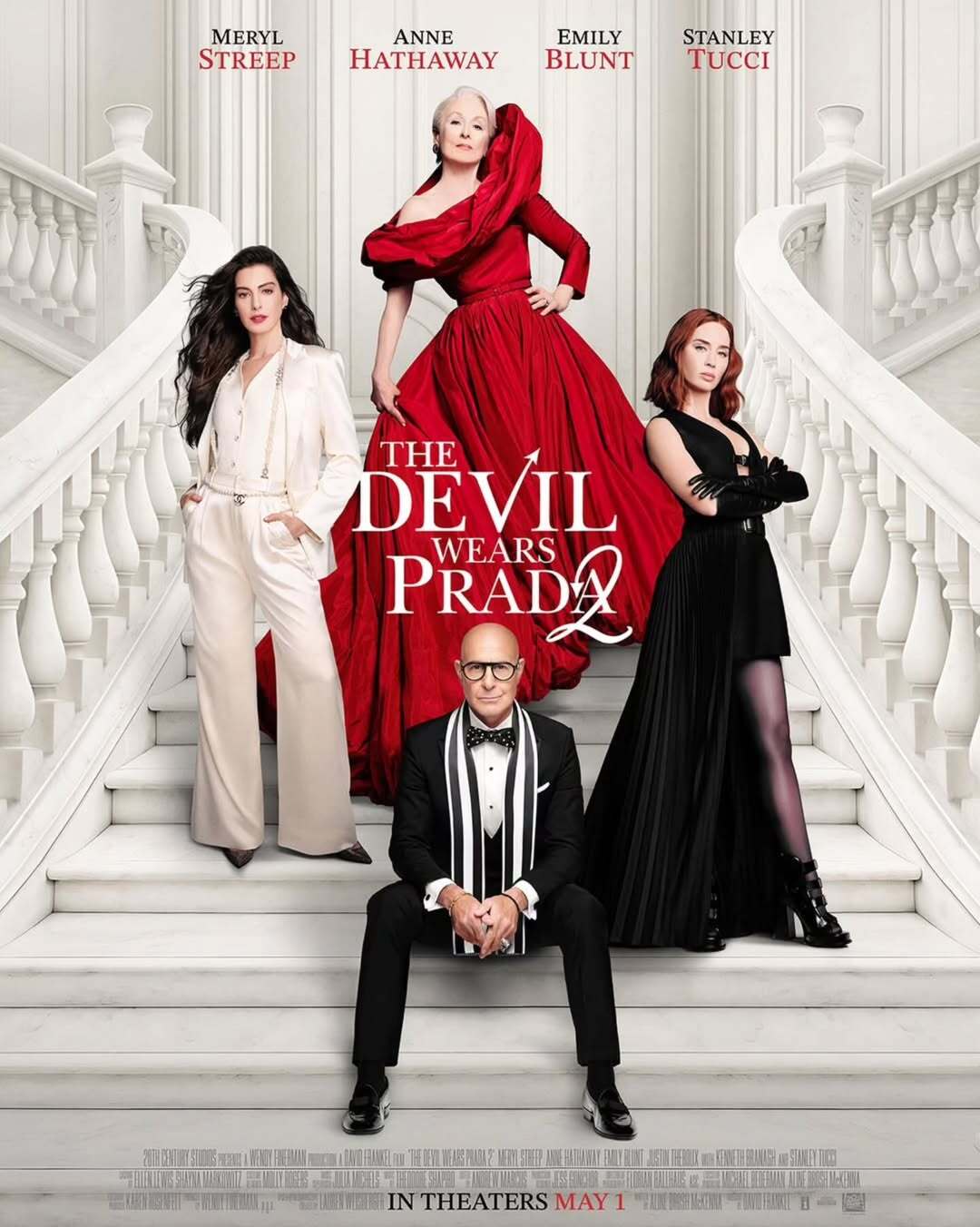
The biggest issue is surprisingly Miranda Priestly herself. Meryl Streep still delivers the role with presence, but the writing softens Miranda in a way that feels inconsistent with the character audiences knew. Growth makes sense. Age changes people. But Miranda was never defined by cruelty alone — she was defined by precision, control, and emotional distance.
Here, some of that sharpness disappears.
The newer version of Miranda feels more openly humane, but the transition is not always earned narratively. Instead of evolving naturally, the character occasionally feels diluted. The intimidation factor that once defined every room she entered is noticeably reduced.
What the film does get right, however, is the fashion.
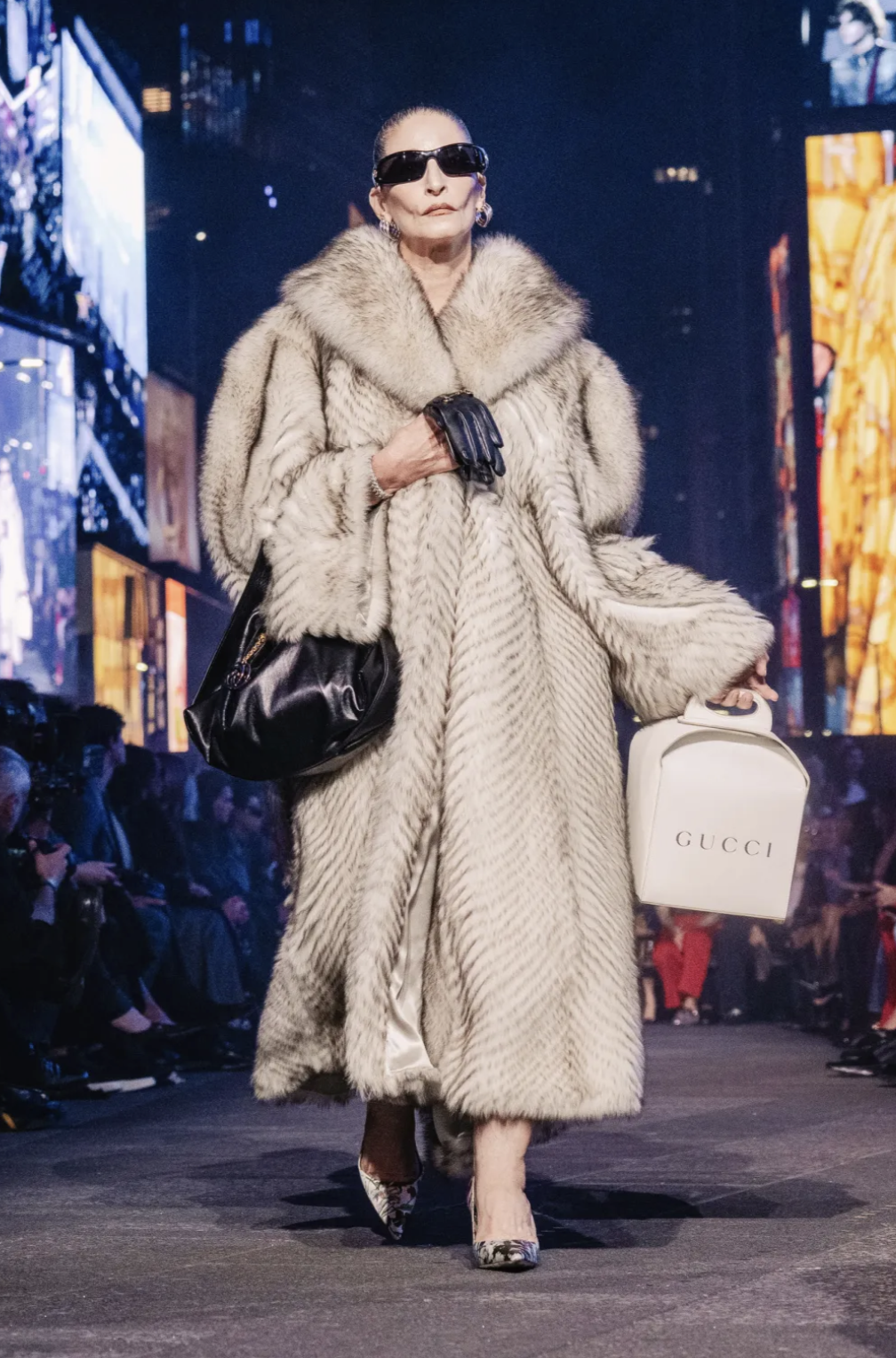
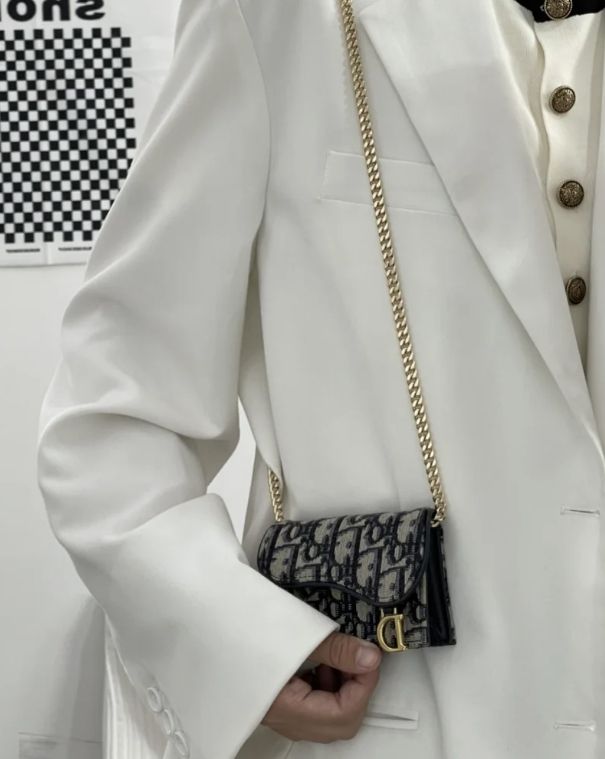
The styling is easily one of the strongest parts of the sequel. The silhouettes remain polished, the wardrobe feels intentional, and the film still understands how clothing functions as character language. Even when the writing weakens, the visual identity remains strong.
The cameos also add genuine energy to the film. Seeing figures like Donatella Versace, Marc Jacobs, Domenico Dolce, Law Roach, Amelia Dimoldenberg, Winnie Harlow, and Heidi Klum appear throughout the film reinforces its connection to modern fashion culture. The appearances never fully distract from the story, but they help build the world around it.
One of the more disappointing decisions, though, involves Emily.
Emily Charlton was always ambitious, obsessive, and completely committed to succeeding in that environment. Seeing her future scaled down after everything she endured in the original film feels oddly unfair to the character. The sequel seems to forget how much Emily sacrificed just to survive that world.
The emotional payoff comes later with Nigel.
After years of being overlooked, manipulated, and passed over, Nigel Kipling finally receives recognition closer to what he deserved all along — helped quietly by Andy. It becomes one of the few moments in the sequel that feels genuinely satisfying rather than simply nostalgic.
And maybe that is the central issue with the film.
The original never tried to comfort its audience. The sequel often does.
Still, even with its flaws, there is something enjoyable about returning to that world again — the fashion closets, the impossible standards, the power dynamics hidden beneath designer clothing.
Because even when The Devil Wears Prada 2 loses some of its edge, it still understands one thing:
fashion on screen should feel larger than life.