FASHION | 4 MIN READ
Met Gala 2026
May 5, 2026 | 8:00 PM
The Met Gala has existed for nearly a century, evolving from a formal fundraising dinner into one of fashion’s most closely watched events. What began as a society gathering has gradually transformed into something far more deliberate — a space where clothing is expected to carry meaning.
Each year, the theme sets the direction.
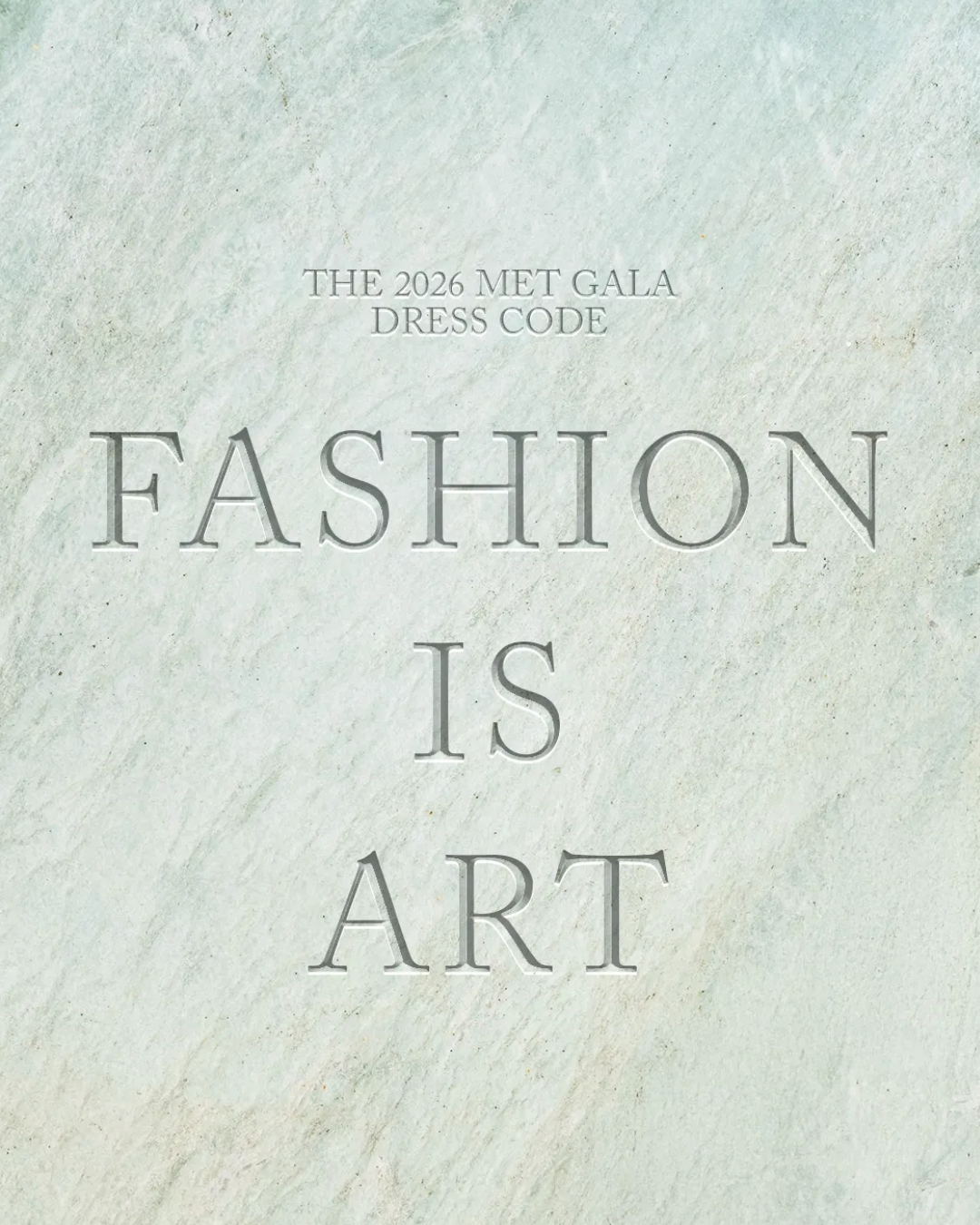
In 2026, that direction was clear: costume as art.
Not costume in the sense of disguise, but as construction — something designed, layered, and intentional. The theme called for more than aesthetic appeal. It required interpretation.
And as always, not everyone responded to it.
Some approached the carpet as they would any other red carpet — refined, polished, but ultimately disconnected from the concept. Others understood what was being asked and moved toward it fully.
Those were the looks that stood out.
Favourite Looks
Emma Chamberlain
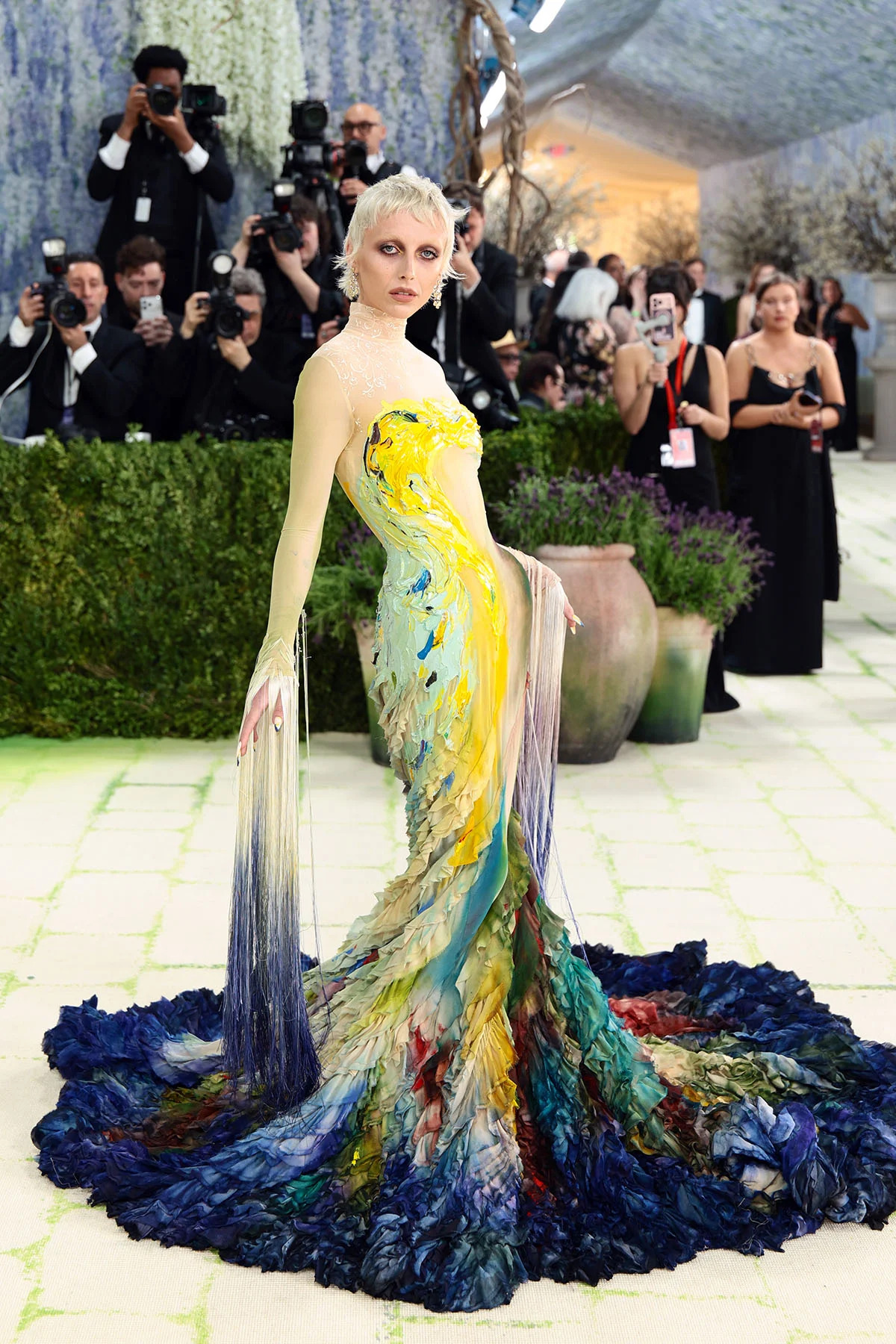
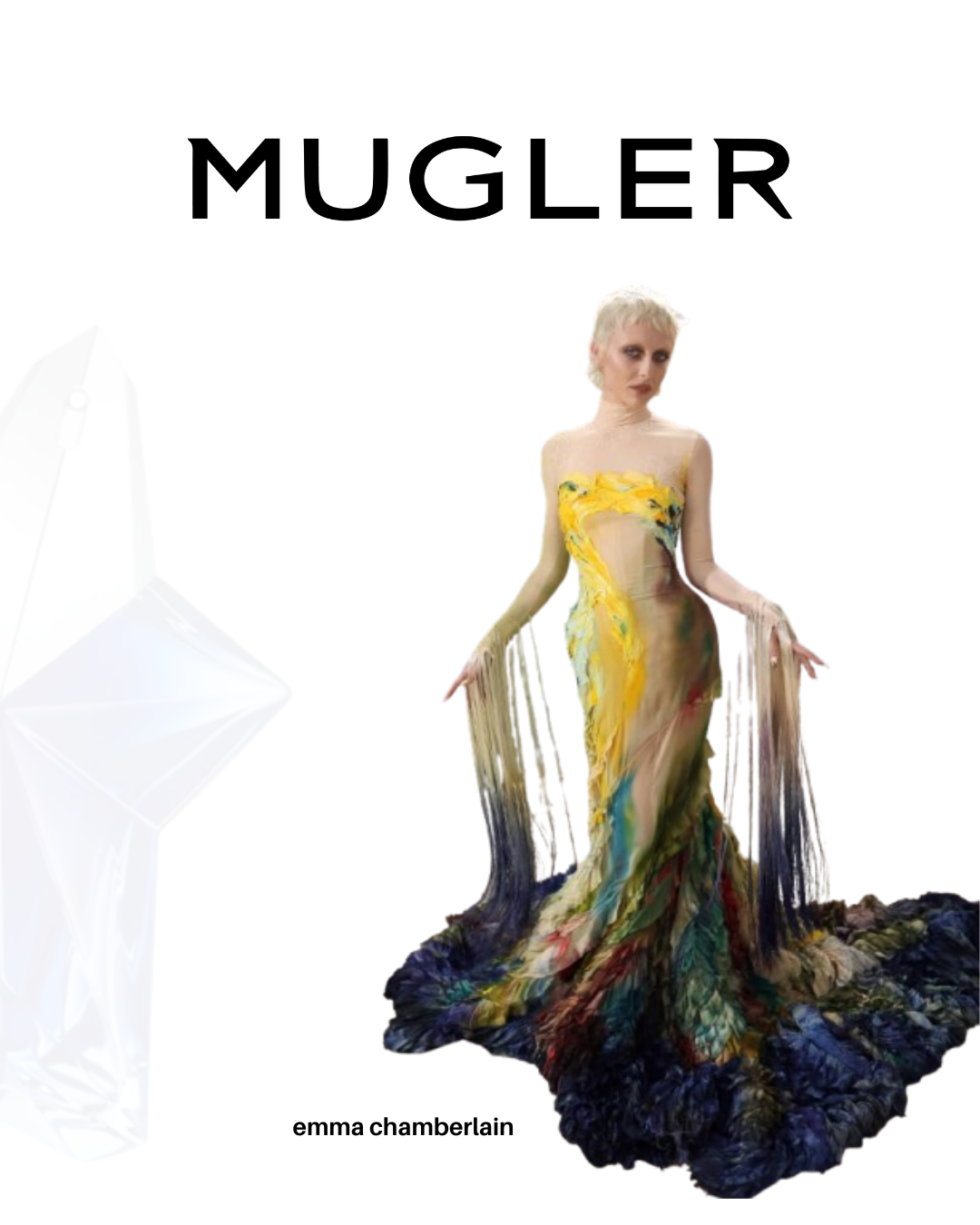
Emma Chamberlain’s interpretation of the theme felt considered from the start. Wearing custom Mugler by Miguel Castro Freitas, the look was built around the idea of fashion as a literal canvas. The collaboration began organically — after meeting during Paris Fashion Week — and quickly evolved into something aligned with the theme.
Rather than referencing the costume superficially, the look drew directly from art itself. Inspired by her upbringing in a creative household, Chamberlain leaned into painting as both concept and texture. The gown carried a soft, almost watercolor-like surface, layered with a darker, more controlled undertone — balancing delicacy with something slightly more unsettling.
Hand-painted by artist Anna Deller-Yee, the piece transformed the body into part of the artwork rather than just a base for it. The process itself reinforced the idea: hours of painting, multiple layers of colour, and a finish that felt constructed rather than styled.
What made the look work was its clarity. It did not reference art — it became it.
Chase Infiniti
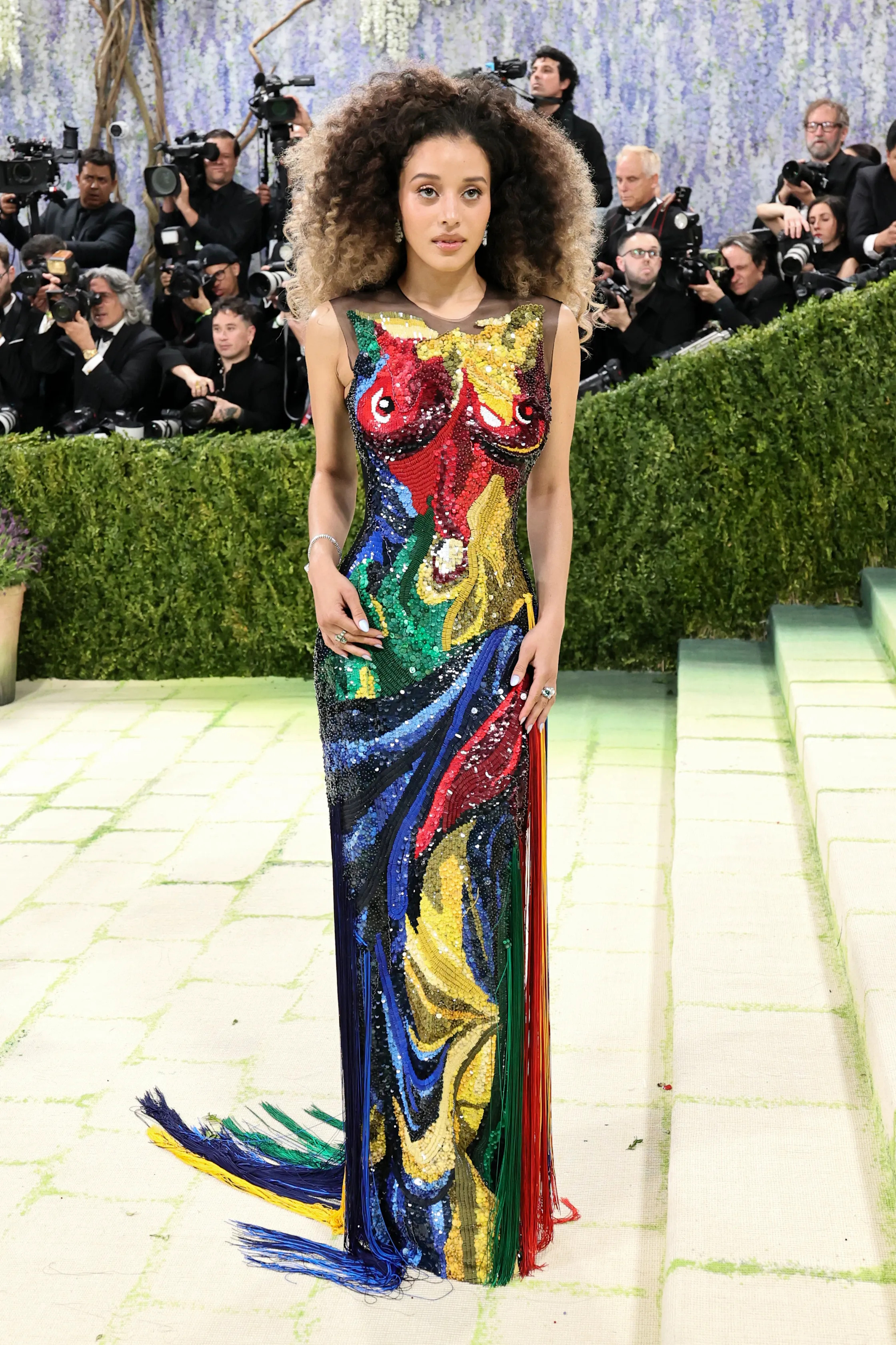
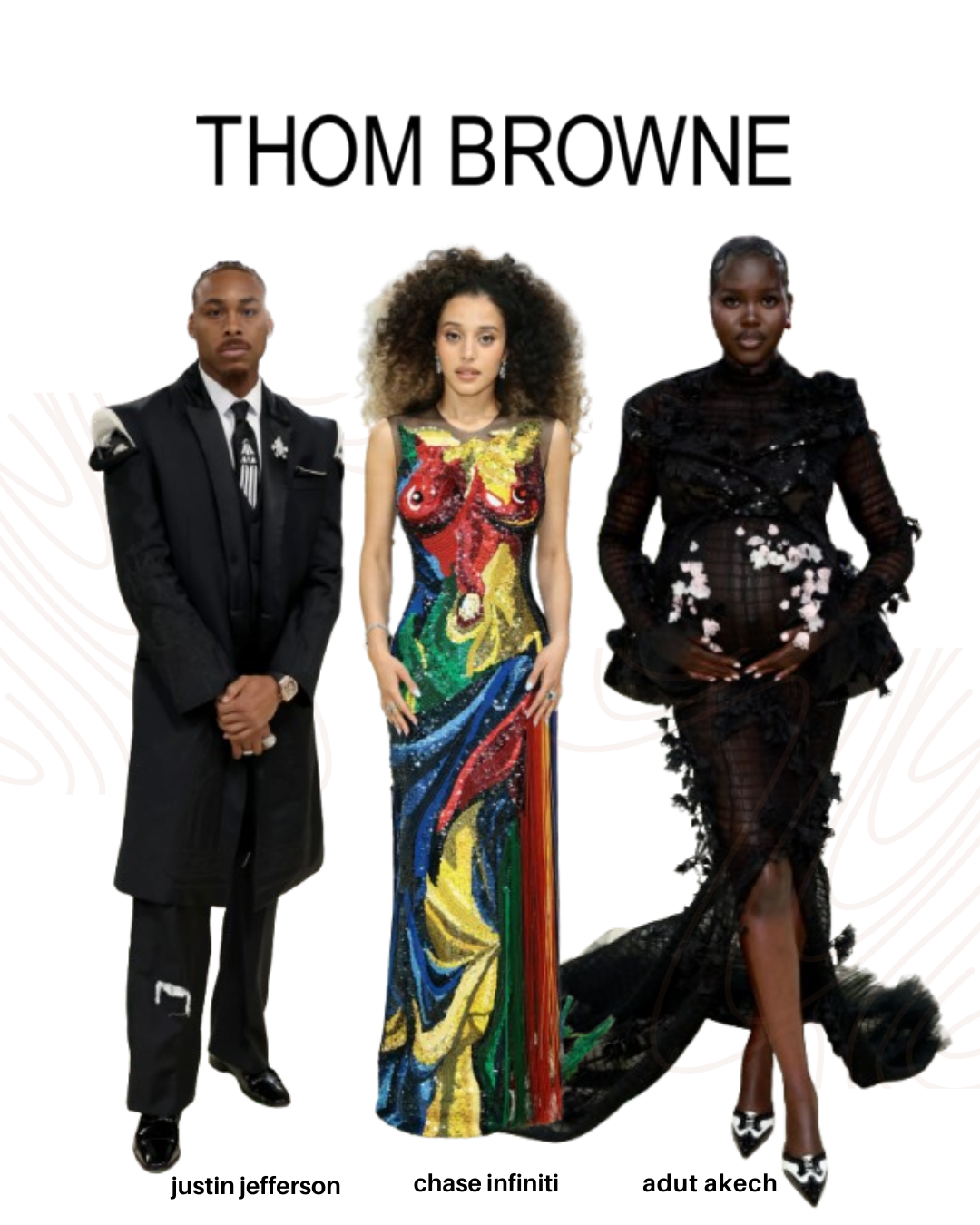
Chase Infiniti’s debut approached the theme with complete clarity. Wearing custom Thom Browne, the look was constructed as a “living painting” — not styled to resemble art, but designed to function as it.
The reference point was classical. The silhouette drew from the Venus de Milo, grounding the look in traditional ideas of the body, while the surface reinterpreted it entirely. Through a trompe-l’oeil effect, the gown suggested the form of the body without revealing it — an abstracted, painterly version that shifted the focus from exposure to representation.
What defined the piece was its construction. Built from over a million sequins, layered to create depth and movement, the surface carried a textured, almost brushstroke-like finish. Silk fringe in hundreds of tonal variations added dimension, allowing the dress to move like an impressionist painting in motion. The use of primary colour further separated it from the rest of the carpet — bold, deliberate, and visually immediate.
The result was not just referential.
It was resolved.
The Rest of the Carpet
Not every look needed to follow the theme directly.
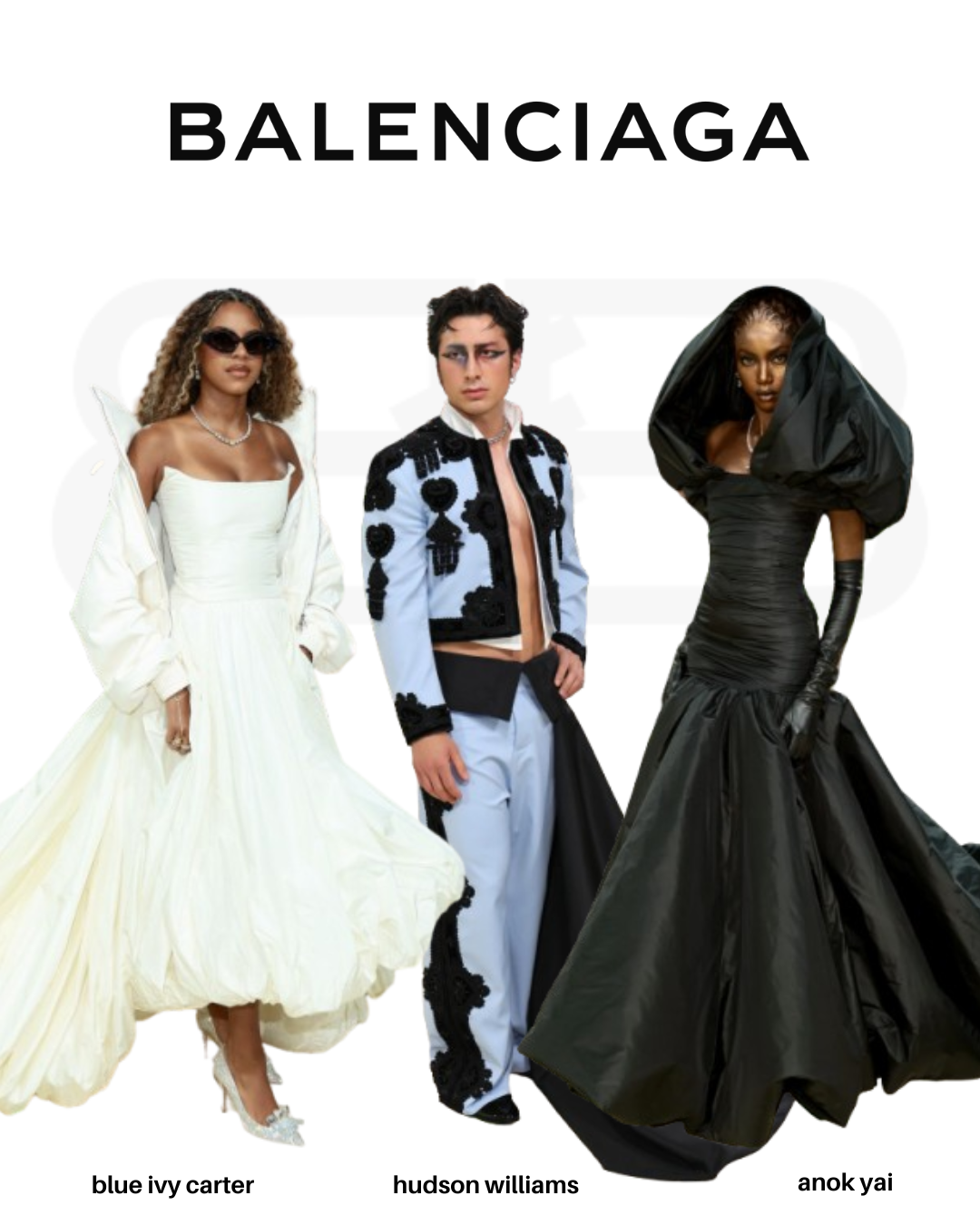
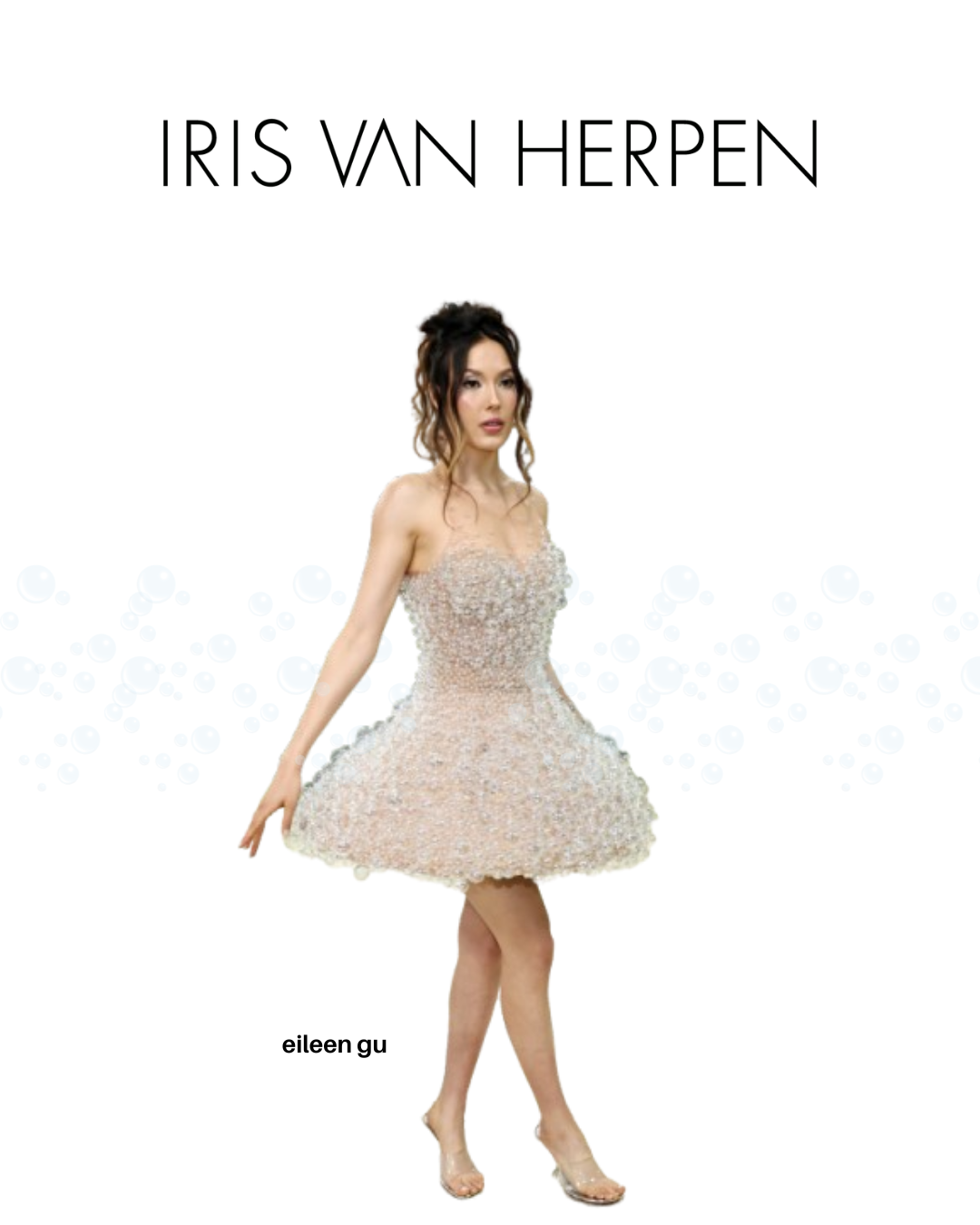
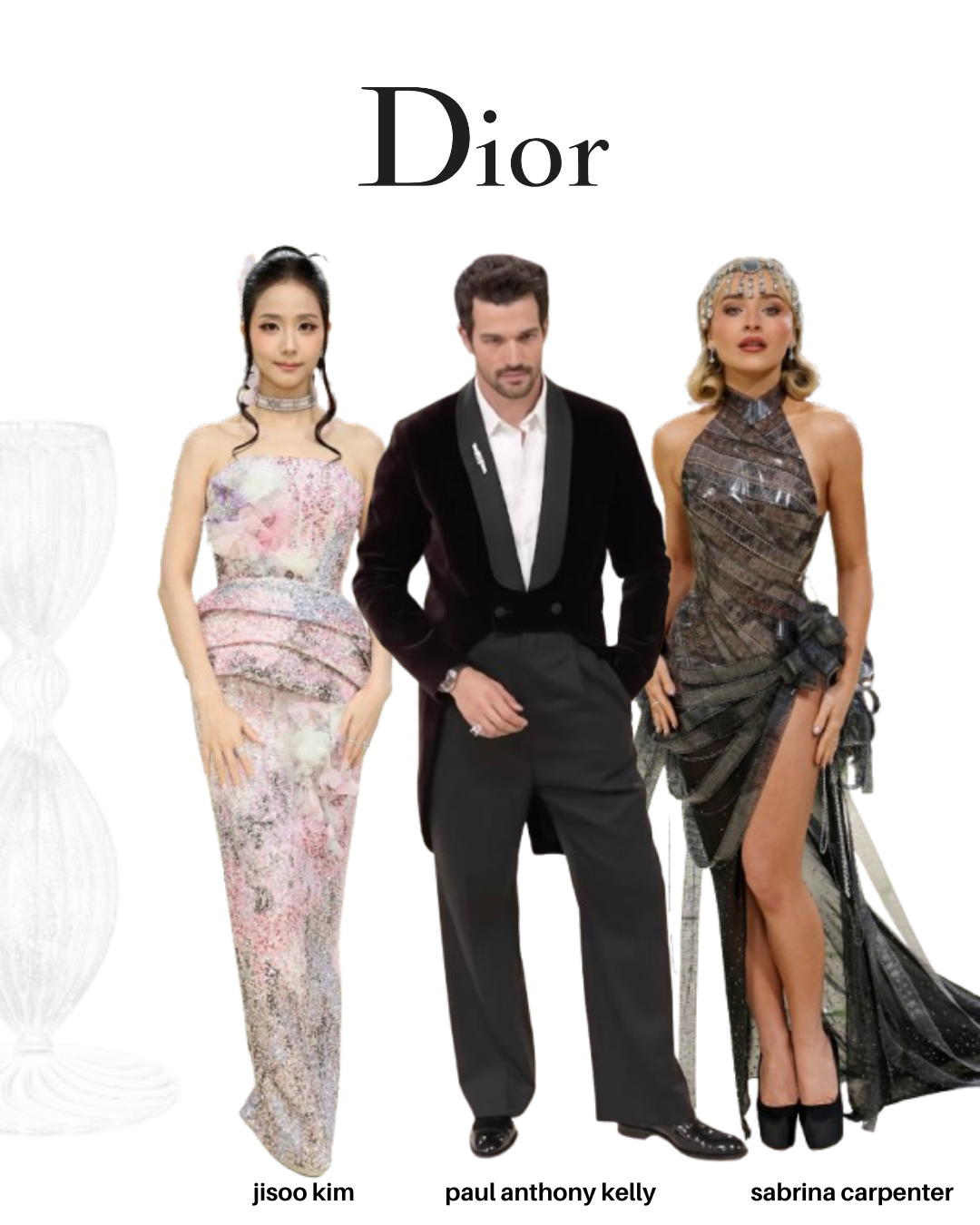
Some remained focused on aesthetic alone — refined, polished, and visually strong, but separate from the idea of costume as art.
Below, a selection of those looks.
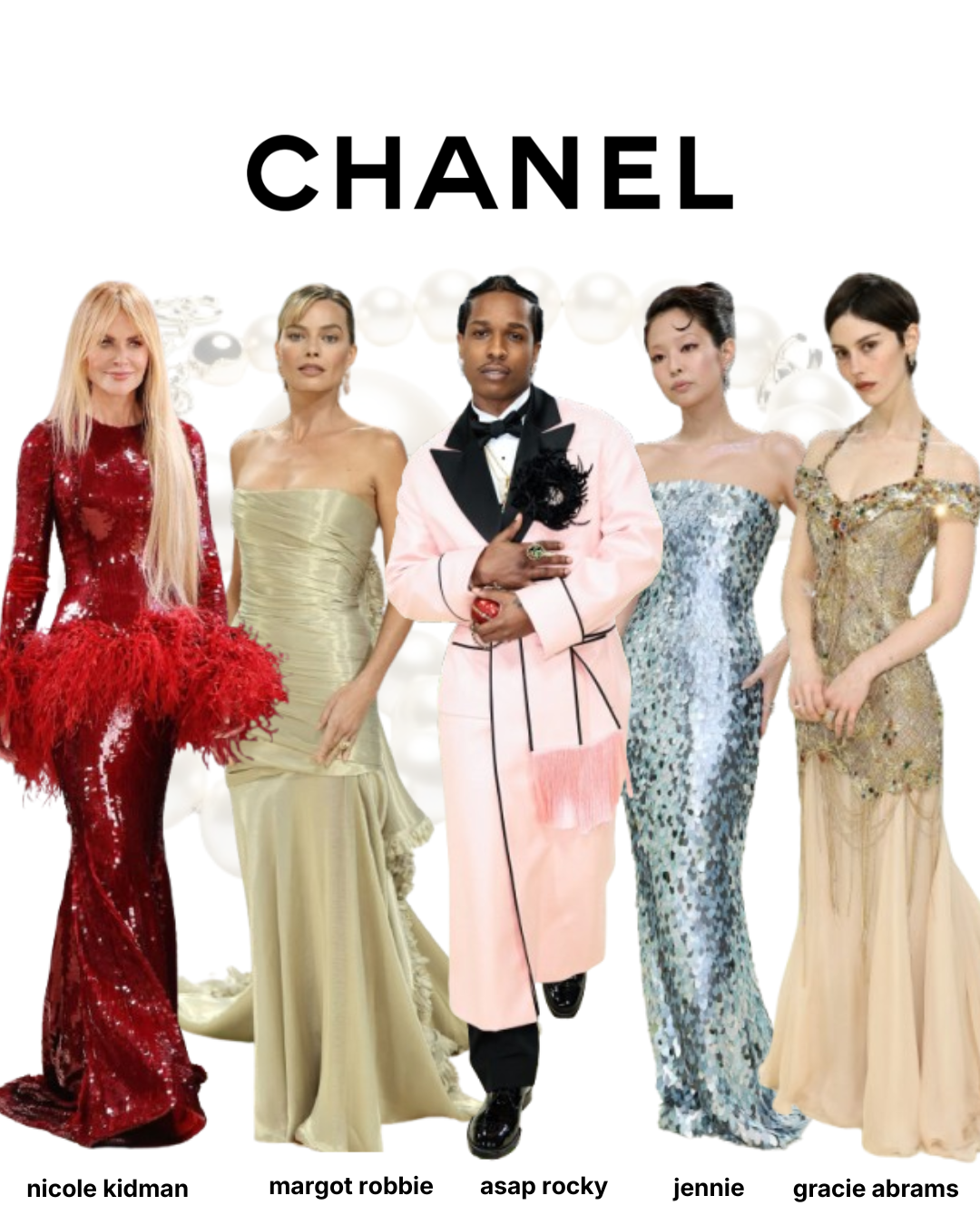
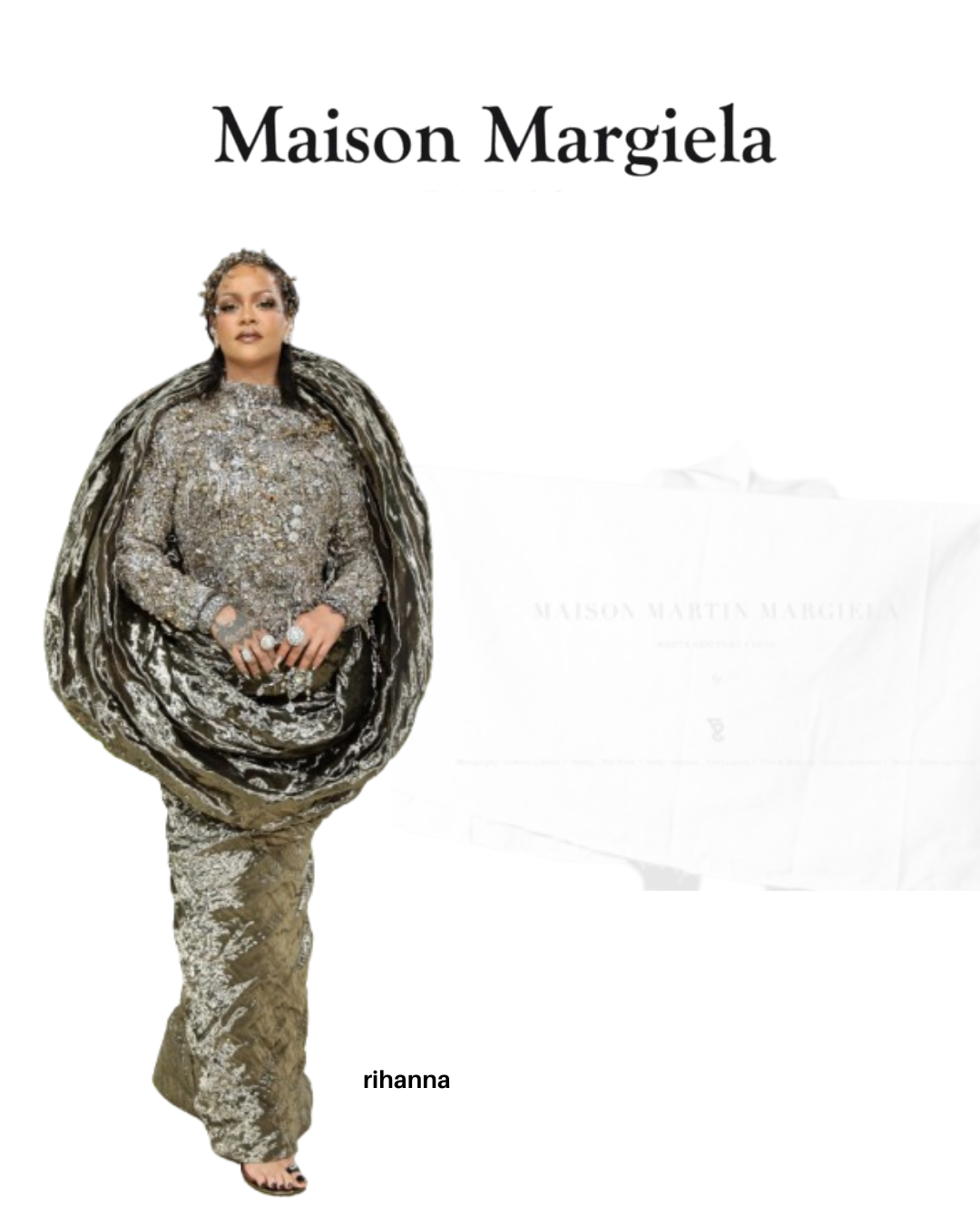
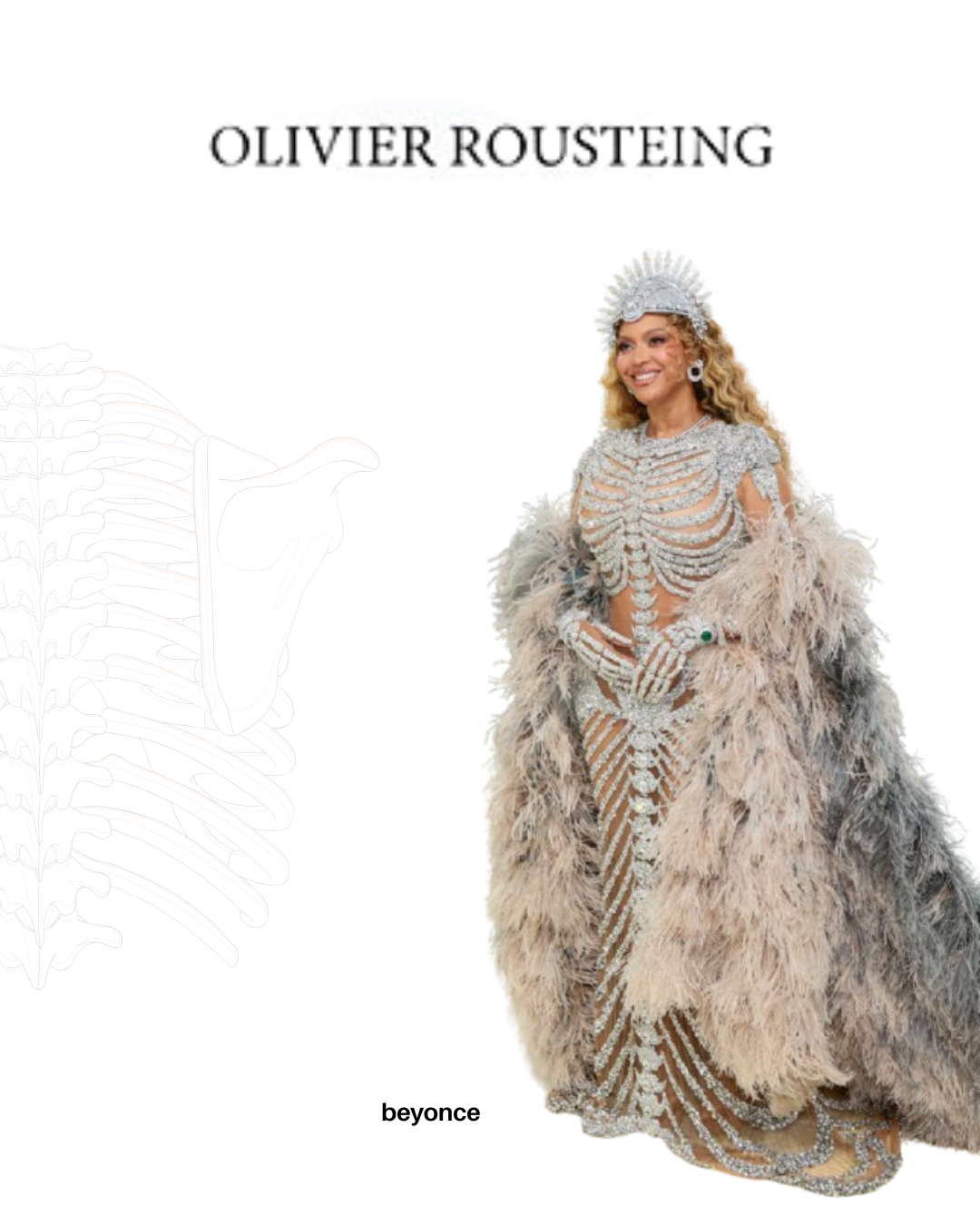
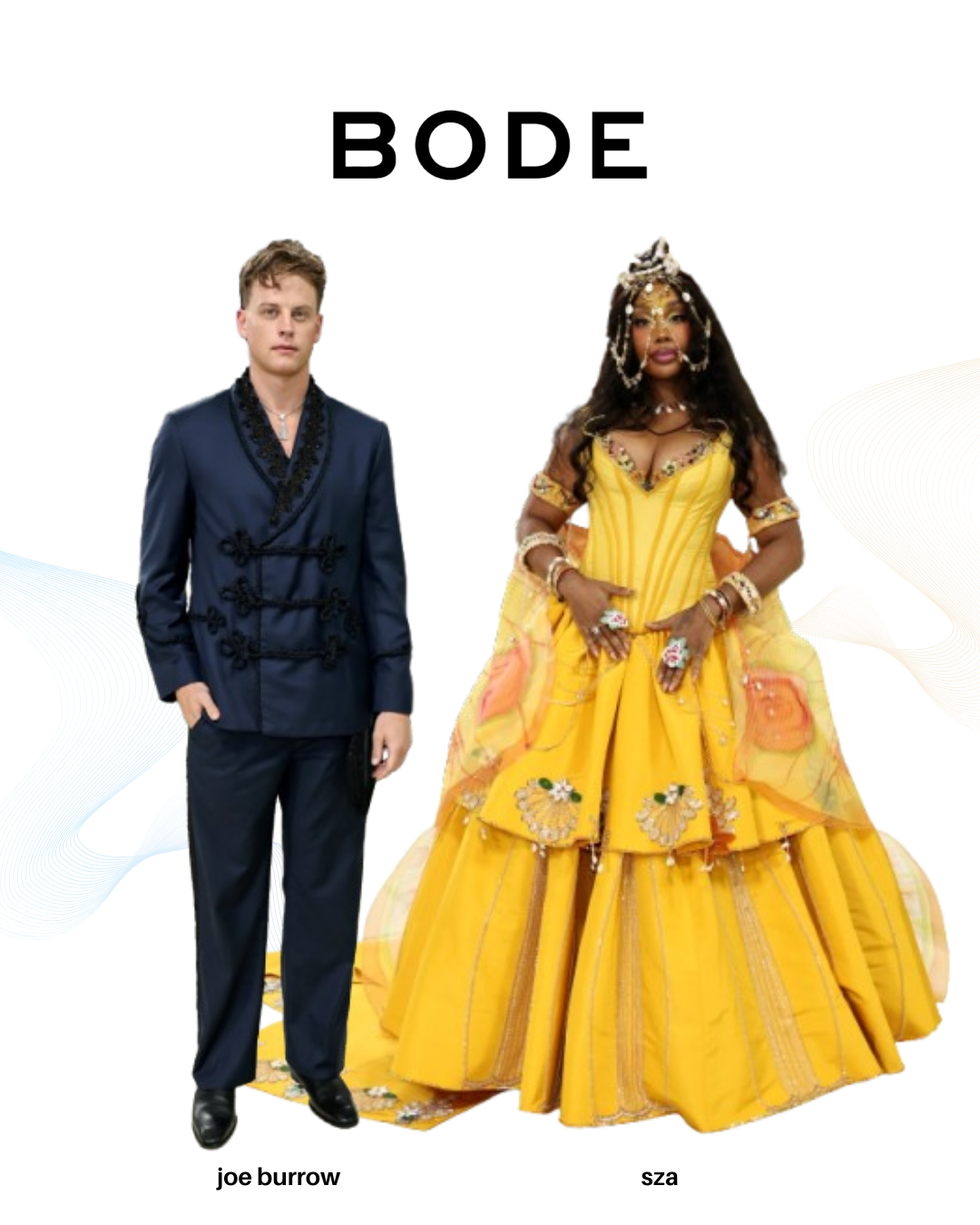
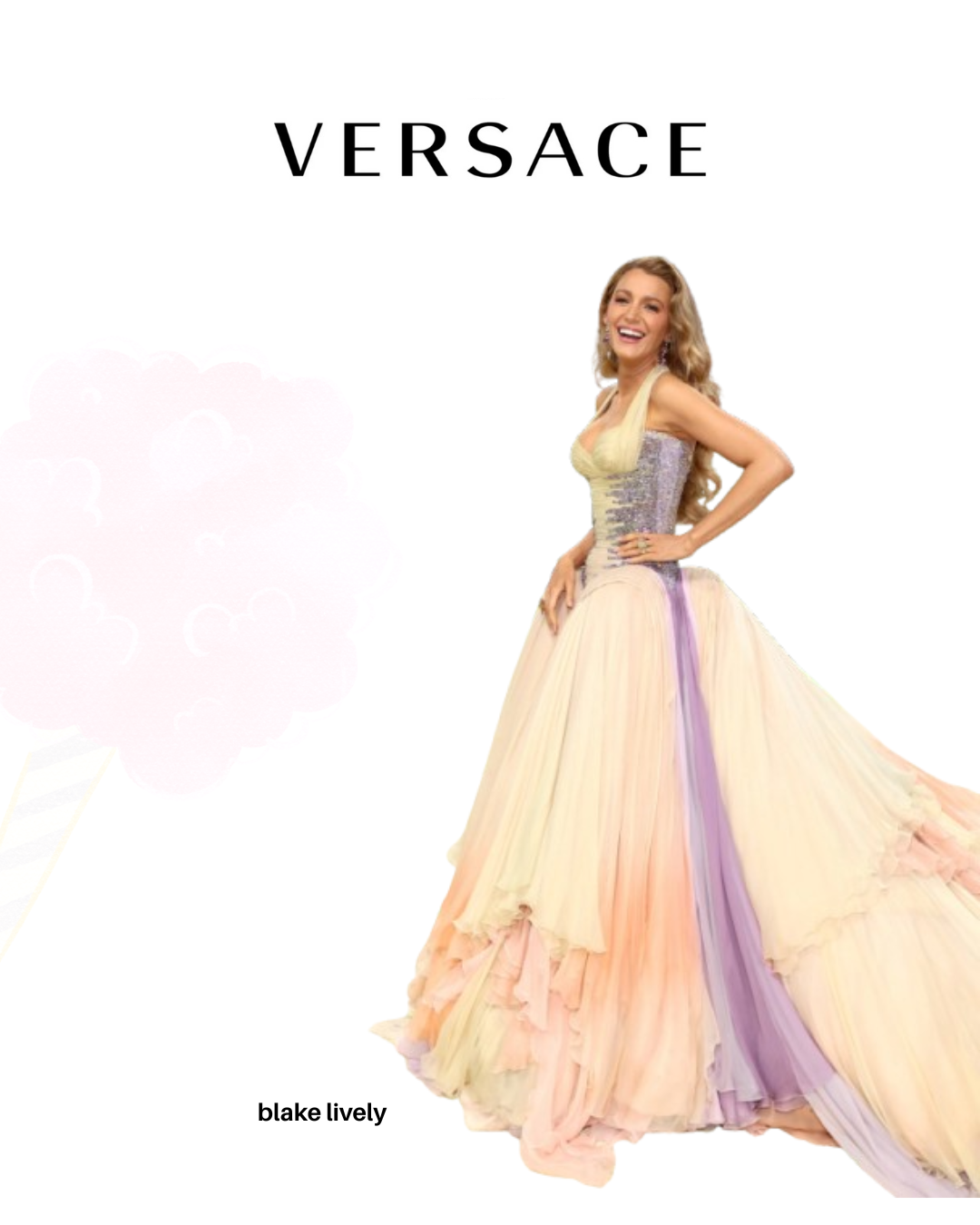
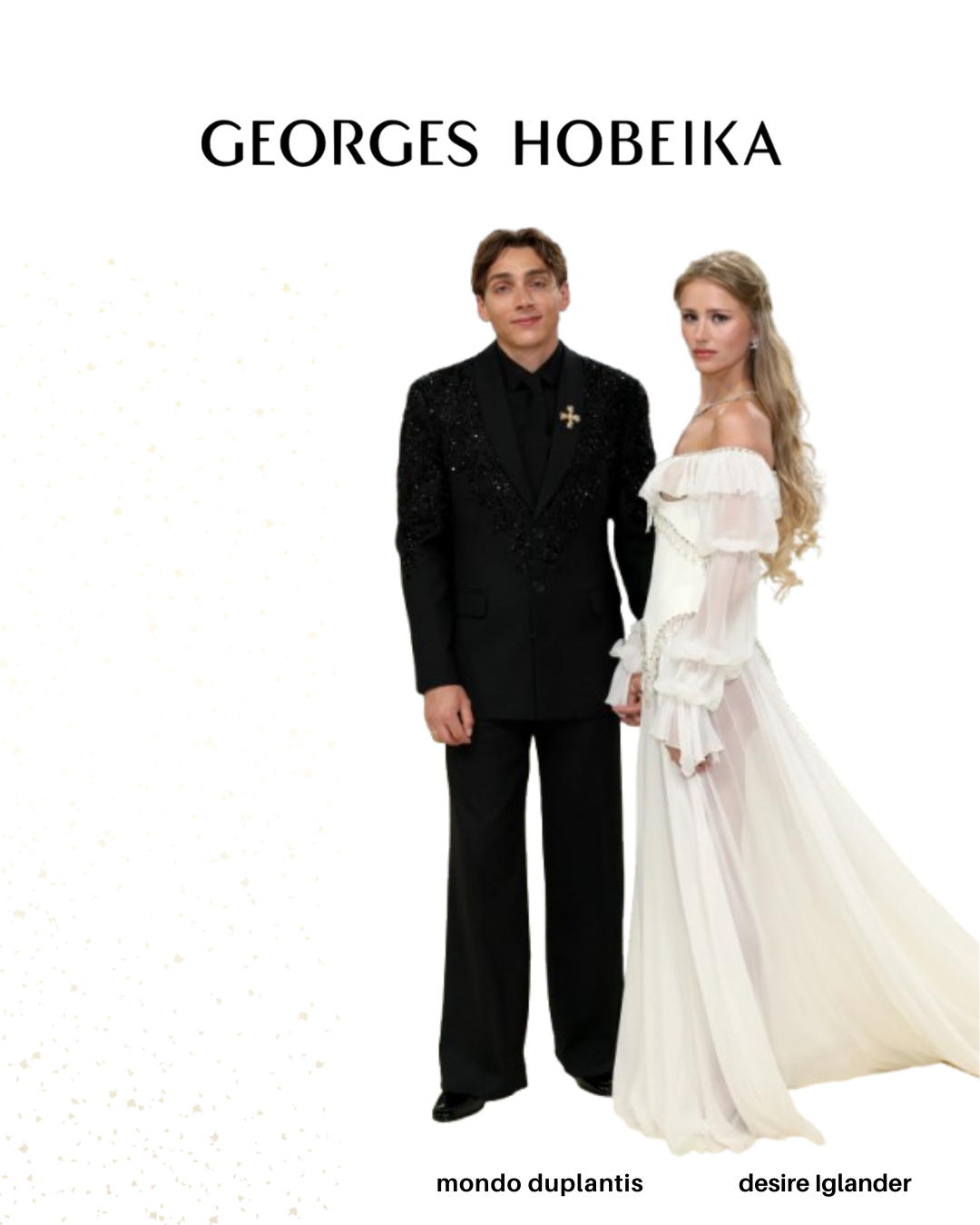
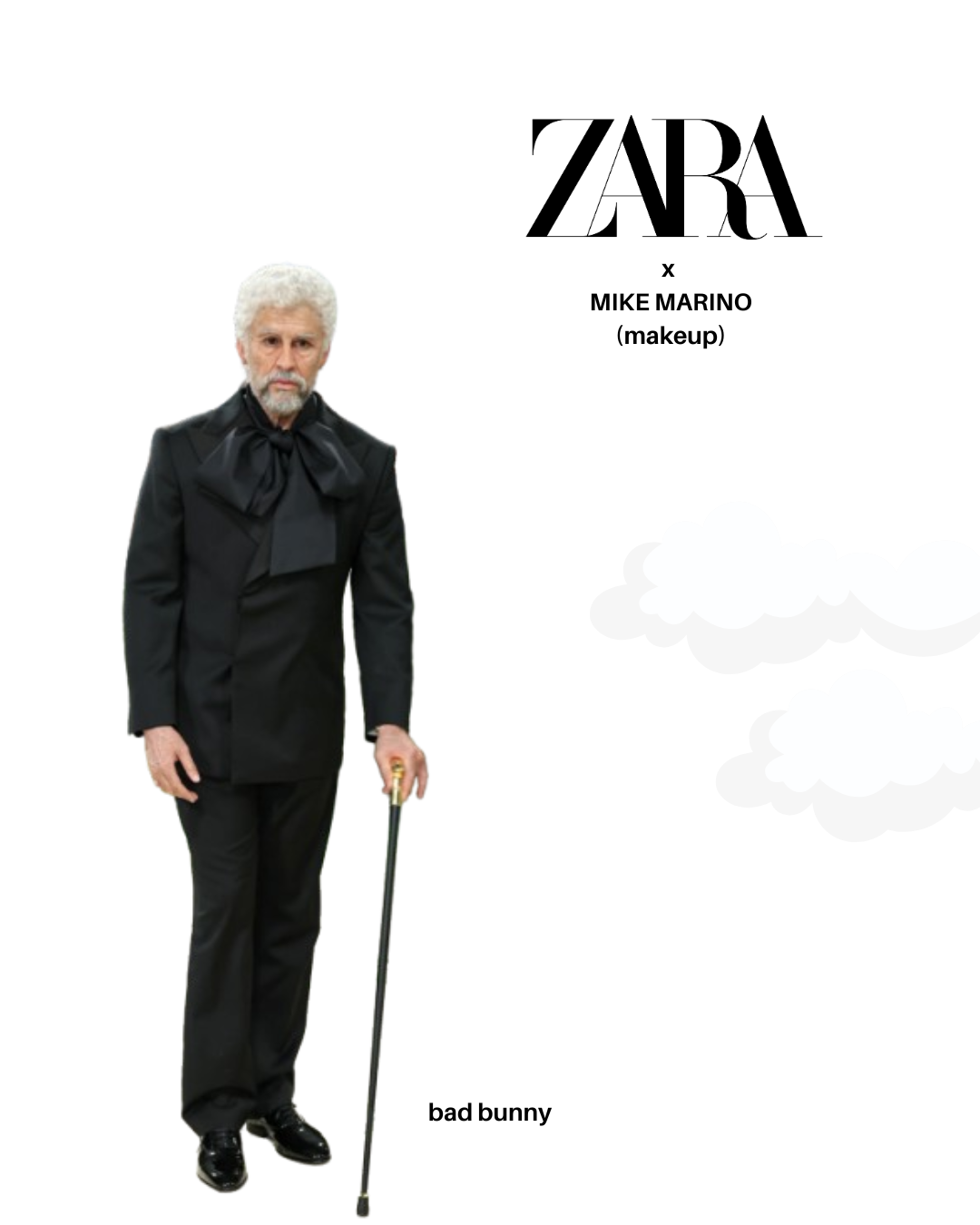
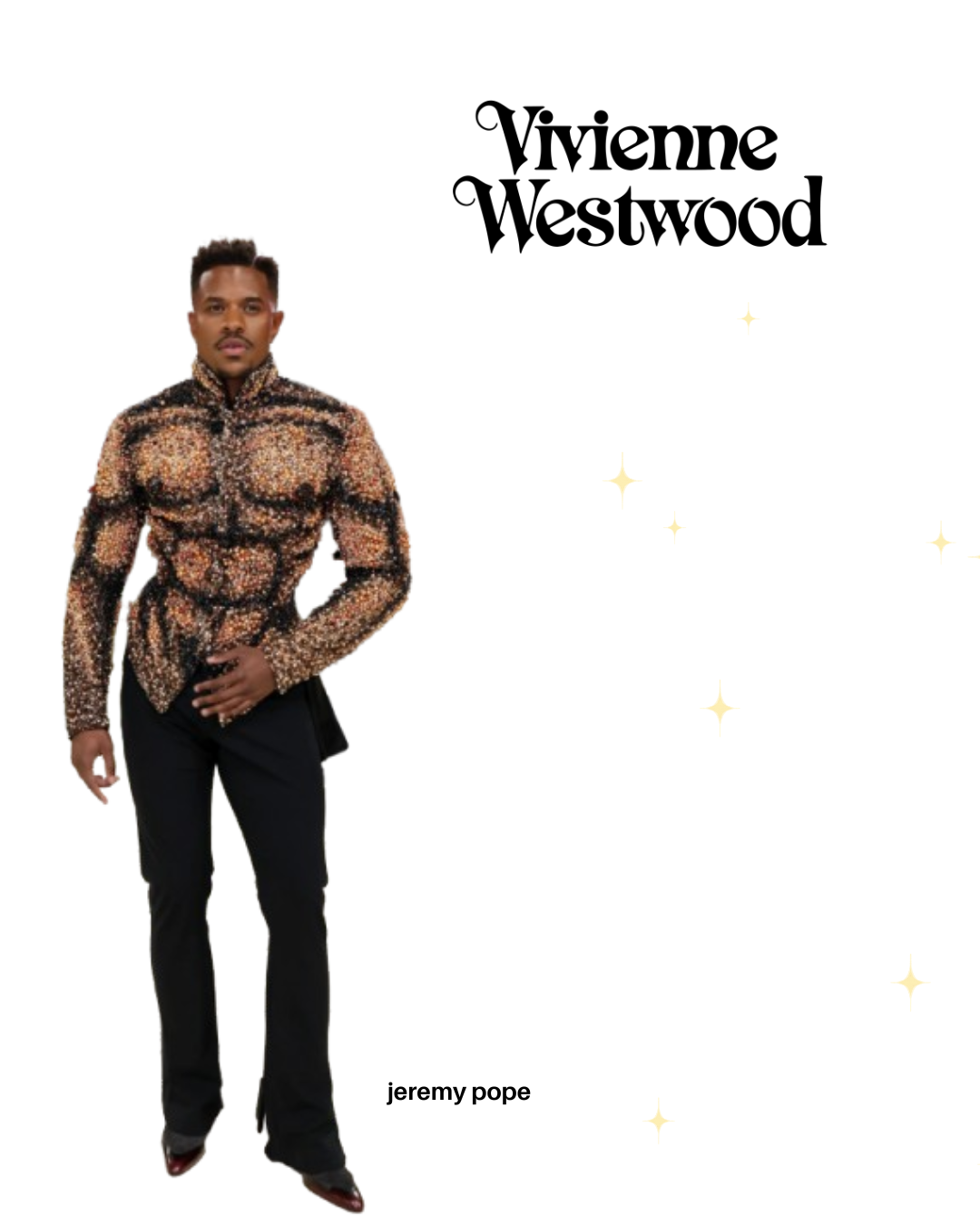
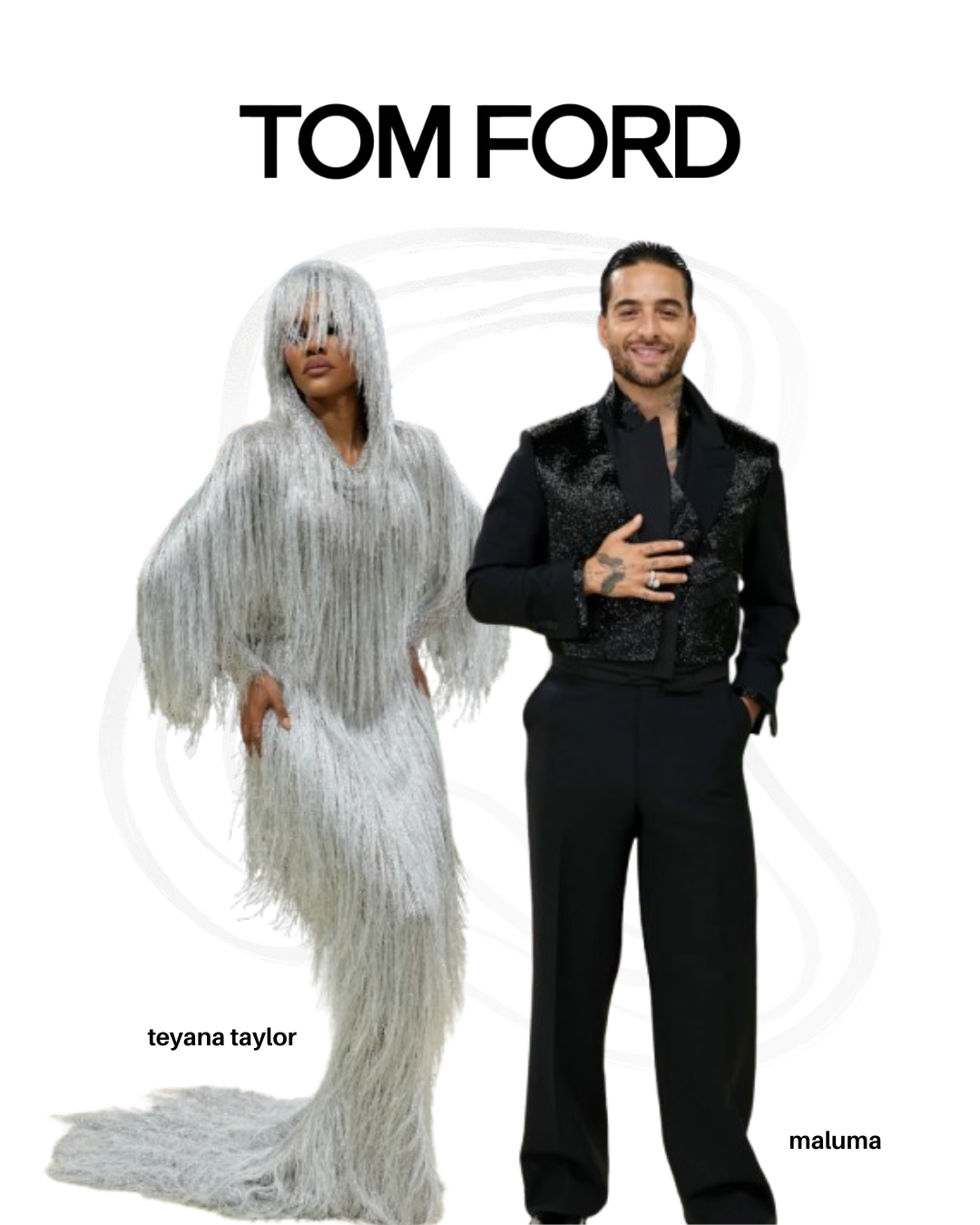
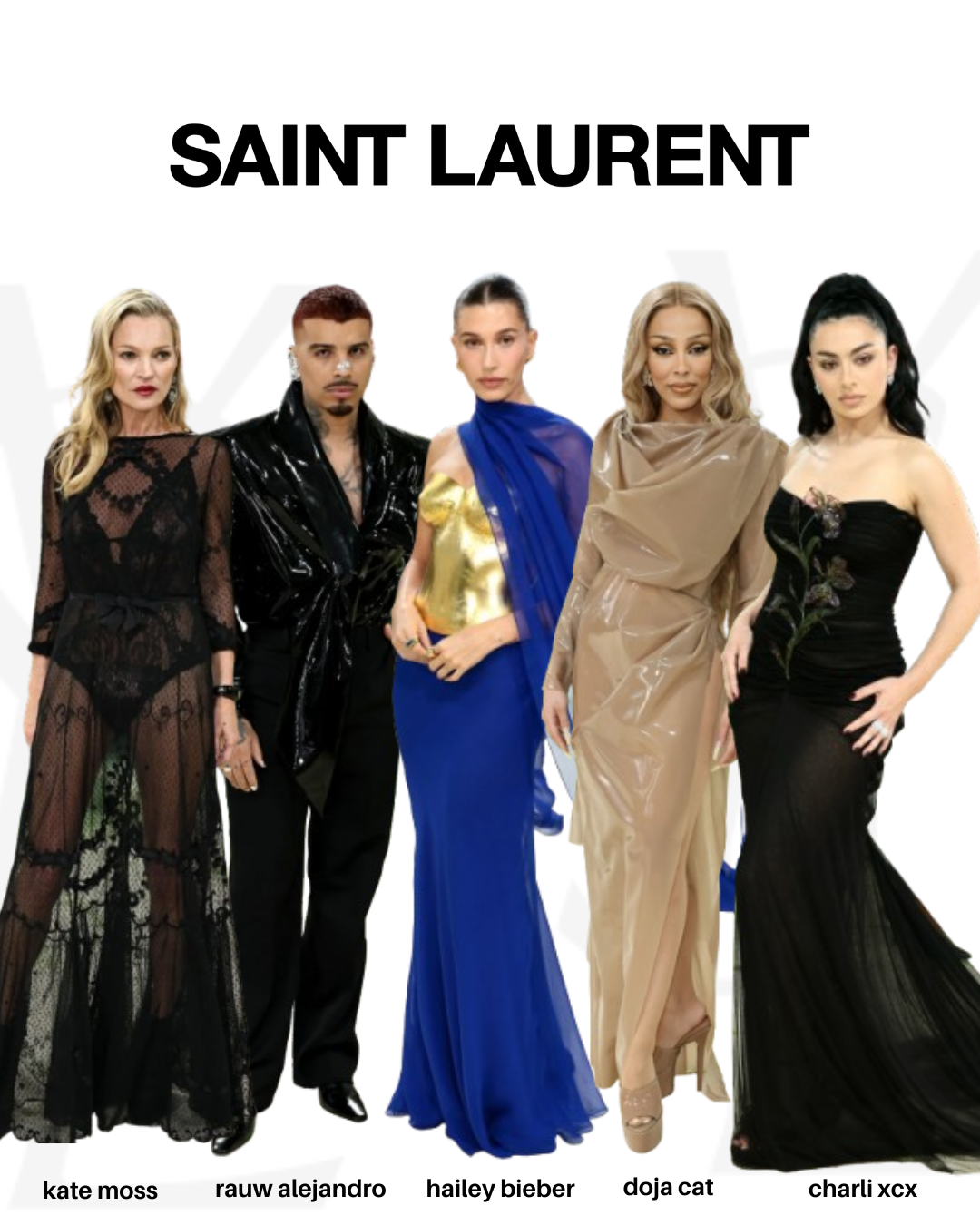
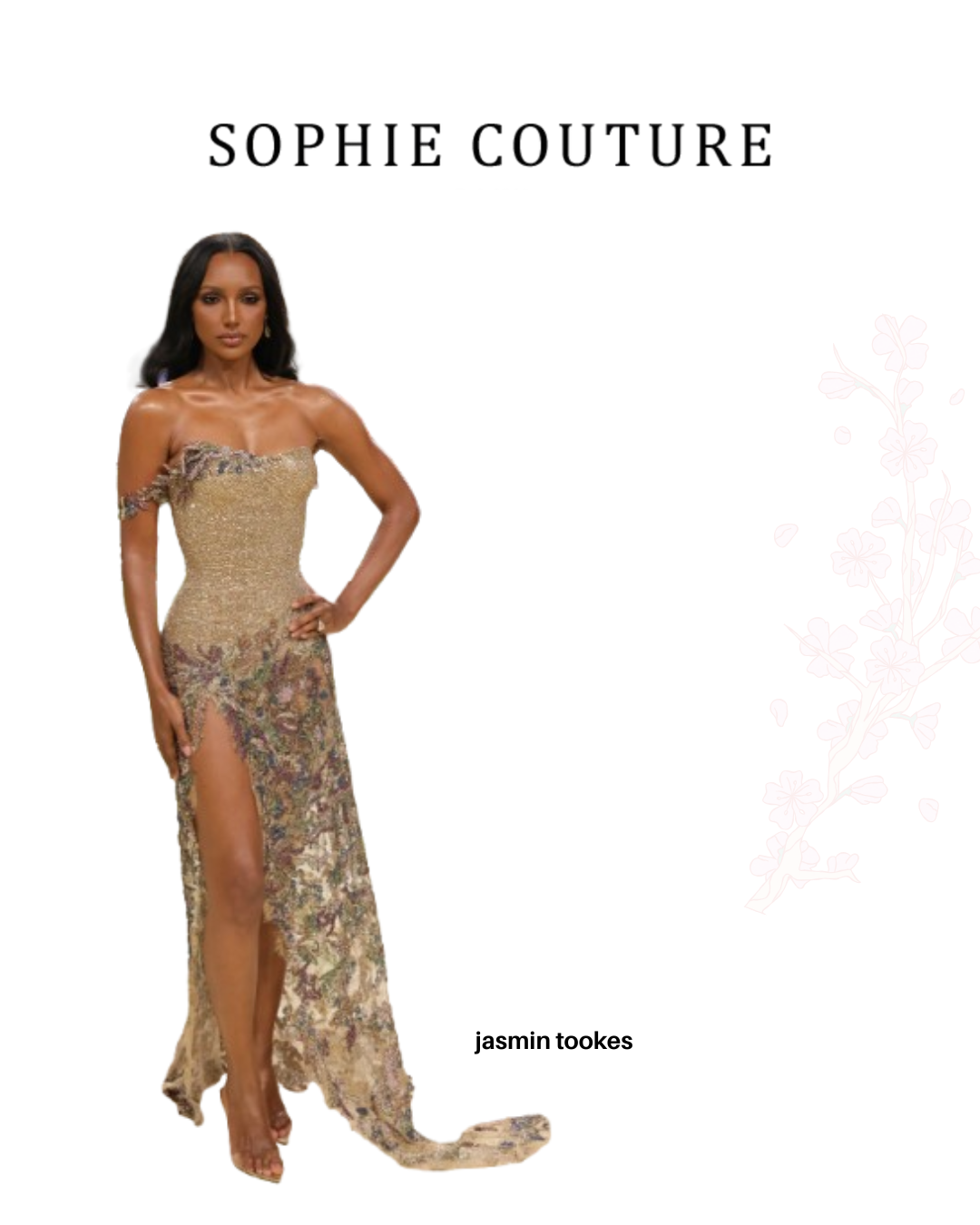
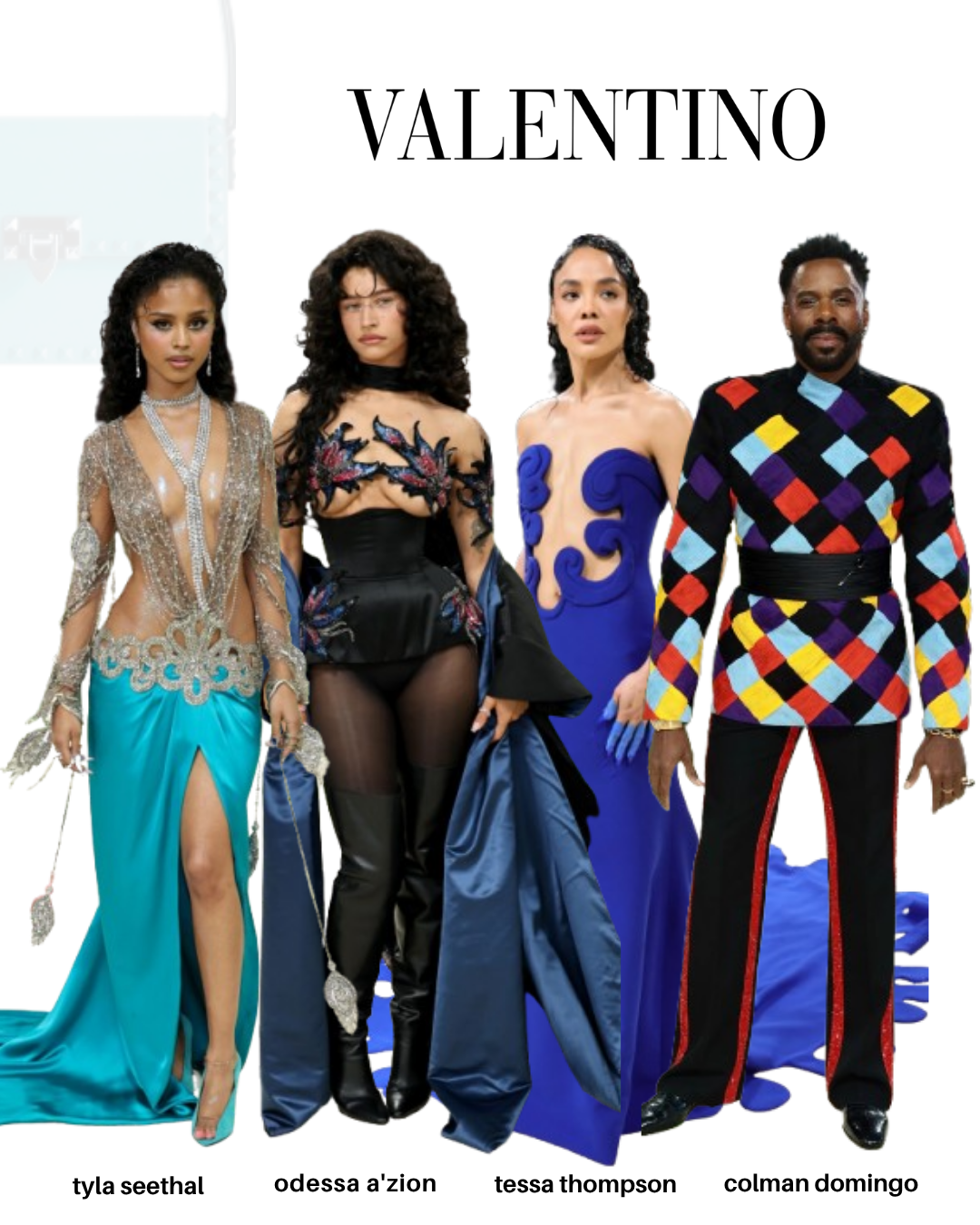
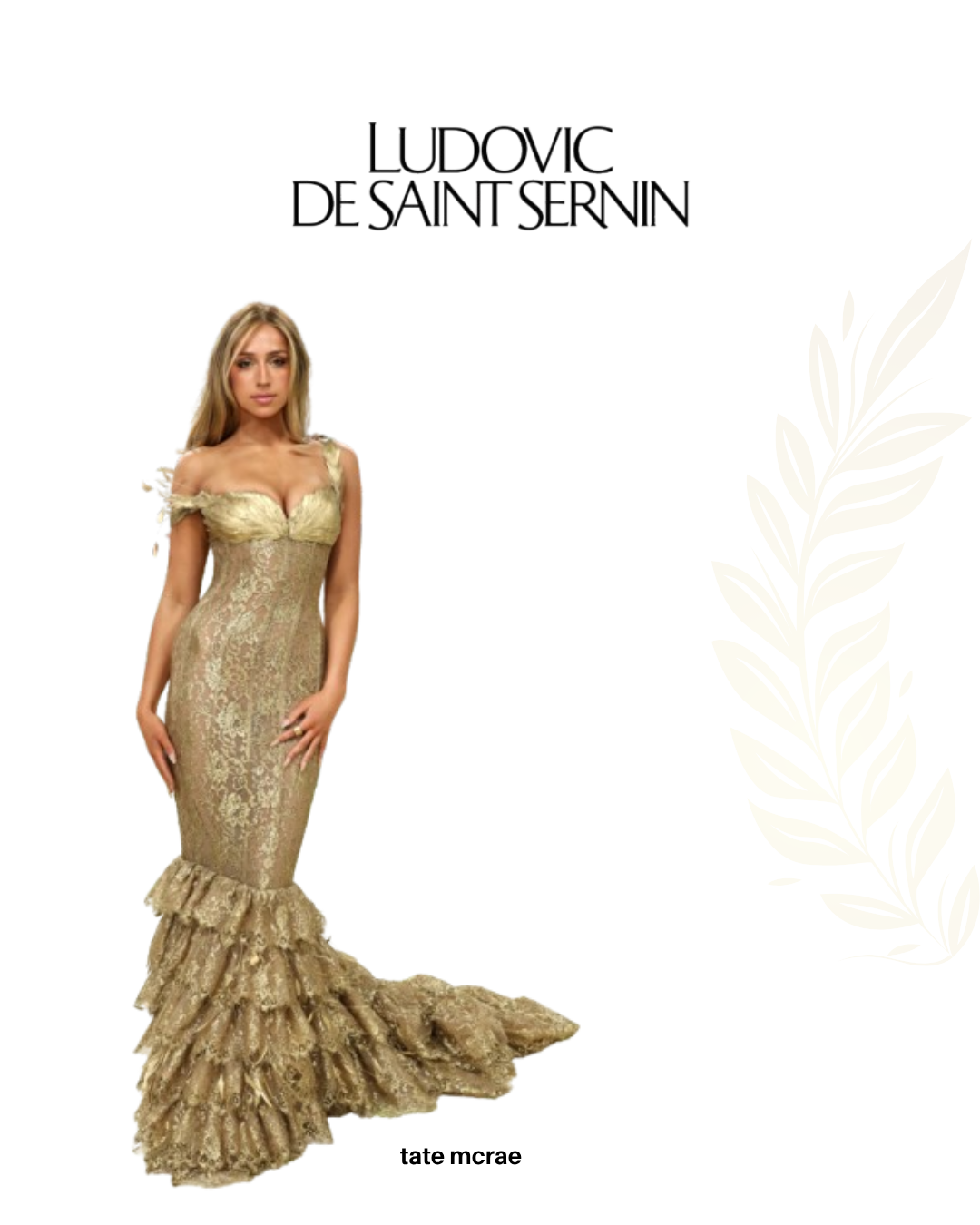
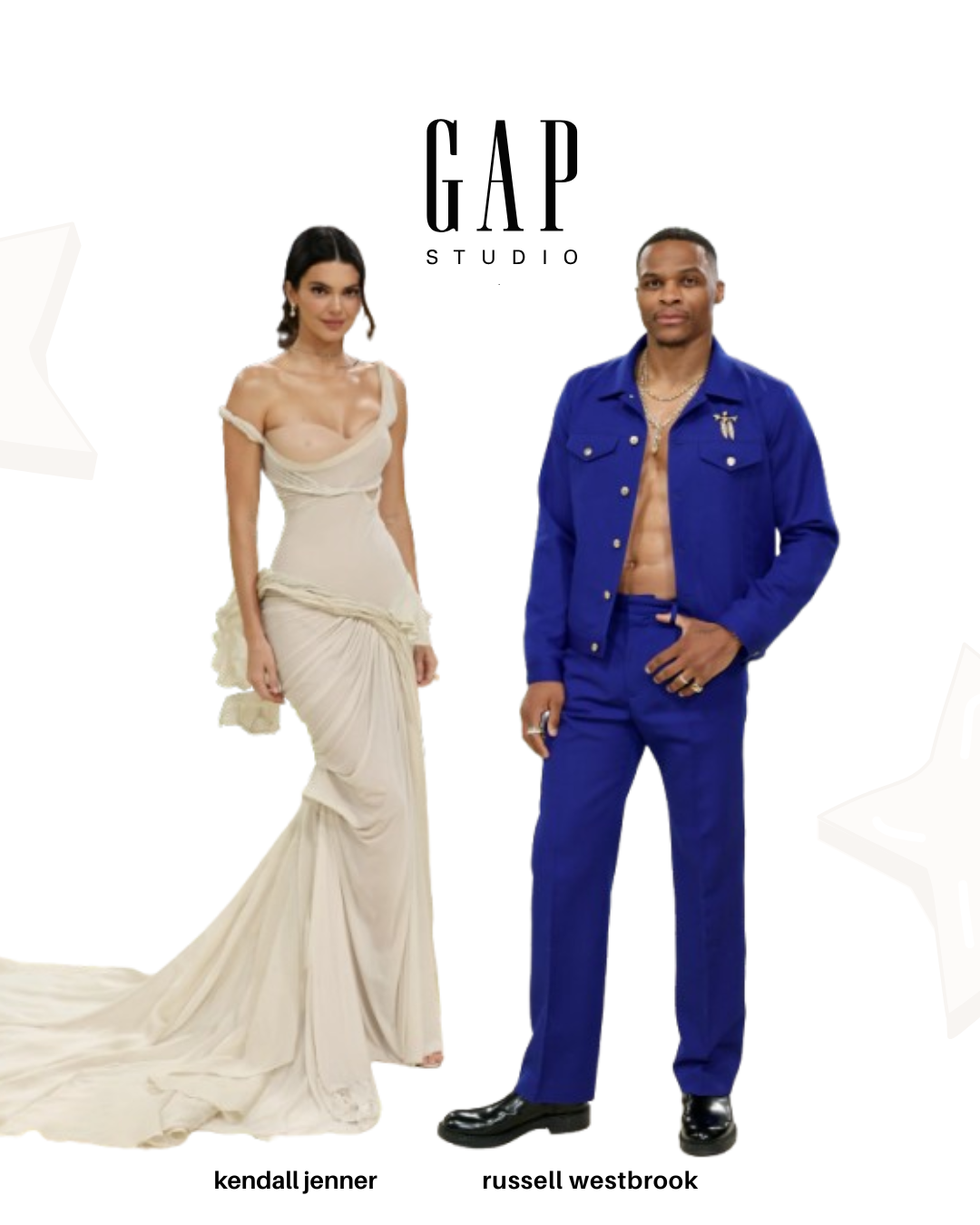
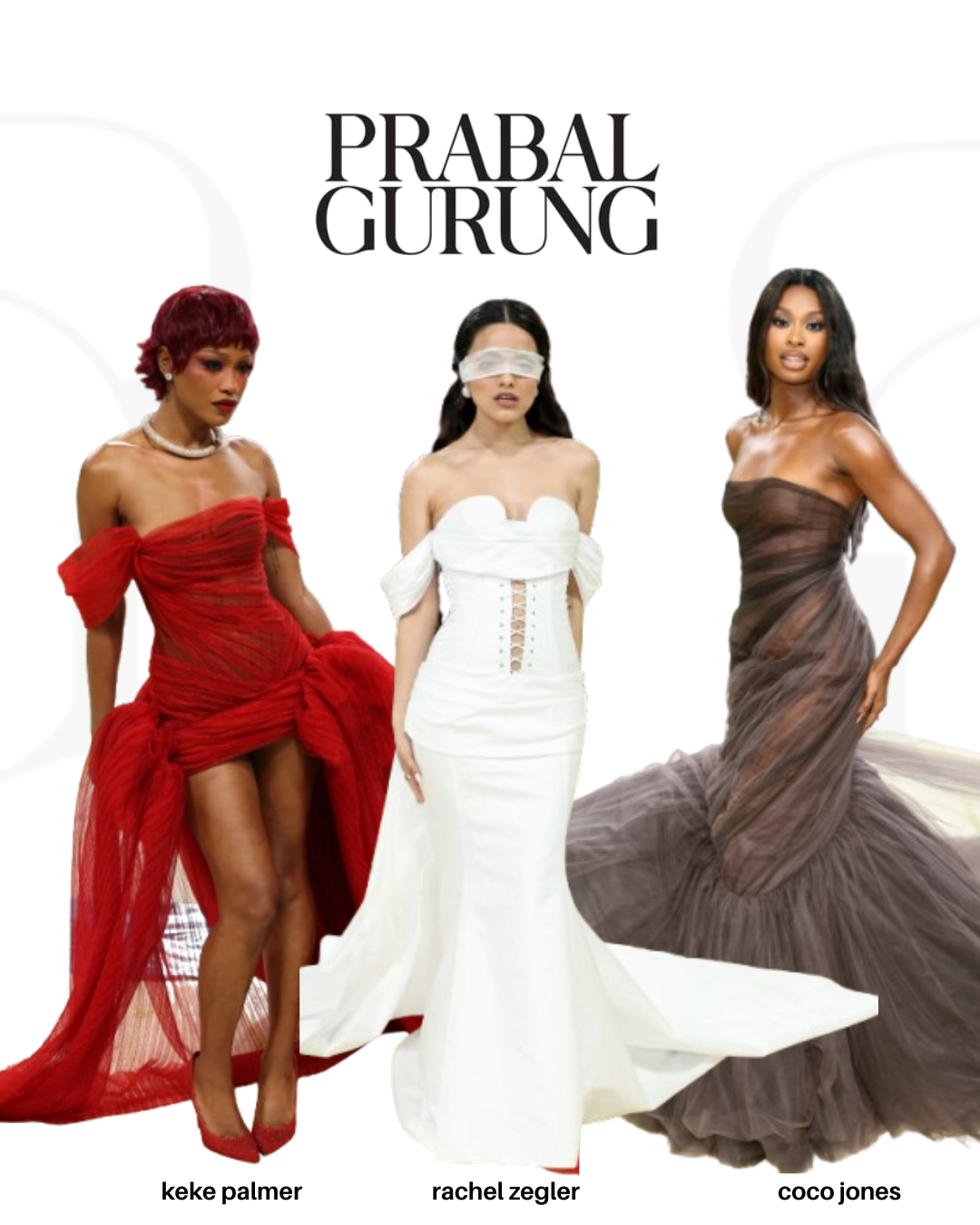
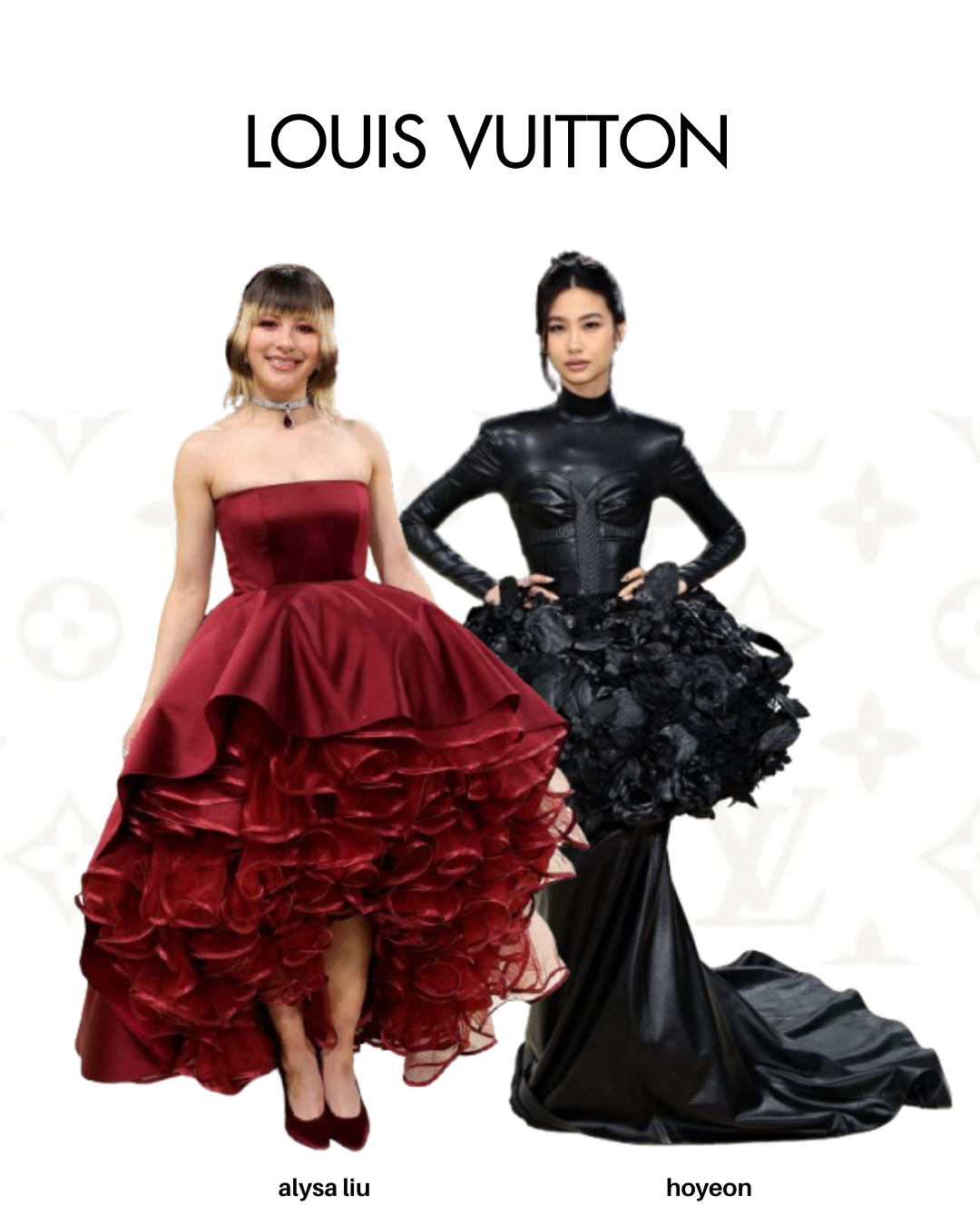
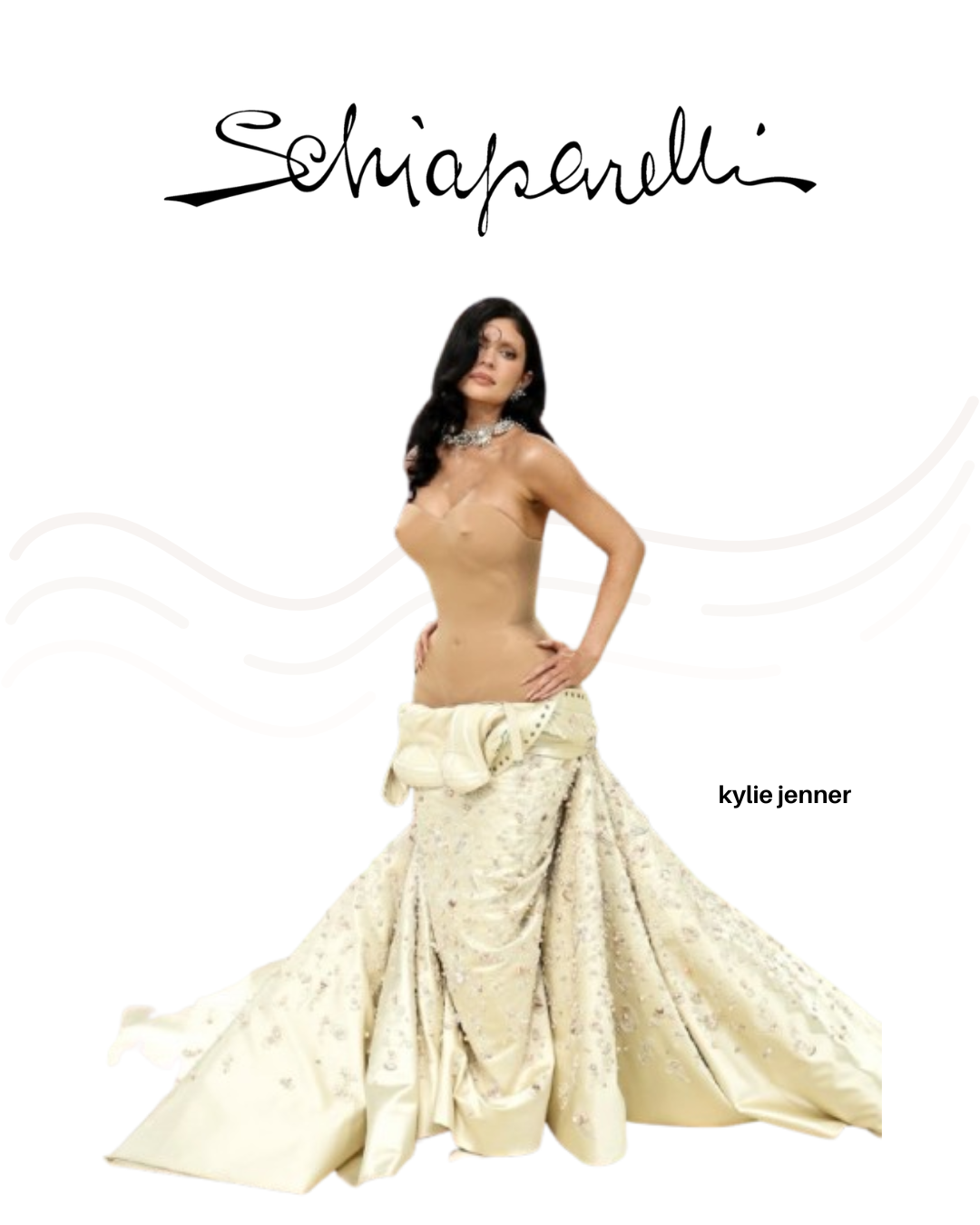
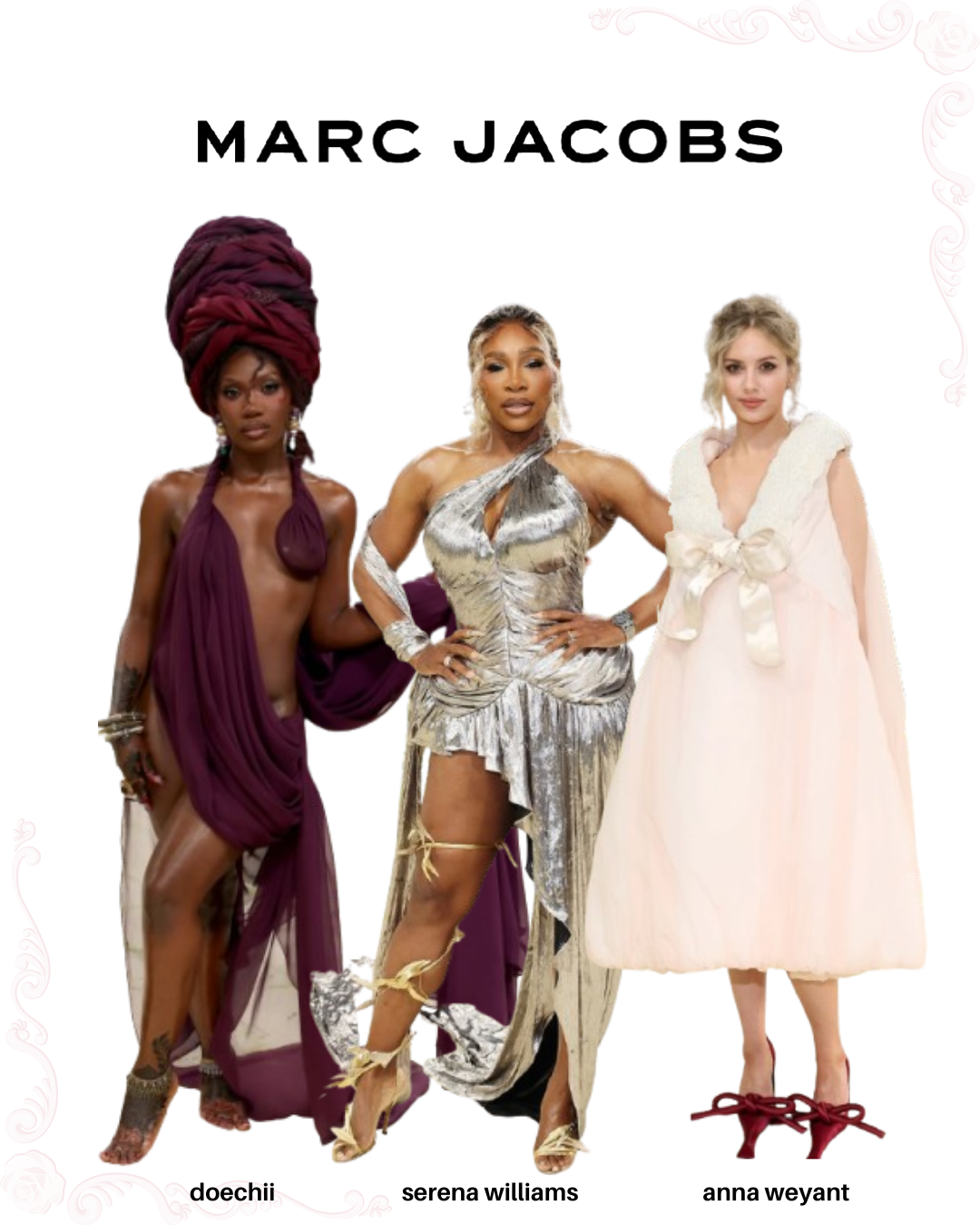
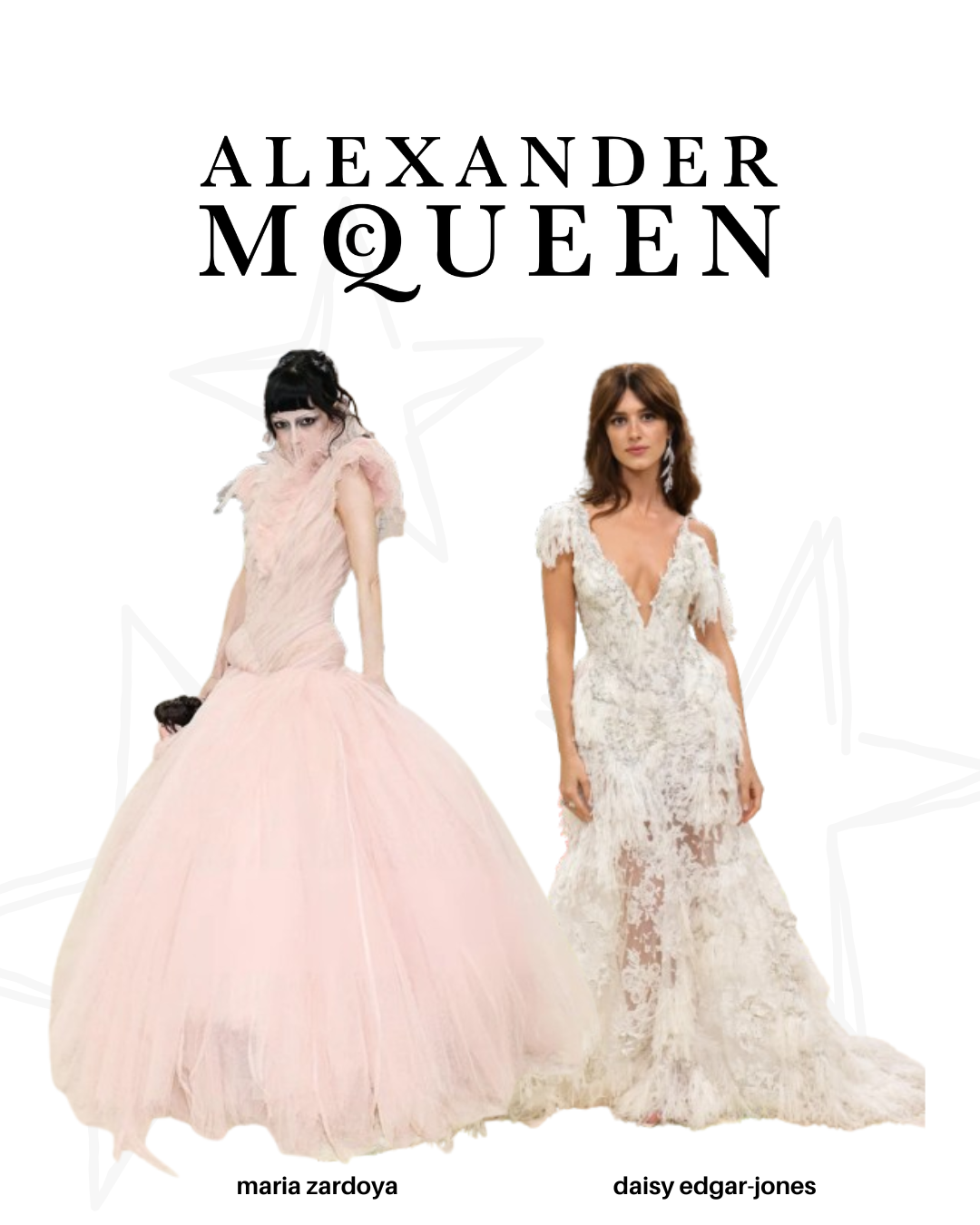
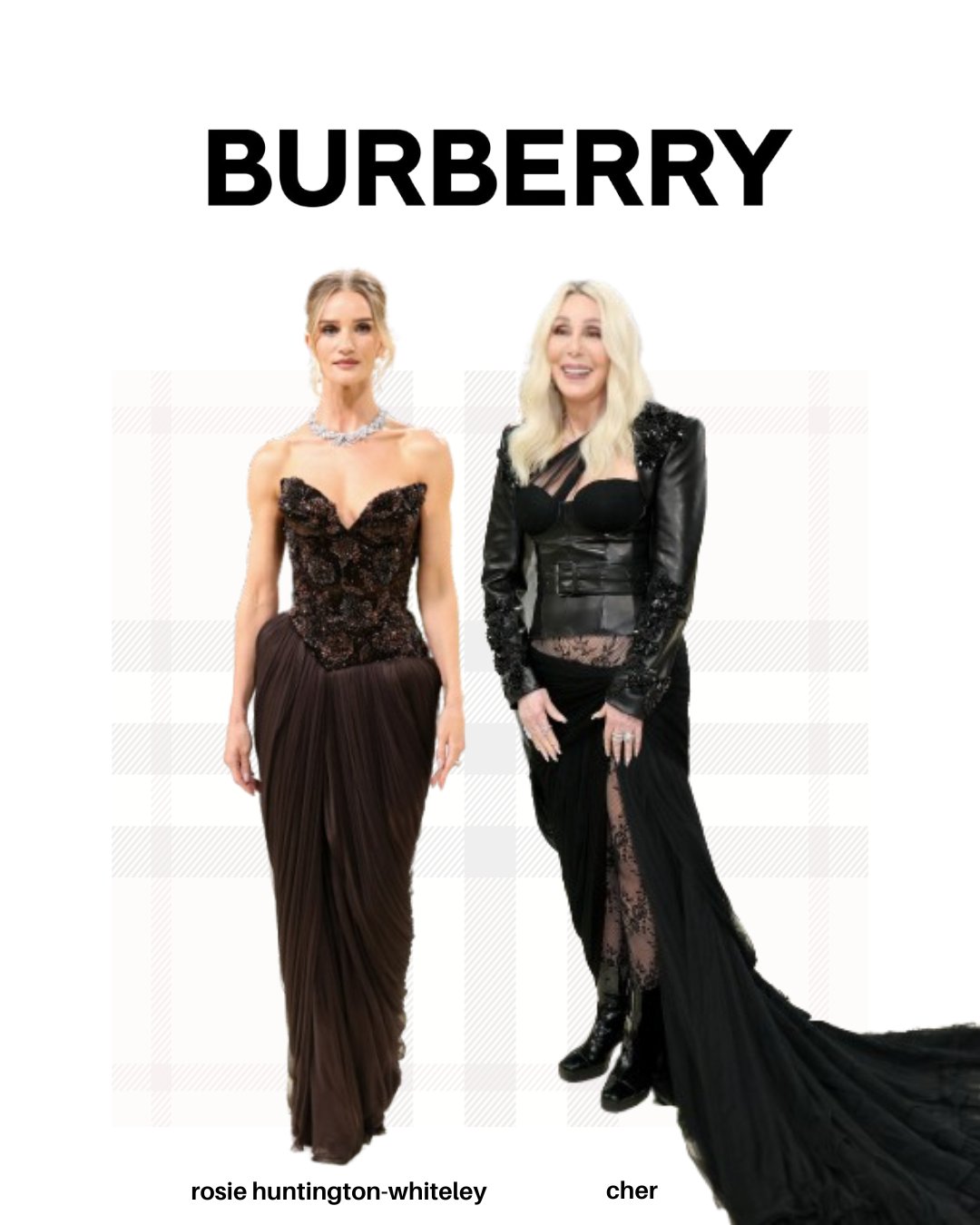
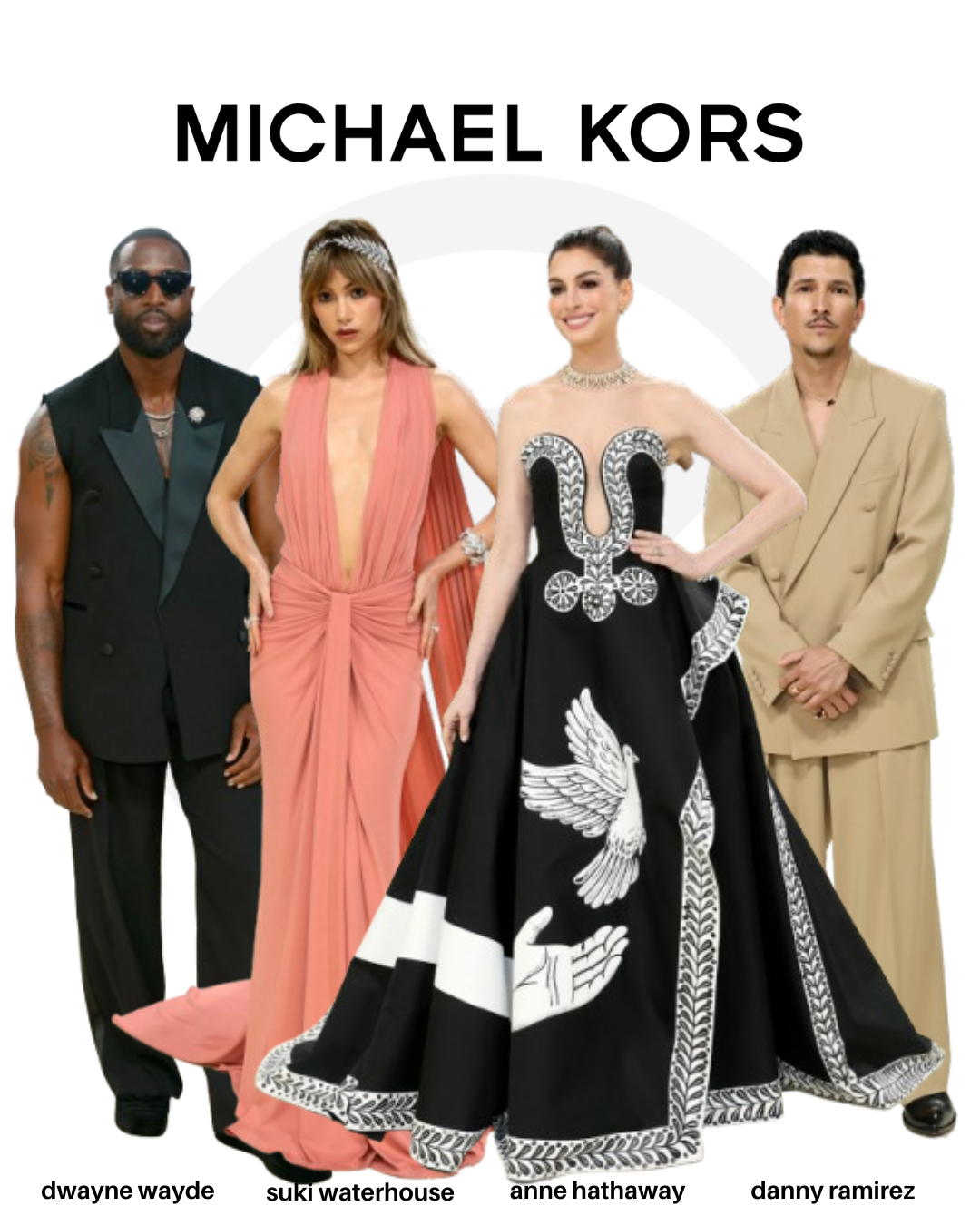
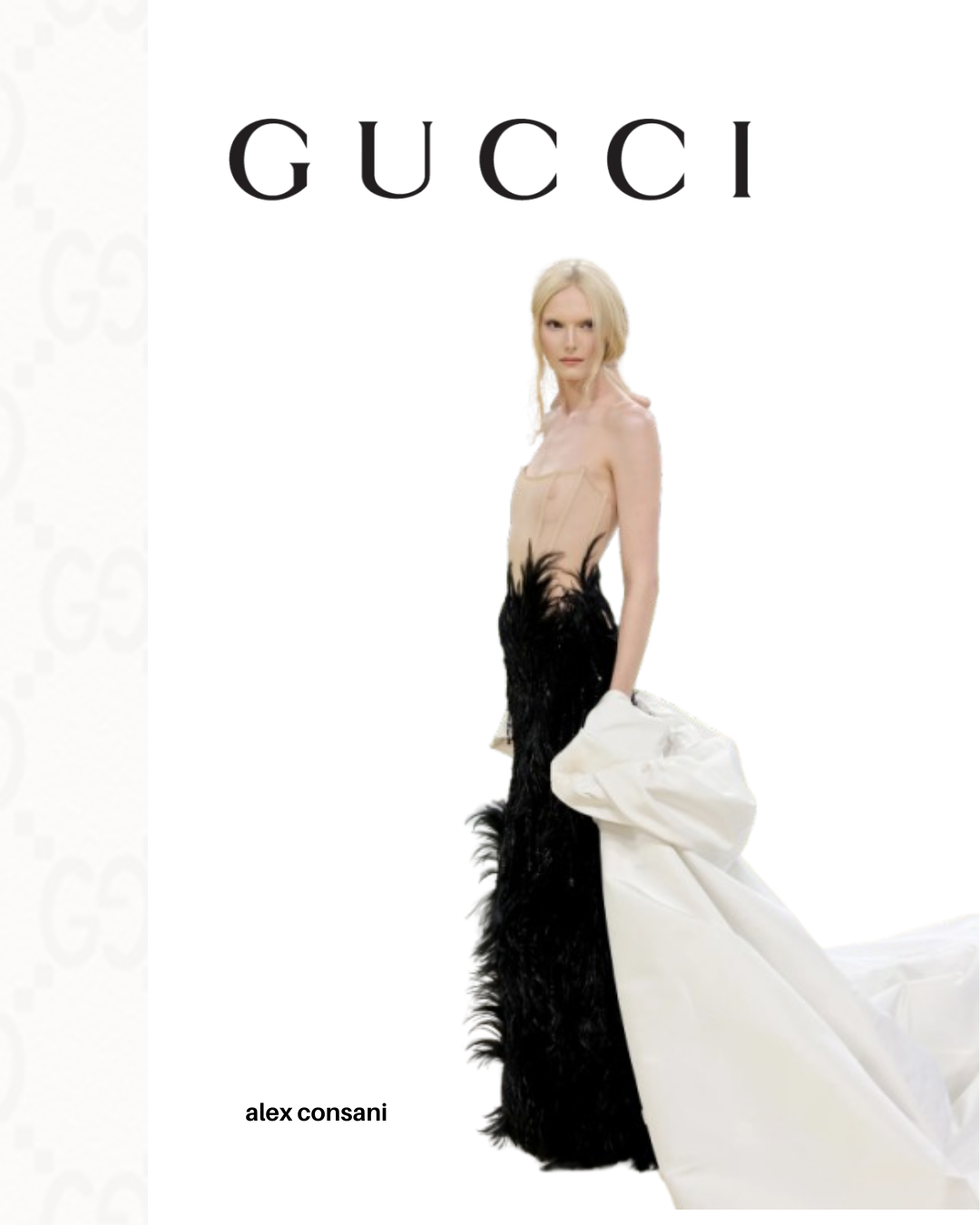
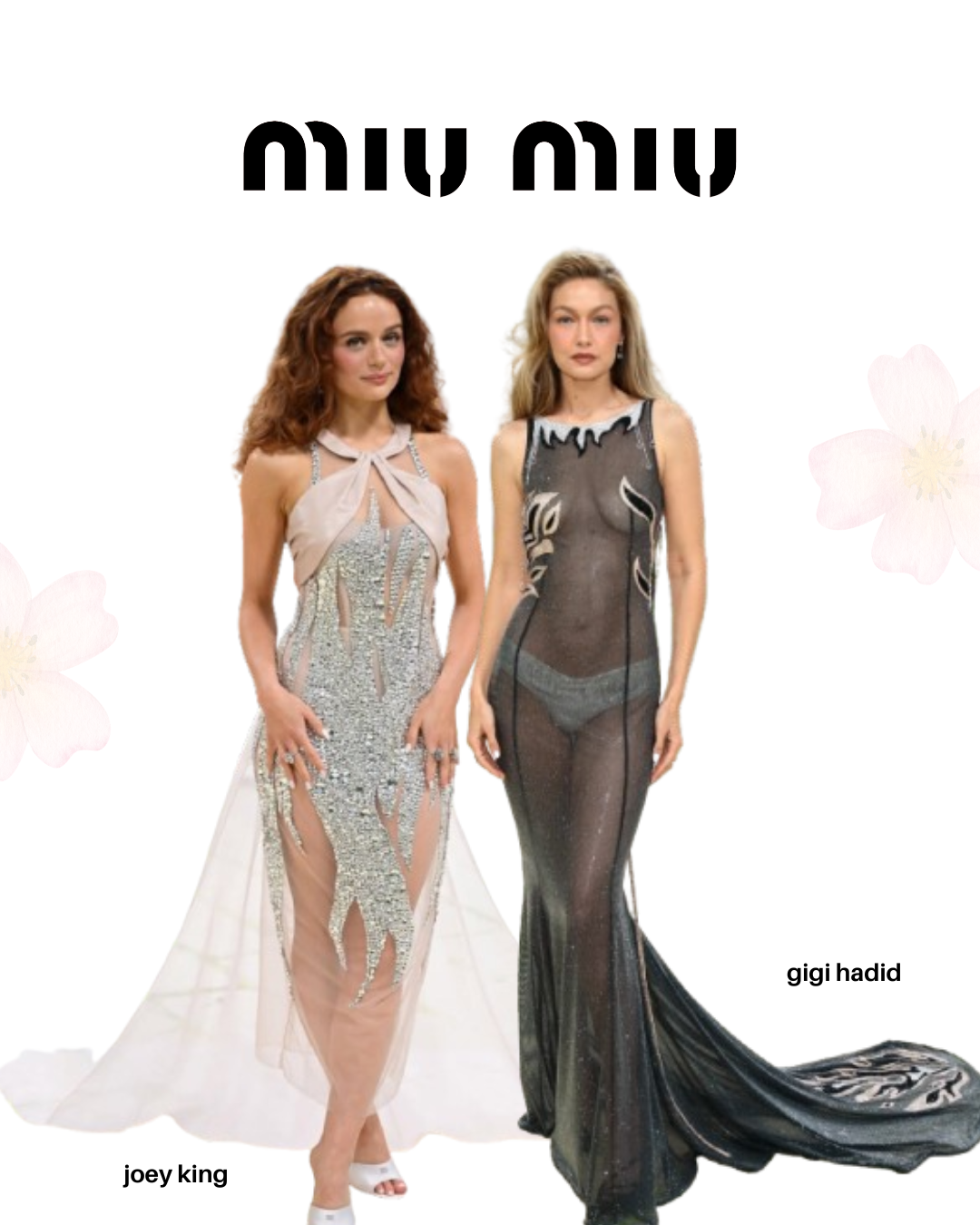
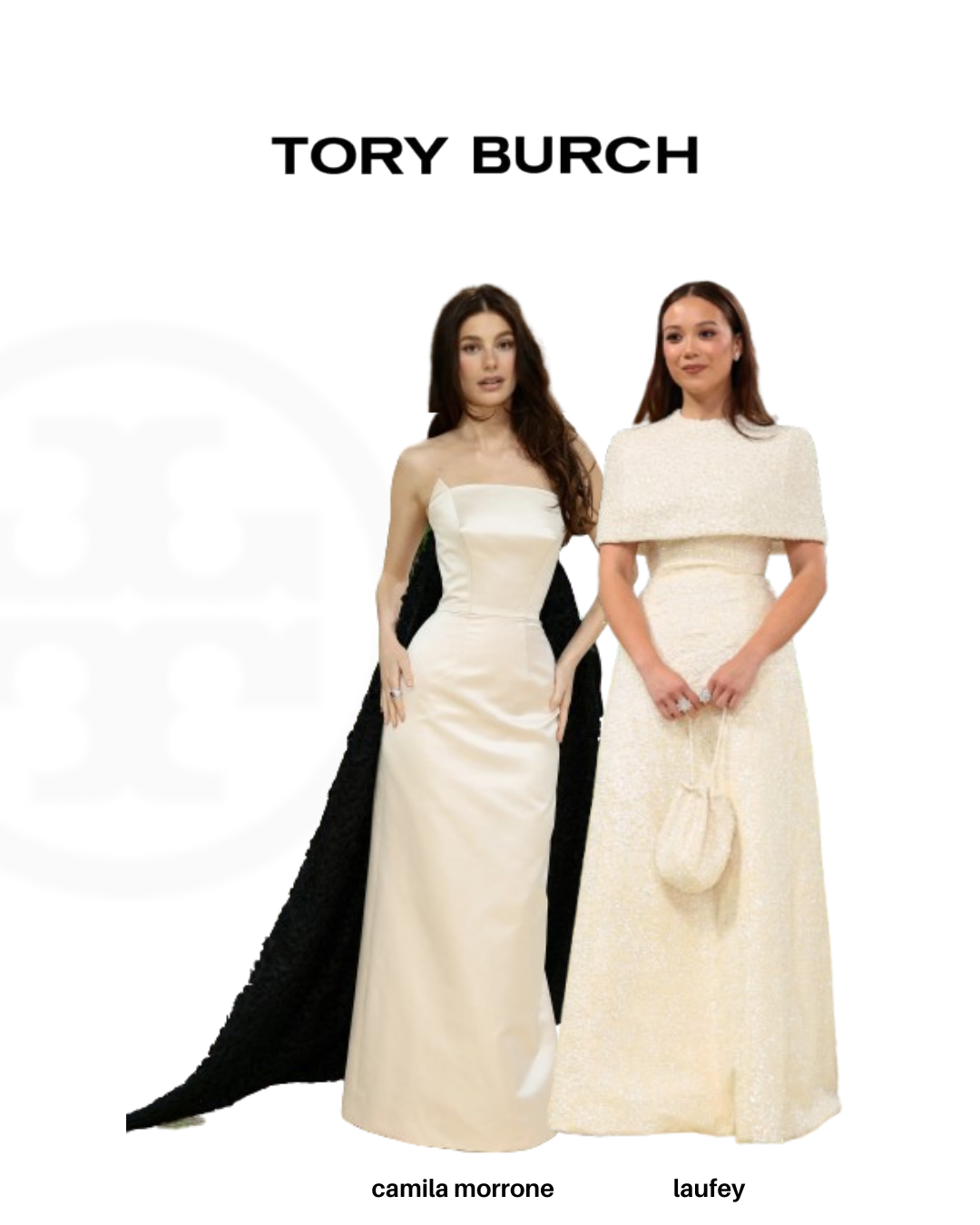
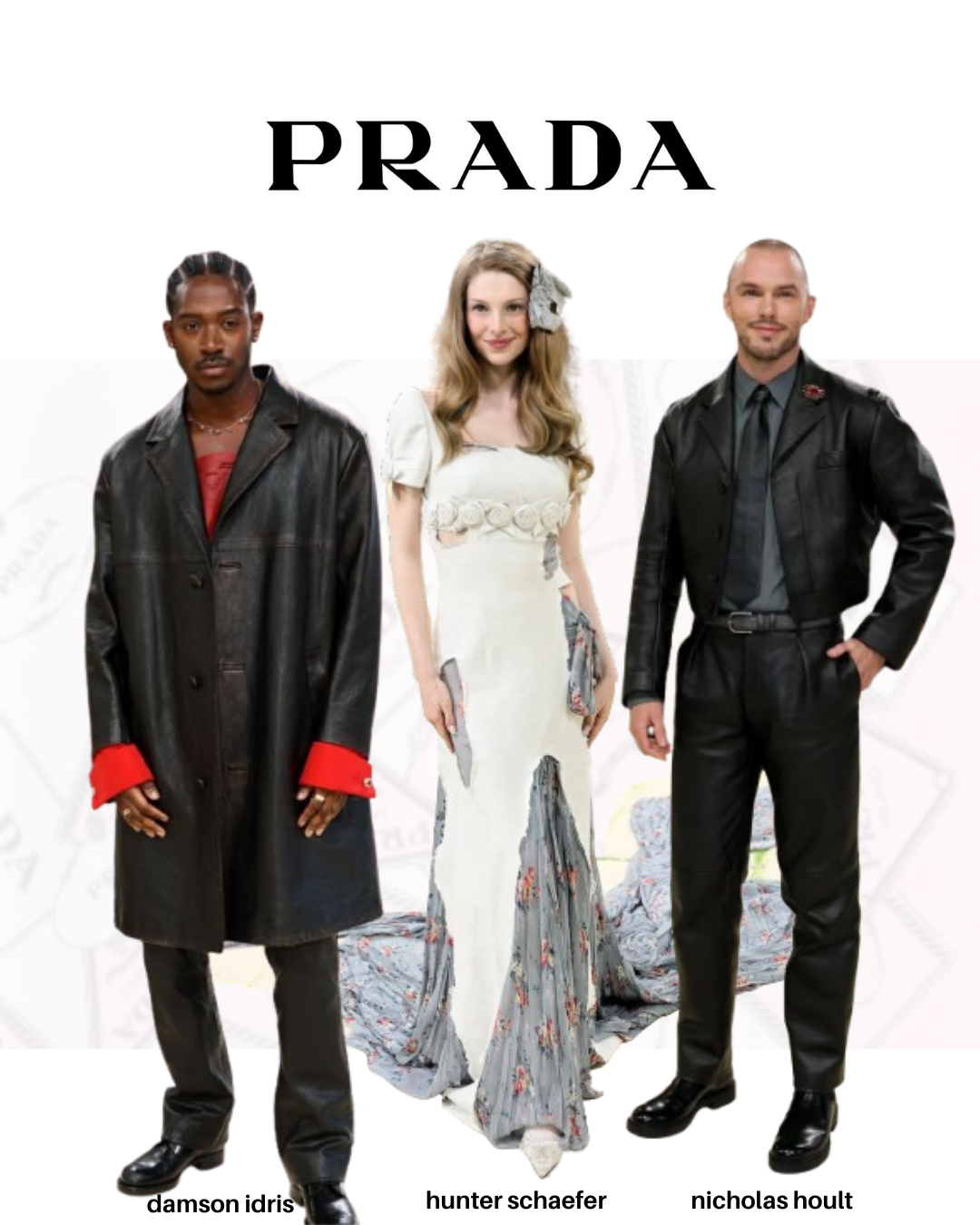
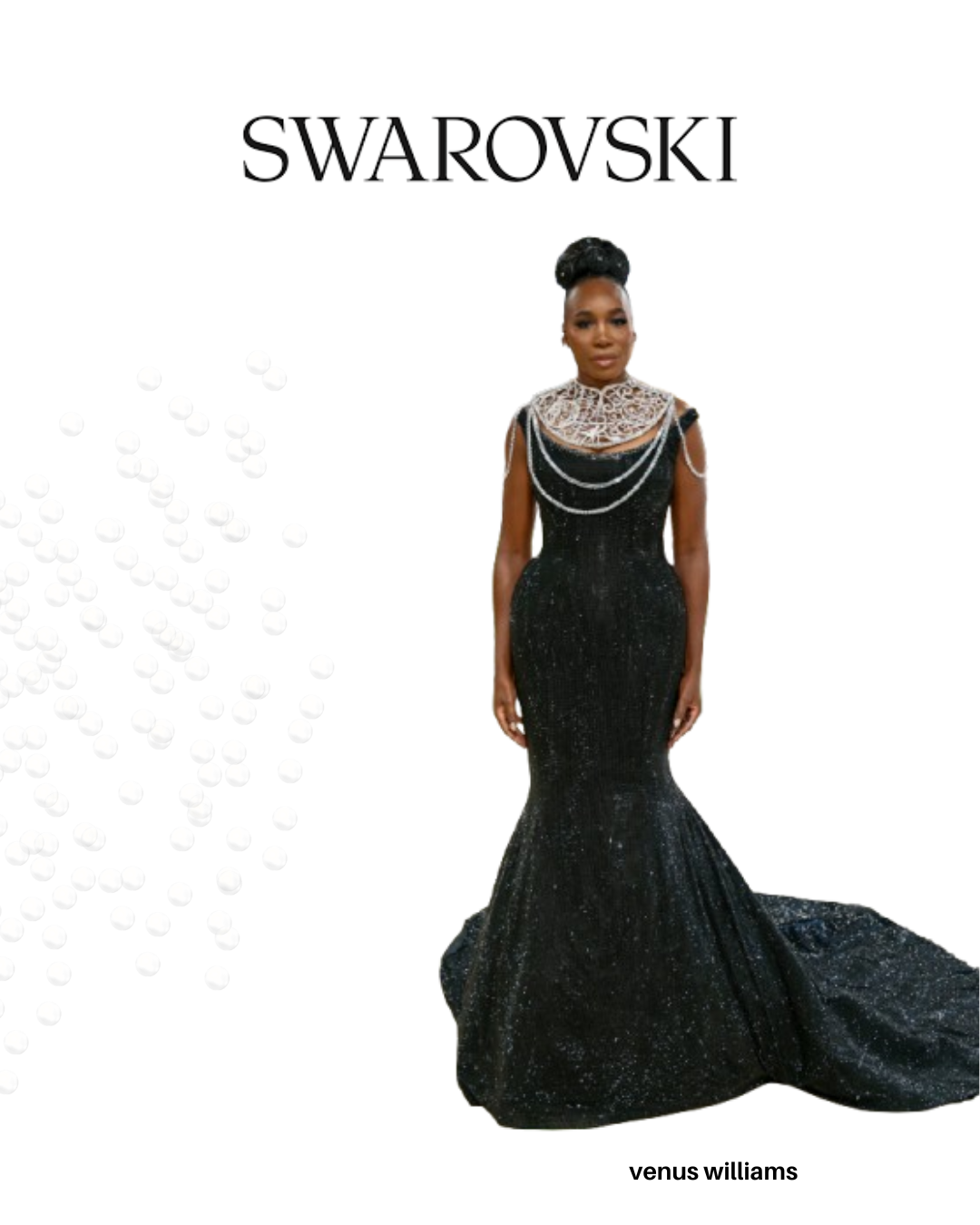
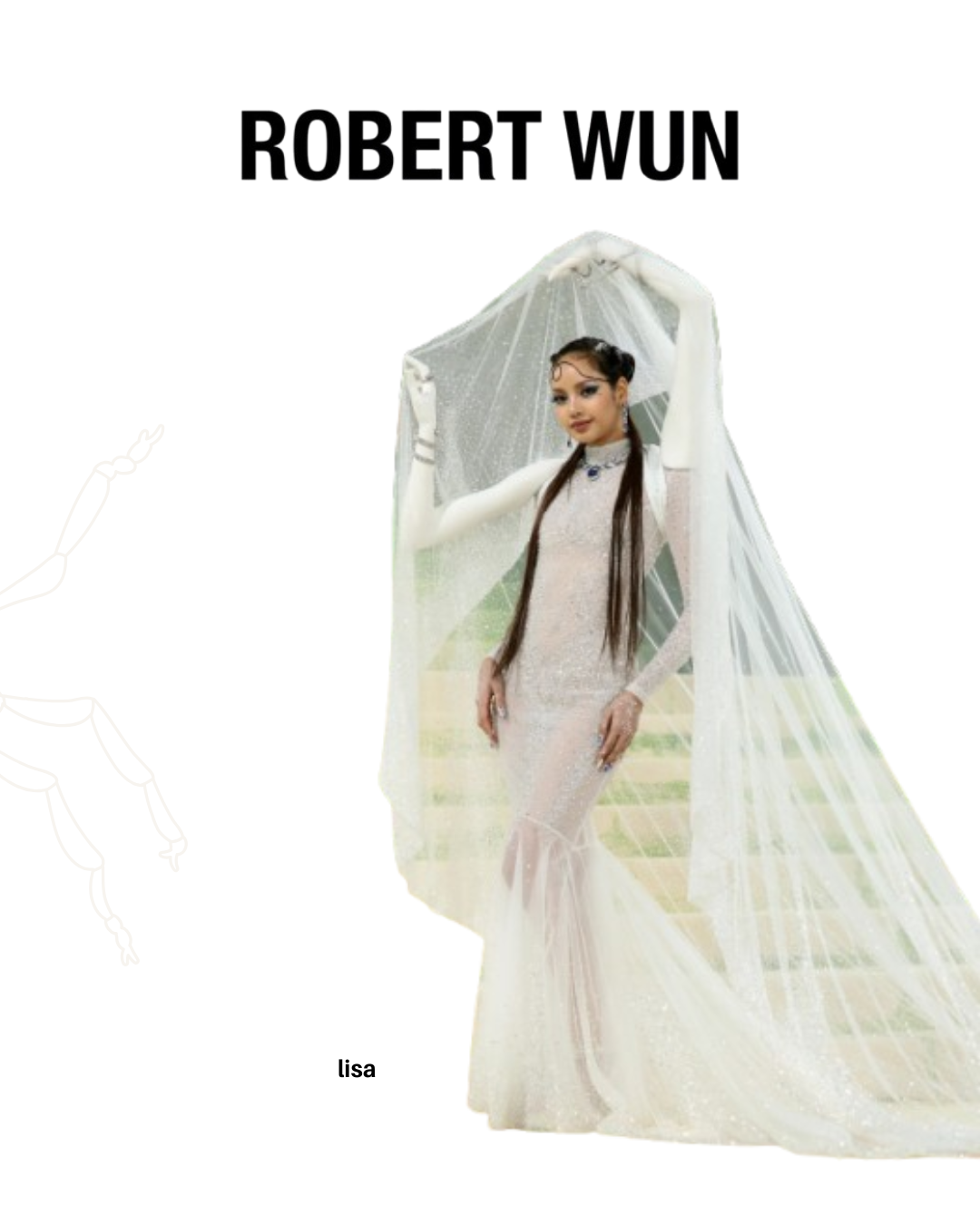
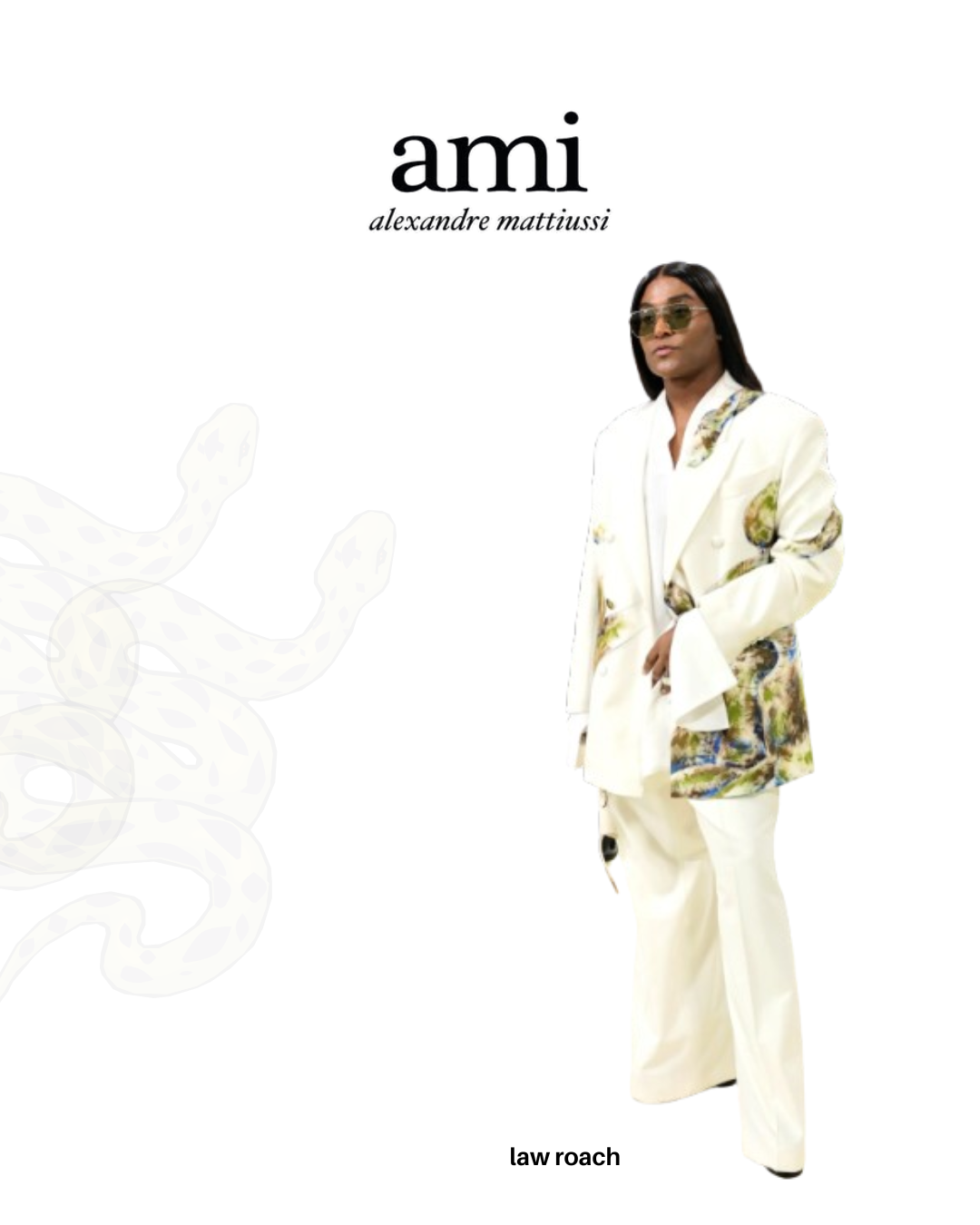
→ Swipe right for more looks
What makes the Met Gala distinct is not just the scale of the event, but its expectation.
Unlike other red carpets, it does not reward safety. It does not require wearability. It asks for interpretation — and more importantly, commitment to that interpretation.
The strongest looks each year are rarely the most traditionally “beautiful.” They are the ones that feel resolved. The ones that understand the assignment and follow it through without hesitation.
That is where fashion shifts into something else.
Into communication. Into performance. Into something closer to art than clothing.
There is also a reason the Met Gala continues to hold cultural weight. It operates as both archive and forecast — referencing fashion history while quietly shaping what comes next. The ideas introduced on those steps rarely stay there. They move outward, influencing editorial, design, and eventually, everyday dressing.
Which is why the theme matters.
Because when it is taken seriously, it produces something lasting. When it is not, the difference is immediate.
And in 2026, that contrast was clear.