CULTURE | 3 MIN READ
Hawker Centres are Singapore’s Real Stage
February 3, 2026 | 2:09 PM
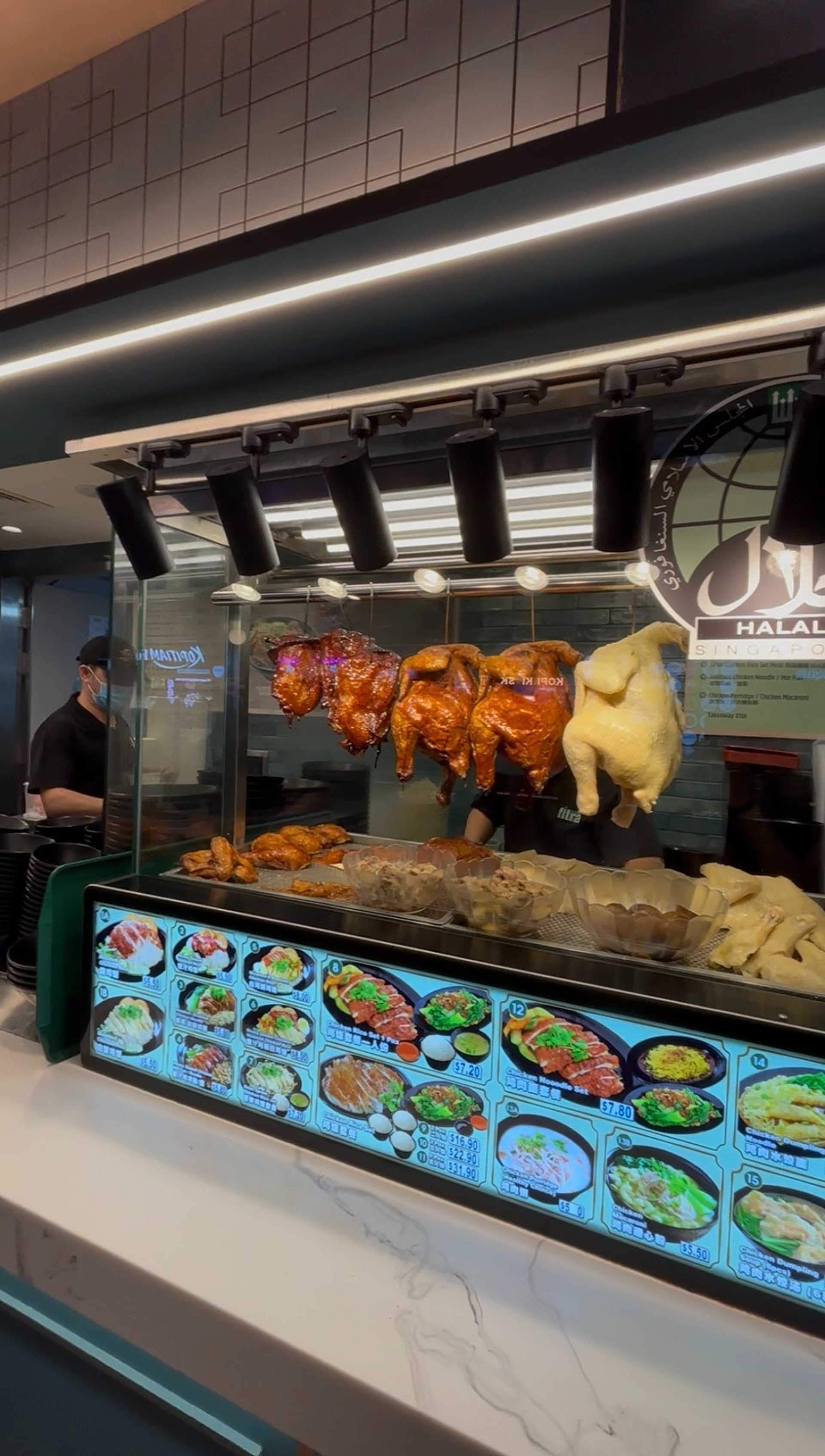
Skyscrapers, gleaming streets, and meticulously planned efficiency do not tell the whole story of Singapore. Real life unfolds under fluorescent lights, in the smell of char kway teow, among plastic chairs and laminated menus.
Hawker centres are the city’s true stage. They are messy, communal, sensory, alive. Here, cultures converge: Malay, Chinese, Indian, Eurasian — all negotiating space, flavor, and habit in the same breath. Lines form not by order alone but by ritual; each queue reflects who eats when, and how people move through the day.
The atmosphere is controlled chaos. Vendors call out, fans hum, trays clatter, yet everything exists in rhythm. Hawker centres are structured spontaneity — societies in miniature, where tradition and improvisation coexist. Food becomes communication, and eating becomes participation.
Some of the most emblematic centres capture this rhythm vividly. Maxwell Food Centre hums from breakfast to late lunch, where decades-old stalls serve Hainanese chicken rice alongside inventive twists. Lau Pa Sat comes alive in the evening, its satay street spilling smoky aromas into the night as office workers and tourists gather in effortless convergence. Tiong Bahru Market balances heritage and modernity, blending century-old recipes with a younger crowd seeking artisanal flair. Newton Food Centre sizzles after dark, where chili crab, barbecued satay, and seafood favorites fill the air and crowds move in organized chaos. Each of these spaces is a microcosm of Singaporean life — where identity, routine, and experimentation coexist seamlessly, and culture is tasted, shared, and performed in every bite.
It is here that you realize Singapore’s identity does not reside only in order or cleanliness. It resides in negotiation, in conversation over laksa, in debating whether to add chili, in learning the unspoken rules of who sits where and when. Culture is lived through taste, smell, and movement — not efficiency charts.
This is not nostalgia. These centres are evolving. Hip cafés, social media–driven stalls, and creative mash-ups of cuisine exist alongside decades-old counters. Heritage and innovation collide in real time, making every visit unpredictable but recognizable — unmistakably Singaporean.
Singapore does not need approval. Its culture does not need validation. The streets, the smells, the rhythms of hawker centres — these exist because people live them, because generations have built them, because the city allows space for ritual, experimentation, and quiet rebellion.
No one should mistake cleanliness or efficiency for the totality of the city. Singapore is messy, flavorful, deliberate, and alive. It does not perform for outsiders. It does not soften for admiration. It is unapologetically itself.
And that is exactly why it matters.