FASHION | 4 MIN READ
The Sherpas of Film in Fashion
March 1, 2026 | 8:46 AM
We speak about actors as though they arrive fully formed. We analyse performances, dissect dialogue, immortalise scenes. But long before a character becomes iconic, someone has already decided what they will wear – and in doing so, how they will be understood.
If cinema is the ascent, costume designers are the sherpas.
Long before the language of “press tour dressing” or “method styling,” there was Edith Head. Head did not simply clothe actresses; she constructed personas. Her costumes gave women authority, vulnerability and glamour in equal measure. In many ways, she codified Hollywood femininity – sharp waists, sculpted silhouettes, elegance that suggested control. Audiences may not have known her name, but they absorbed her decisions.
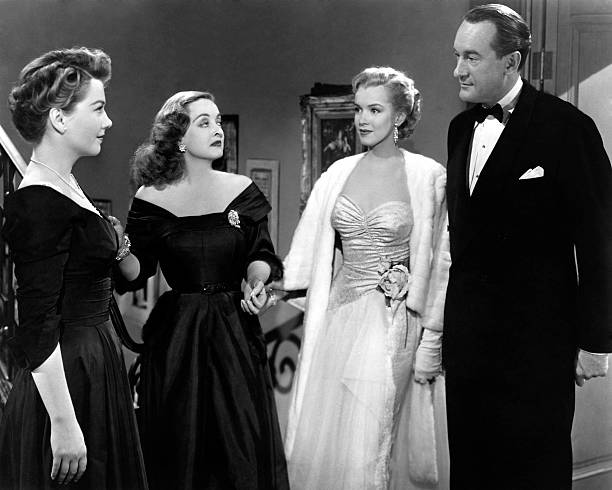
Image: Getty
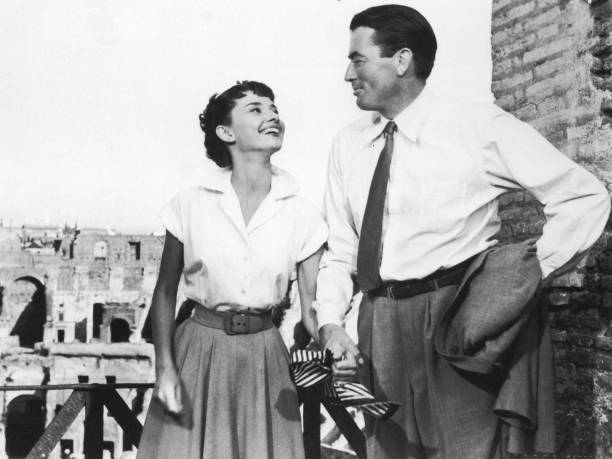
Image: Getty
Then came designers who treated costume as emotional architecture. Sandy Powell understands that clothing in film is psychological terrain. Her work rarely aims for decorative beauty alone. It interrogates character – exposing fragility, ego, contradiction. A costume becomes tension rendered visible.
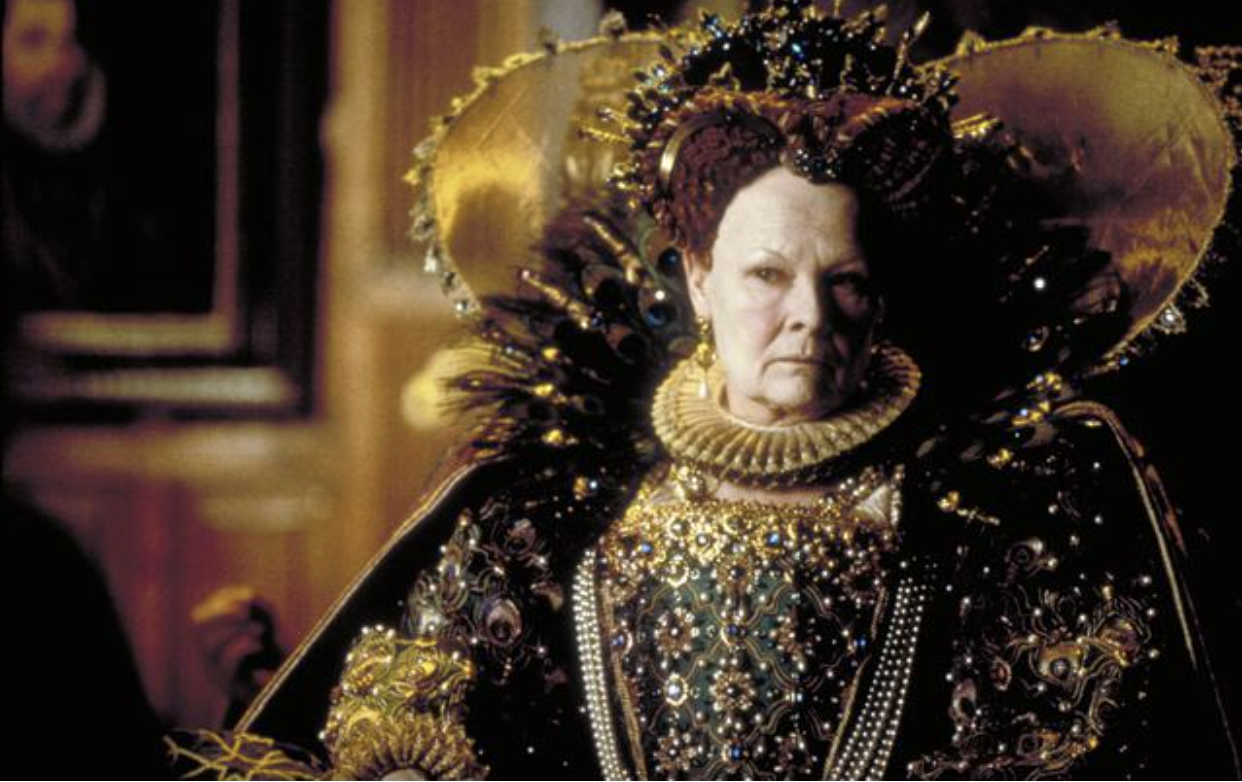
Image: Alamy
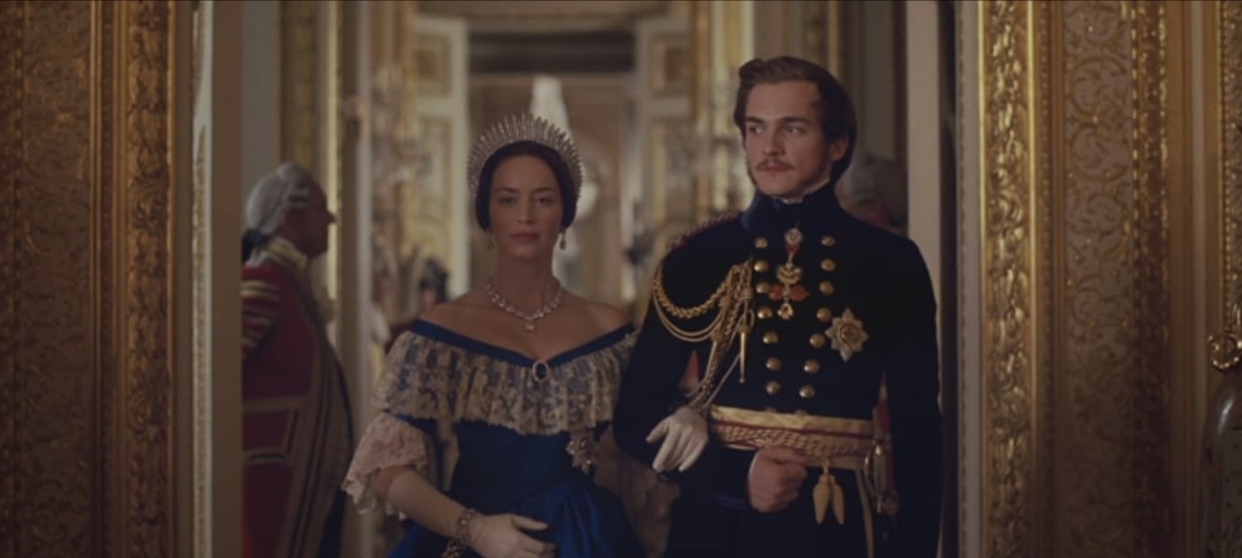
Image: IMDB
Colleen Atwood approaches cinema with similar precision but different texture. Atwood’s costumes feel immersive; they create worlds. Fabric under her direction is not passive. It carries atmosphere. It tells you whether you are in fantasy, history or heightened reality before a line is spoken.
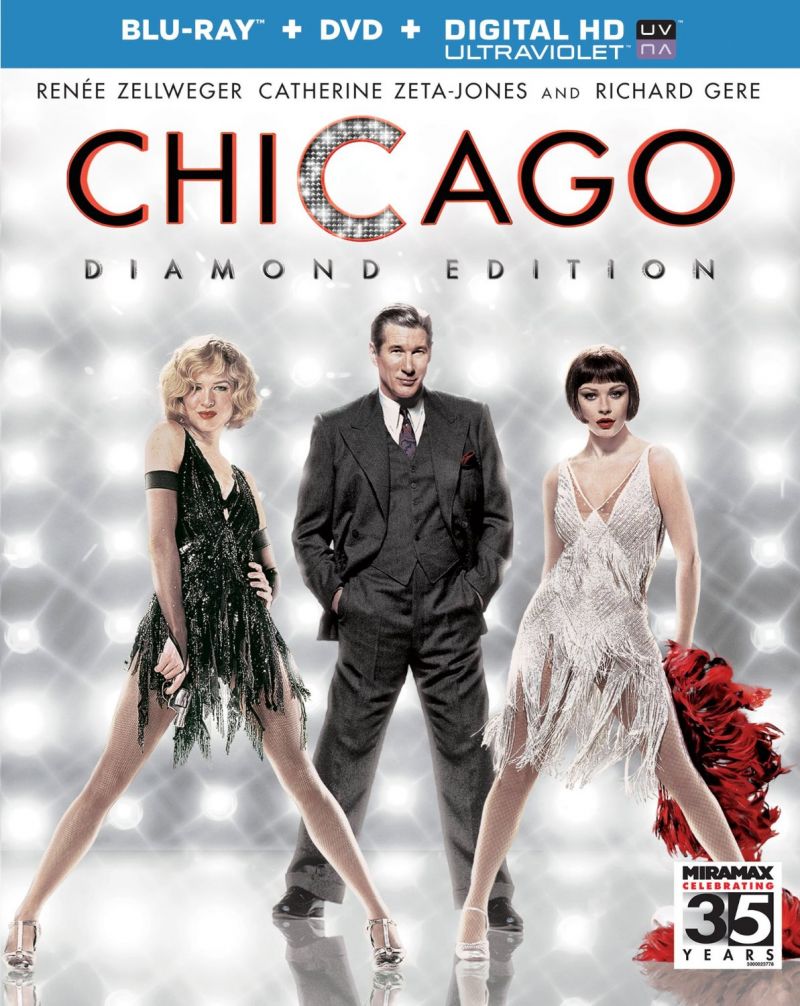
Image: IMDB
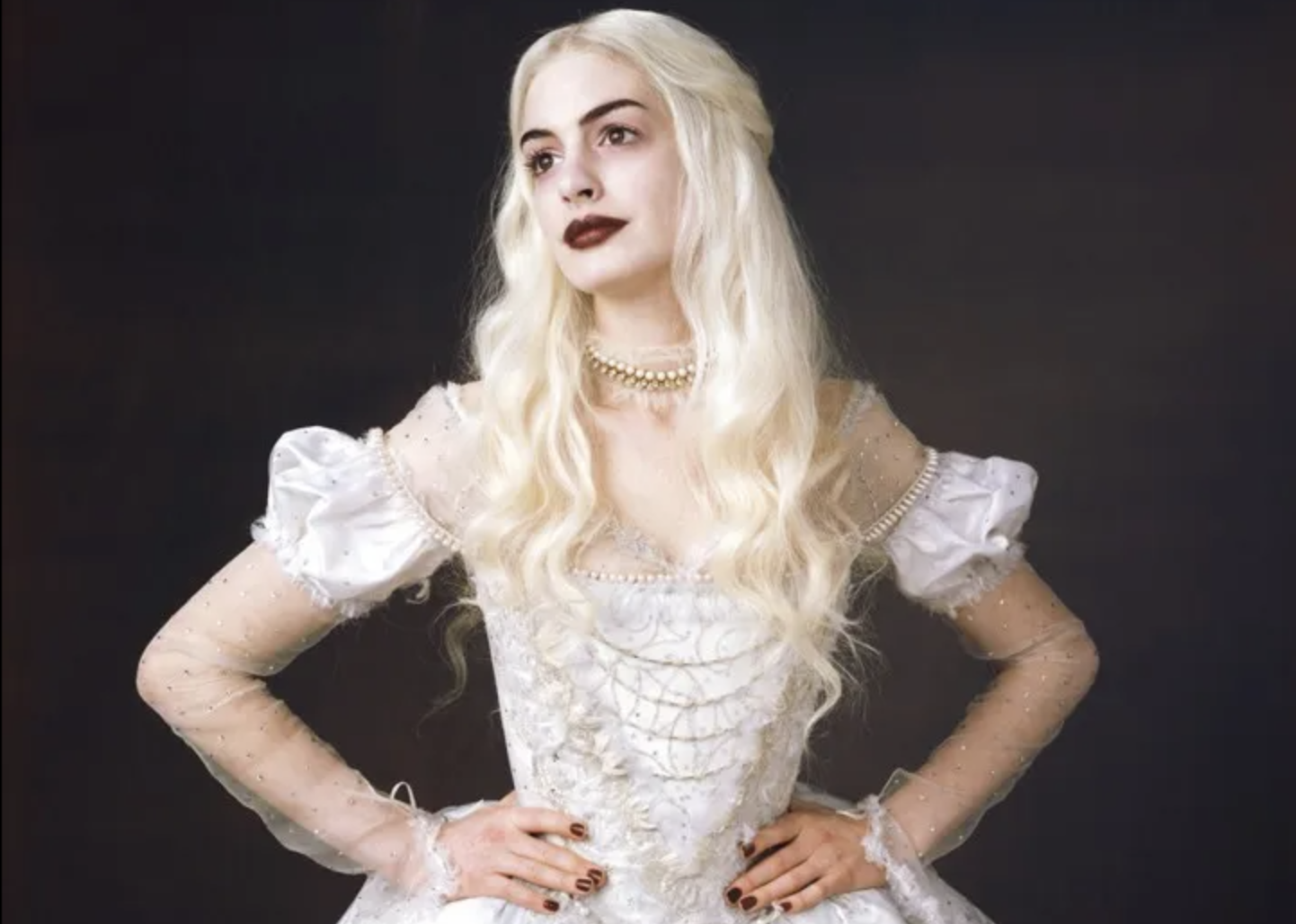
Image: Alamy
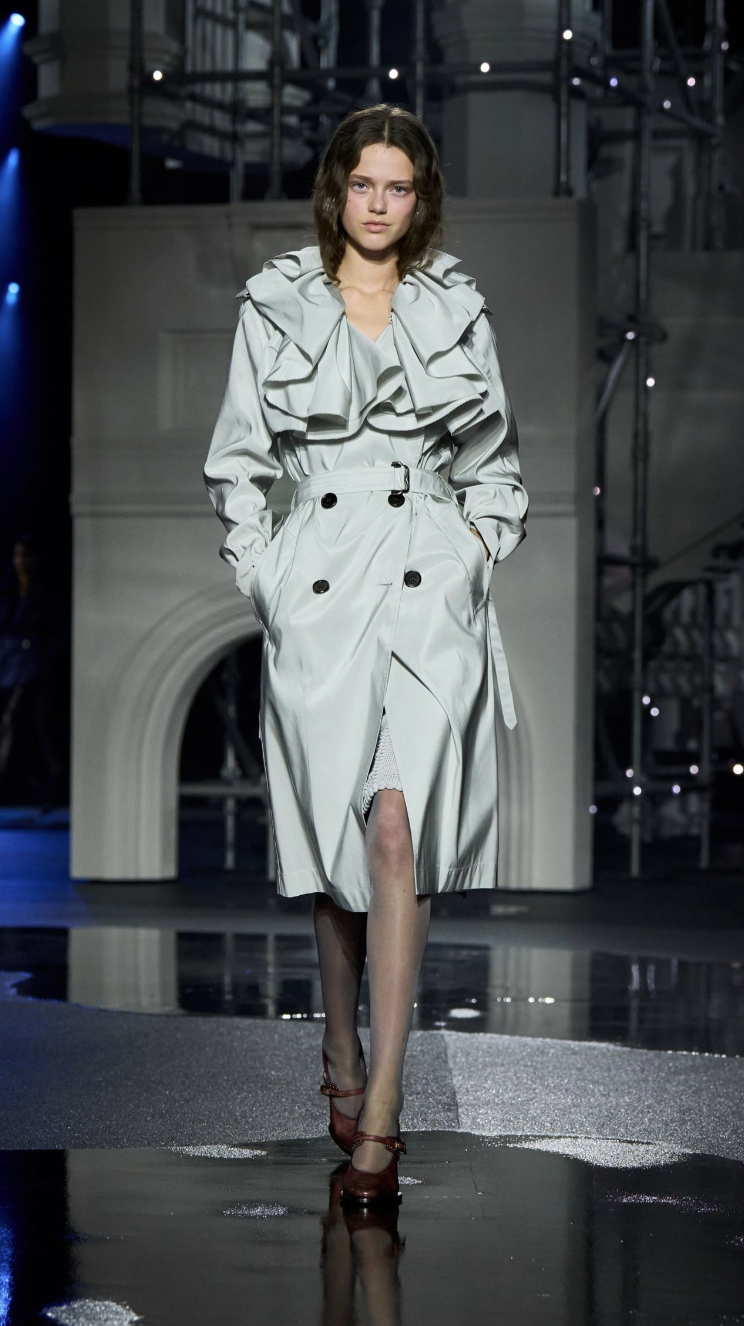
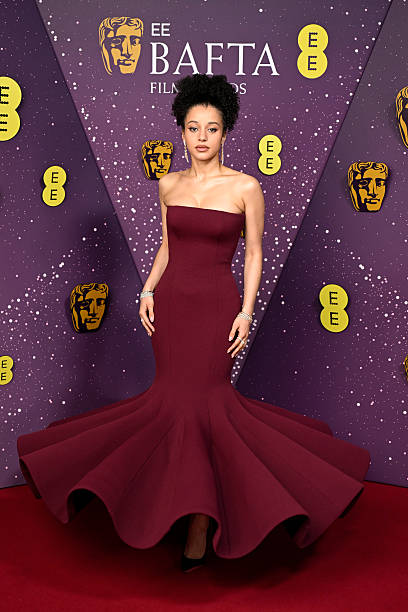
And then there is Catherine Martin, whose work operates at the intersection of costume, set and spectacle. Martin reminds us that fashion in film does not exist in isolation – it converses with architecture, light and excess. Her vision proves that clothing can amplify scale, turning characters into myth.
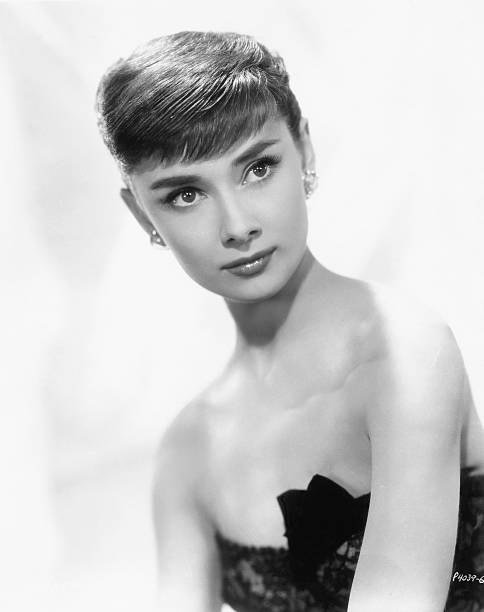
Even outside the traditional costume department, fashion houses have quietly influenced cinema’s visual lexicon. Hubert de Givenchy did not merely design garments; he helped shape the cinematic image of elegance itself. When couture enters film, it shifts the stakes. It aligns character with aspiration, grounding fantasy in real-world luxury.
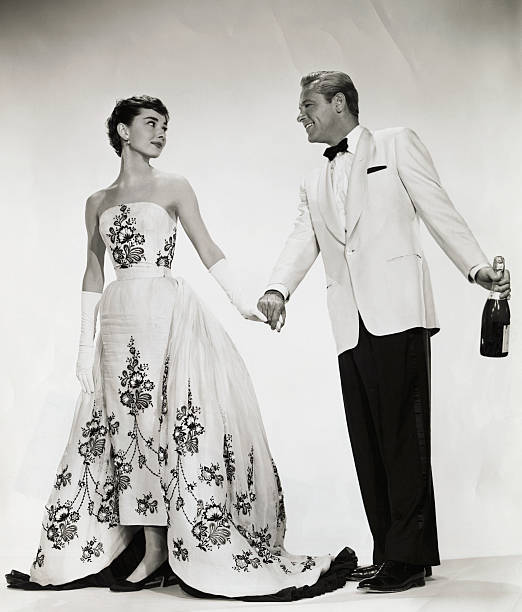
Image: Getty
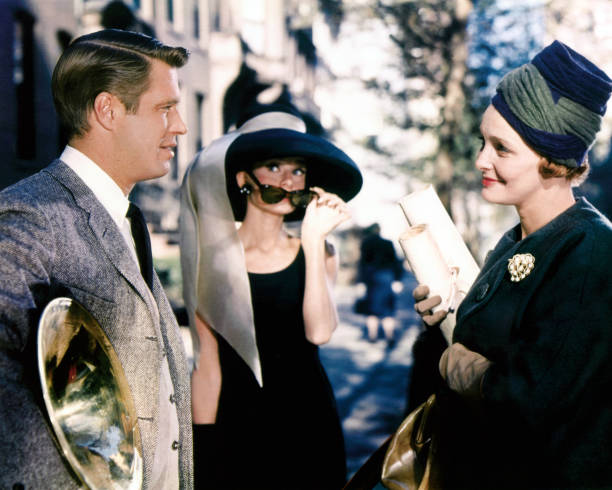
Image: Getty
What unites these figures is not aesthetic similarity but authorship. They understood that film is remembered in stills as much as in scripts. A black dress, a tailored suit, a coat caught mid-motion – these become cultural shorthand.
The contemporary fashion conversation often frames stylists as image managers. But the lineage is far deeper. The architects of cinematic wardrobes have always been storytellers first. They build character through cut, narrative through texture.
To call them “behind the scenes” feels reductive. They are not background. They are scaffolding.
They guide the ascent – steadying the climb, anticipating the terrain, ensuring that when the actor reaches the summit of a defining scene, everything about their silhouette feels inevitable.
In fashion, the mountain is visibility. In film, it is myth.
And these designers have been mapping the route all along.