TRAVEL | 4 MIN READ
Where the Sea Meets the City: Málaga
February 16, 2026 | 8:00 PM
Morning arrives gently in Málaga. The city does not wake in a rush; it stretches into the day. Soft light slips through balconies, warming pale stone streets and catching the tops of palm trees along the harbour. Cafés begin to set their tables outside, chairs angled towards the sun, while locals drift in for a first café con leche. There is no urgency, only the promise of warmth and time unfolding at its own pace.
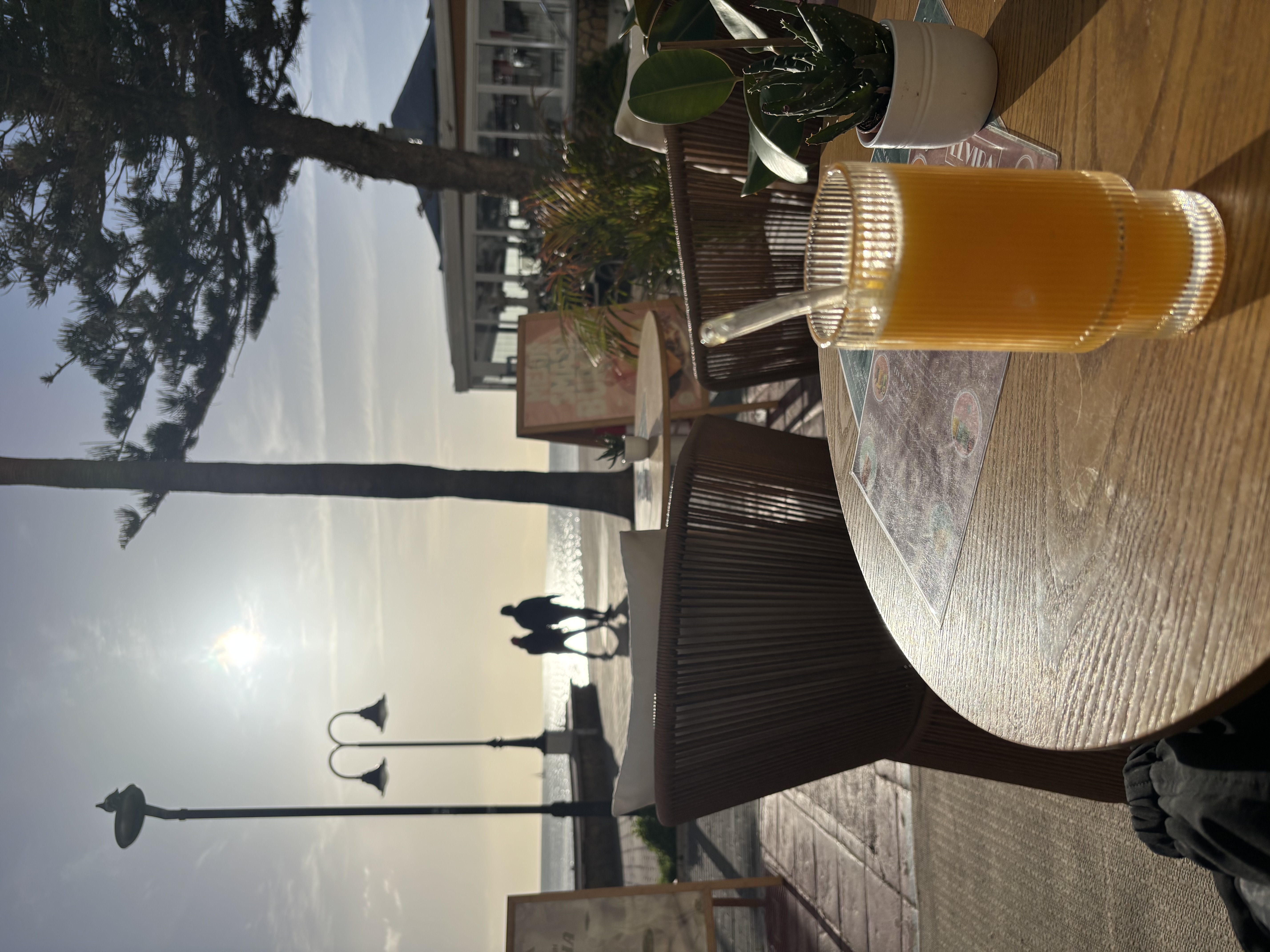
Breakfast is simple yet indulgent. Warm pan brushed with olive oil, ripe tomatoes crushed into colour, fresh orange juice squeezed moments before serving. In shaded plazas, conversations begin quietly, pages of newspapers turn slowly, and the city hums rather than roars. Walking through the casco antiguo at this hour feels private, as though Málaga is still deciding how much of itself to reveal. Narrow streets curve between balconies dressed in greenery, and echoes of footsteps bounce gently off centuries-old walls.
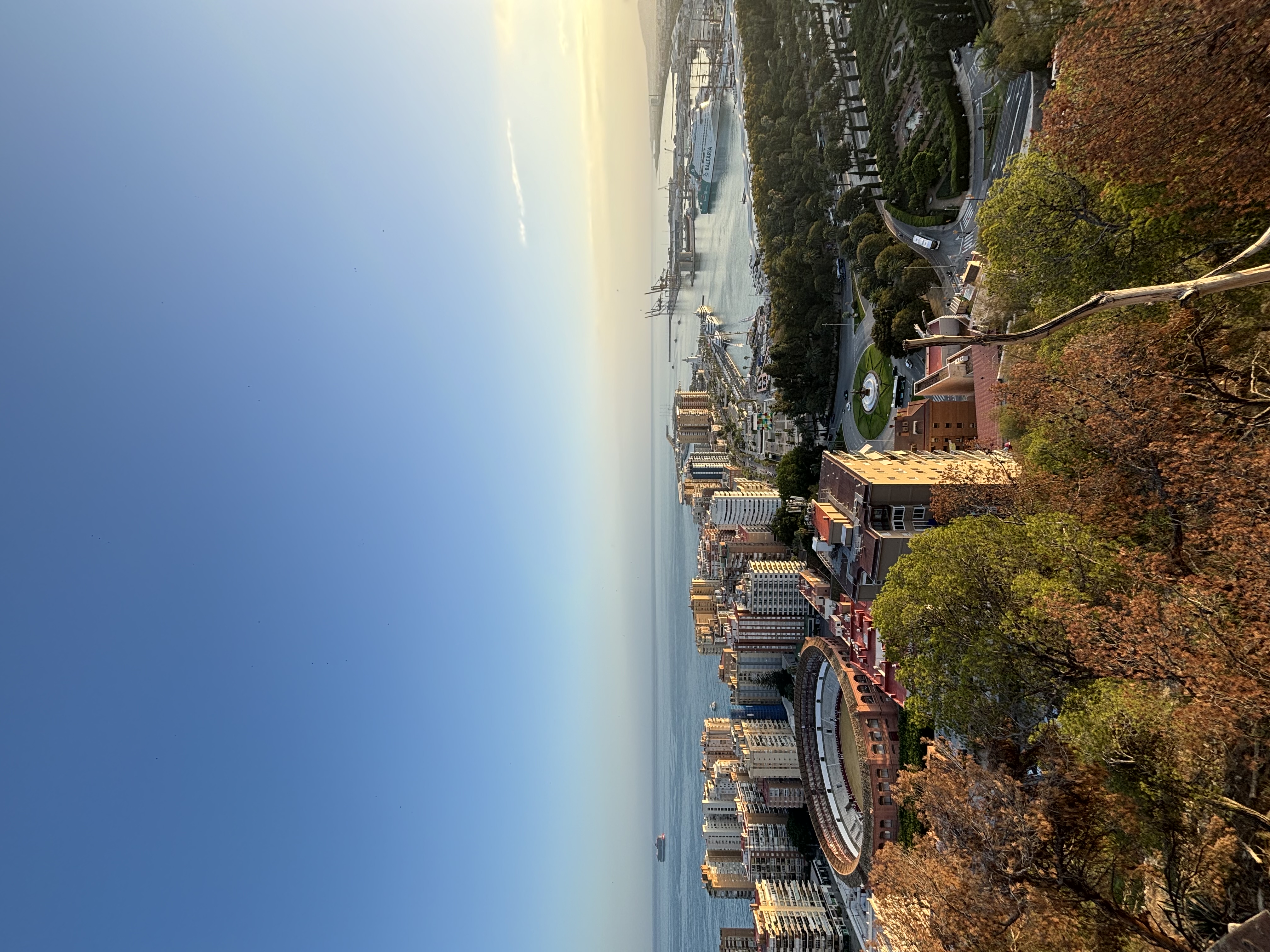
As the morning grows warmer, Málaga opens fully. Shoppers wander between boutiques, galleries slide open their doors, and the scent of pastries and salt air mixes in the breeze. The Alcazaba rises above the city like a calm guardian, its warm stone glowing against the sky. From its paths, rooftops spread out below, terracotta blending into the blue sea, giving the sense that history and modern life are not separate here — they simply coexist.
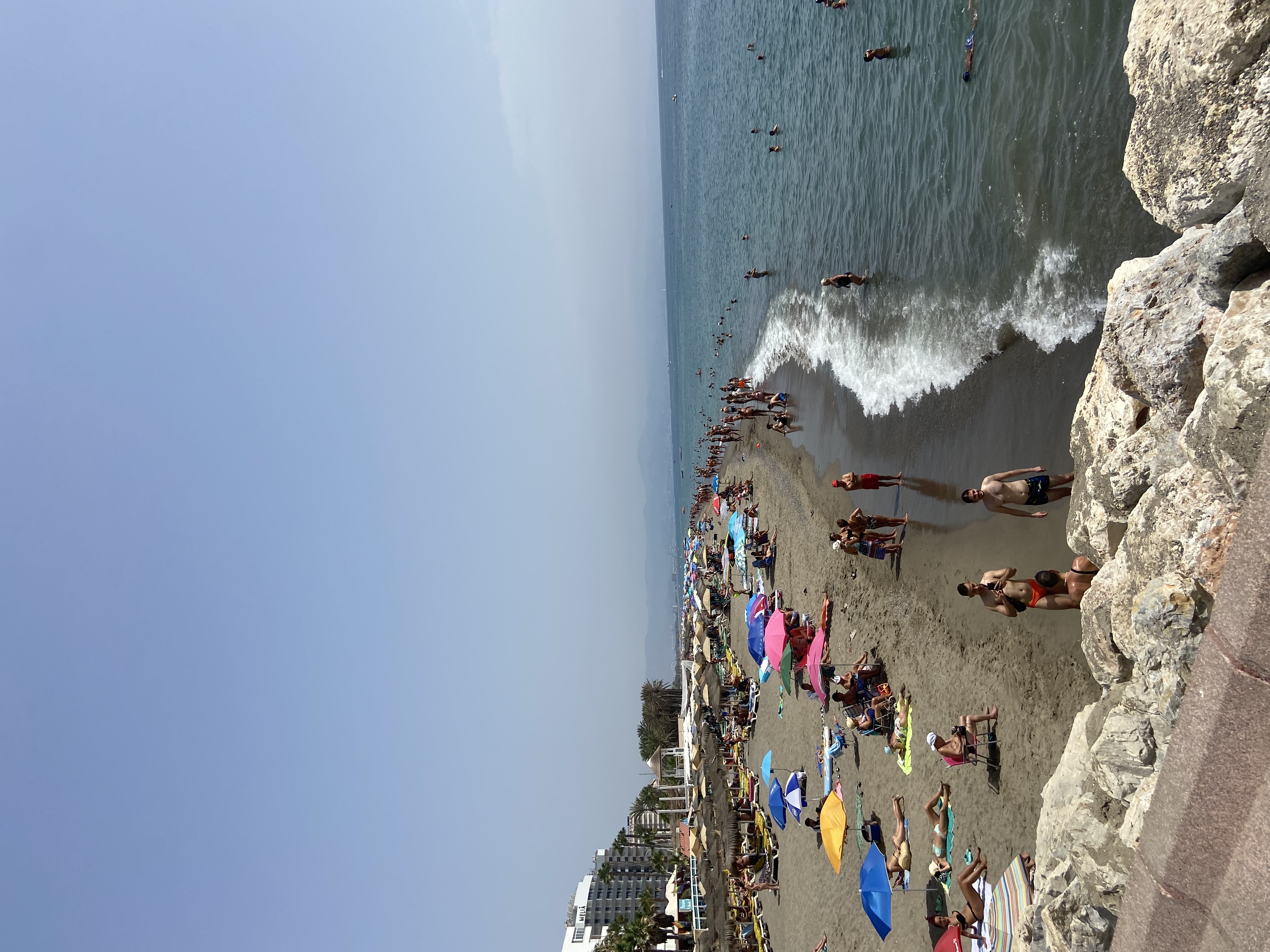
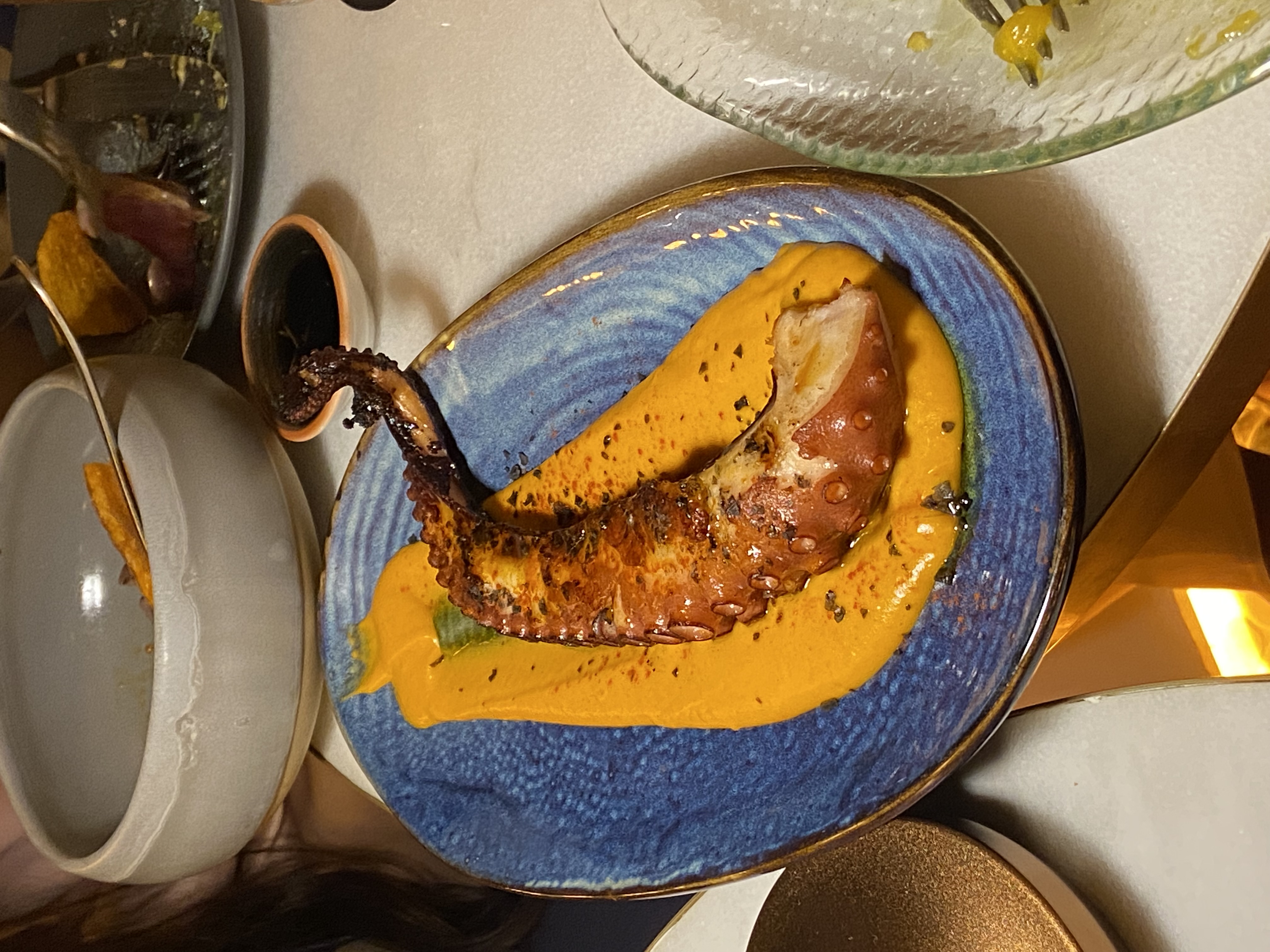
By midday, life drifts towards the water. The paseo marítimo becomes a runway of everyday elegance: linen shirts, flowing dresses, sunglasses catching light. Cyclists glide past families, and the Mediterranean shimmers with quiet confidence rather than drama. Along the sand, wooden boats turned into grills send curls of smoke into the air as sardines cook slowly over open flames at the local chiringuitos. Lunch is unhurried, often stretching far longer than planned. Plates arrive in relaxed succession — seafood kissed with salt, vegetables soaked in olive oil, glasses of chilled vino blanco catching the afternoon glow.
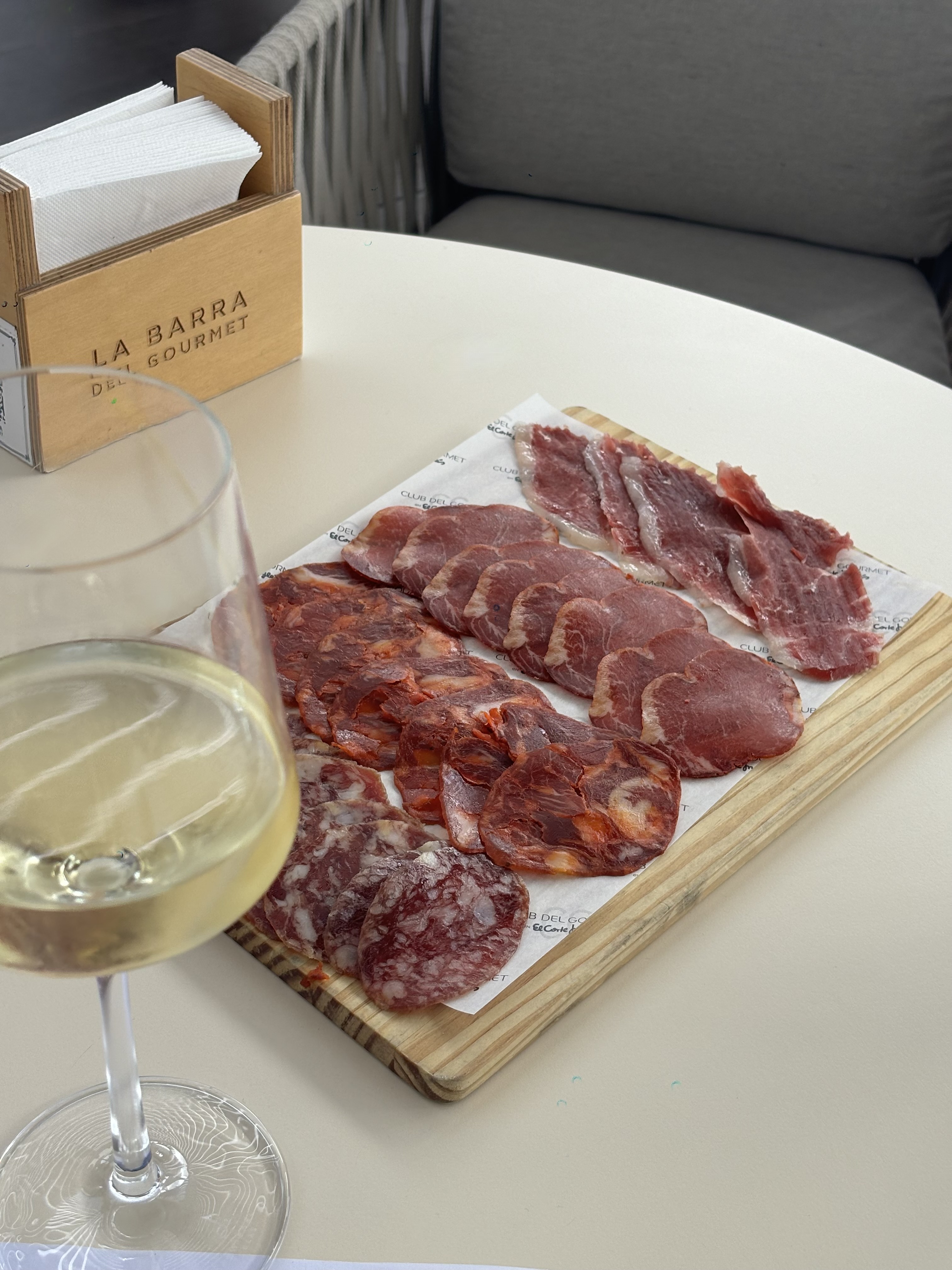
Afternoons in Málaga feel suspended. Heat softens the city, slowing movements and encouraging shade. Some retreat indoors to cool galleries and museums, others linger by the shore, letting the sea speak for itself. The mercado pulses quietly with colour — fruit stacked in careless perfection, pastries dusted with sugar, voices weaving between stalls. Even in its busiest moments, Málaga never feels sharp-edged. Everything seems rounded by sunlight.
As the day begins to tilt towards evening, the city changes tone. Light turns golden, shadows stretch, and terrazas refill with a different kind of energy. Music drifts from plazas, glasses clink, and conversations grow louder yet warmer. The air carries both sea salt and perfume. People dress not to impress, but to belong — elegant without effort, relaxed without losing style.
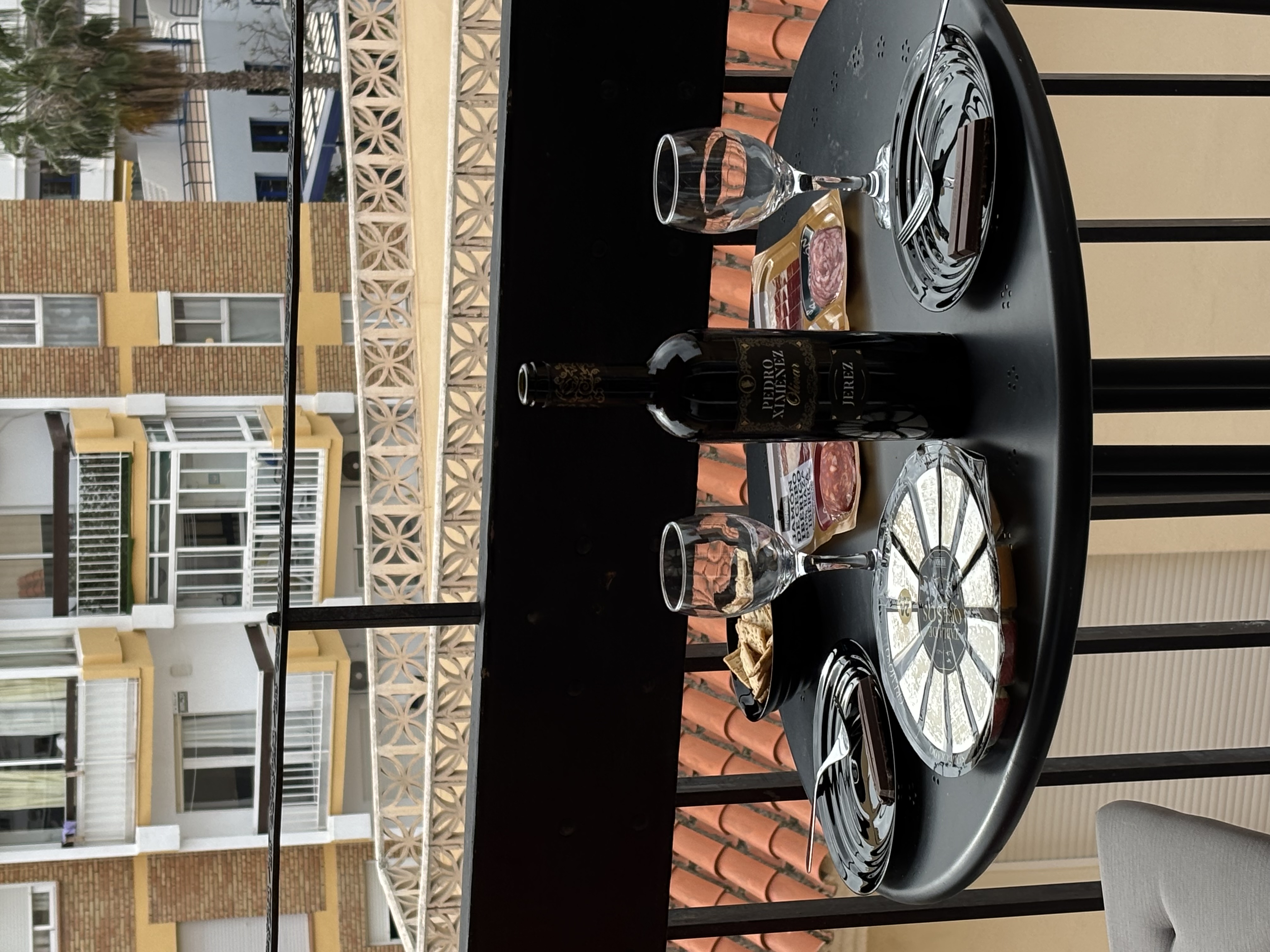
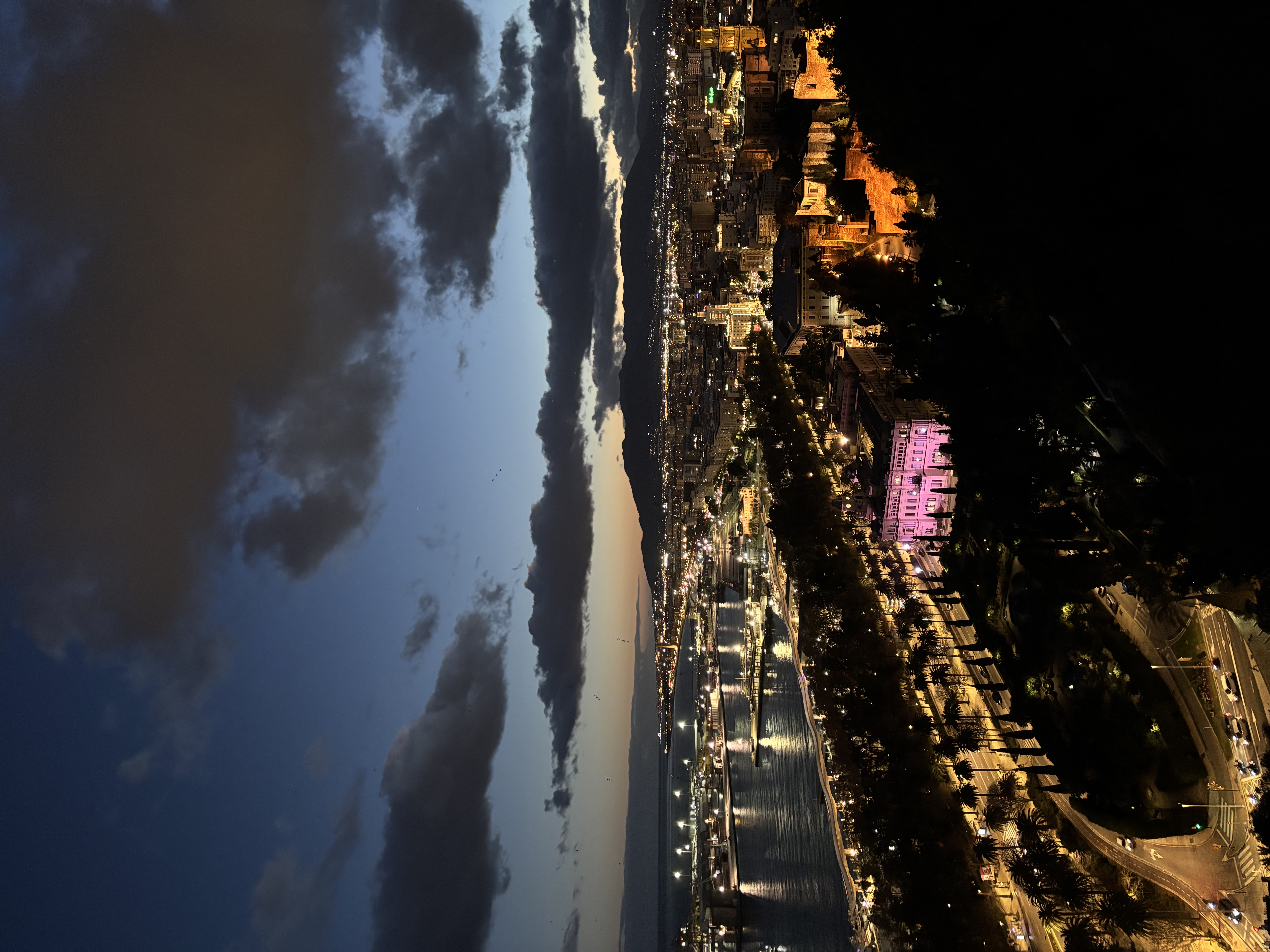
Night in Málaga arrives slowly, like a curtain lowering rather than snapping shut. The beach glows under soft lamps, waves whisper against the shore, and the old town becomes a stage for laughter and late dinners. Tapas are passed between friends, vino tinto pours easily, and time dissolves into stories. There is no pressure to leave early here. Málaga understands that night is not an ending, but an extension of the day’s pleasure.
By the time darkness settles fully, Málaga feels intimate. Streets shine softly, music hums through corners, and the Mediterranean reflects moonlight like quiet applause. From the first coffee to the last glass of wine, the city teaches something rare: that luxury is not excess, but ease. In Málaga, living well is not planned — it simply happens, one beautiful hour at a time.