CULTURE | 3 MIN READ
Inside London’s Closed-Door Culture
February 3, 2026 | 2:09 AM
On any given night in London, some of the city’s most influential conversations are happening in places you cannot simply walk into.
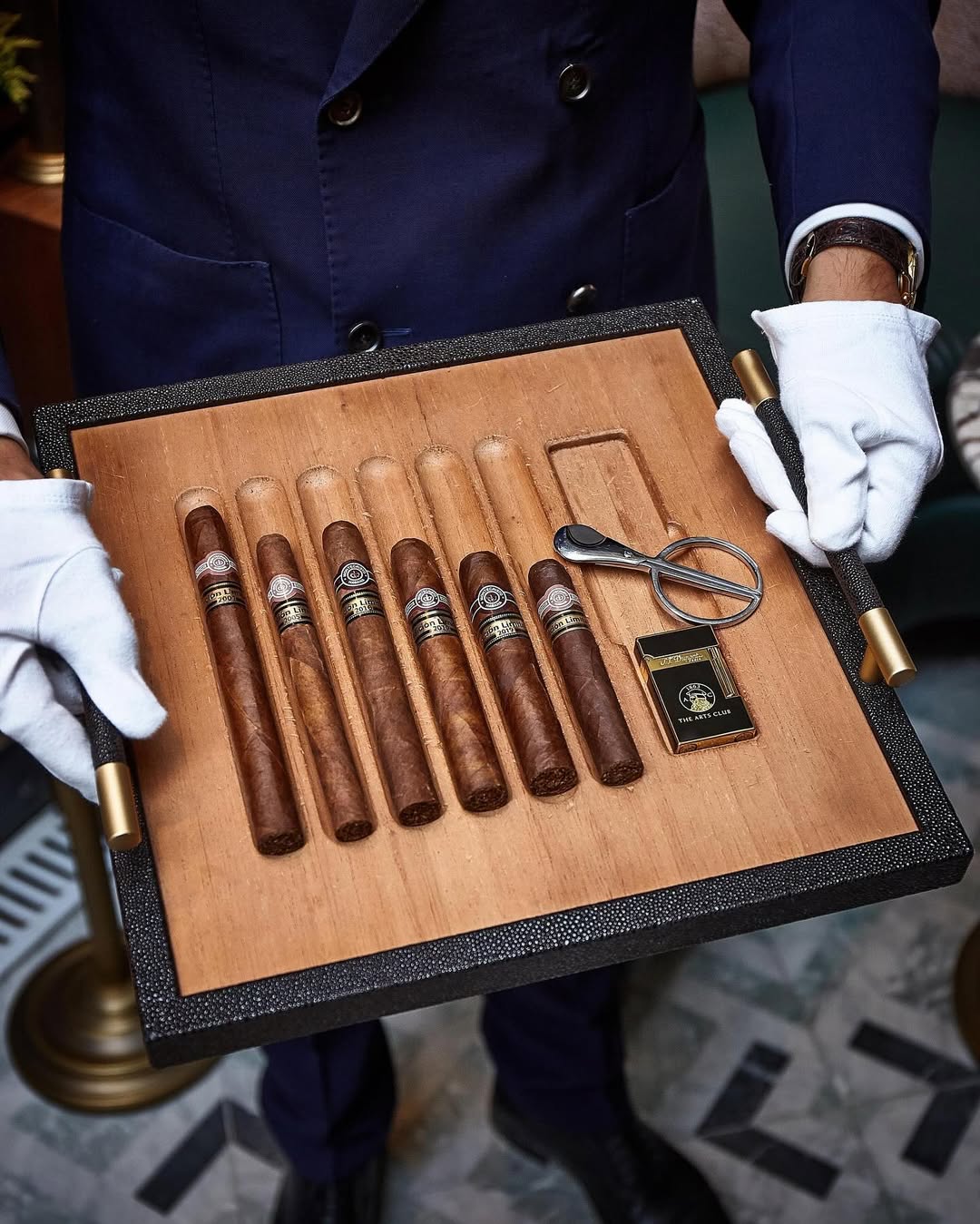
At Soho House, creative meetings blur into dinners, and social encounters double as professional currency. At The Arts Club, culture and capital coexist in carefully designed rooms, where art hangs quietly while deals unfold over drinks. Home House, with its faded grandeur, offers a different kind of intimacy – old-world privacy repurposed for modern social life.
These spaces are not just venues. They are filters.
Access determines atmosphere. Membership shapes behaviour. And increasingly, they function as cultural hubs – places where projects are discussed, collaborations are formed, and relevance circulates without ever needing public validation.
What has changed is not their existence, but their influence.
Where galleries, public talks, and open venues once anchored London’s creative life, much of that energy now migrates inward. Invite-only dinners during fashion week. Screenings that happen quietly. Launches that are not advertised. Culture unfolds in rooms defined by who knows whom – not who shows up first.
There is a sense of ease in these environments. No one is performing for strangers. No one is explaining themselves. The city feels smaller, softer, more legible.
But it also feels narrower.
As London becomes more expensive and more compressed, access itself becomes cultural capital. Belonging is not just about taste anymore – it is about proximity. Who you are connected to determines which version of the city you experience.
And while these spaces offer refuge from the city’s noise, they also raise a quiet question: what happens to a culture built on collision when fewer people are allowed inside the room?
During London Fashion Week, this shift becomes especially visible. Away from the show venues, some of the most meaningful exchanges happen at unpublicised dinners hosted in private townhouses or behind closed doors at the members’ clubs. Designers, editors, and creatives gather not for spectacle, but for continuity – conversations that carry over from season to season, relationships that outlasts trends.
These moments rarely circulate online. There are no official backdrops, no press calls, no urgency to document. Their value lies in their discretion. Fashion, here, is not about being seen – it is about being present.
And perhaps that is the quiet recalibration taking place across London culture. As the city grows louder and more fragmented, influence shifts toward spaces that offer insulation. Places where culture is not announced, but passed hand to hand.
Whether this inward turn sustains creativity or slowly narrows it remains open. What is certain is that London’s cultural life is no longer defined solely by what happens in public view. Increasingly, it is shaped in rooms where access matters – and silence, too, carries weight.