LIFESTYLE | 3 MIN READ
Why Everyone Is Romanticising Their Life Right Now
February 8, 2026 | 3:18 PM
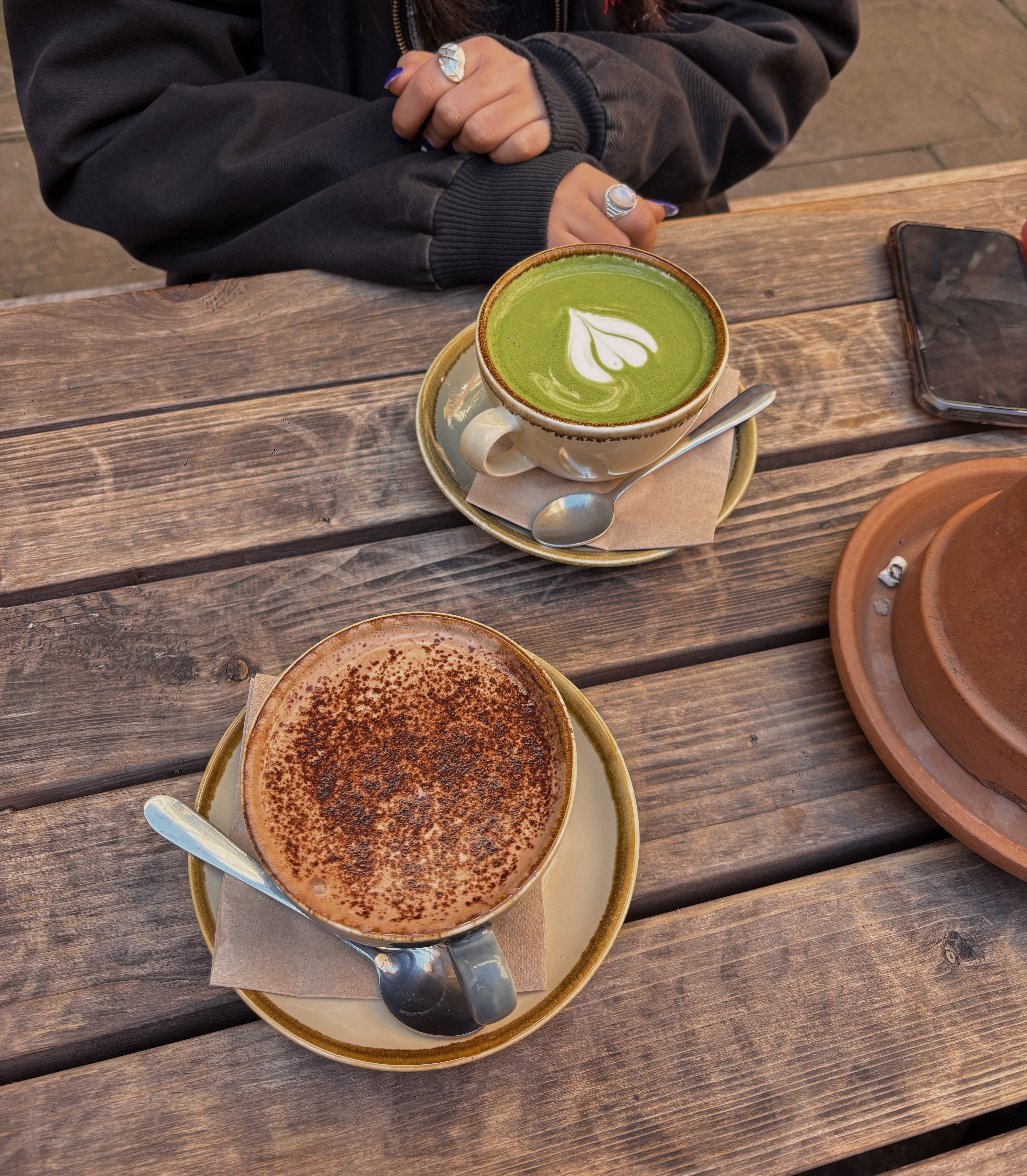
There is a noticeable shift in how people are living – or at least, how they are choosing to notice their lives. Morning routines are slowed down. Coffee is poured deliberately. Walks are framed as rituals rather than errands. Even solitude is aestheticised, treated with the same care once reserved for milestones.
This is not new, but it has intensified. What once felt like a niche way of moving through the world has become collective behaviour. People are romanticising their lives not through grand gestures, but through attention – choosing to see meaning in repetition, beauty in quiet, intention in the ordinary.
It is easy to dismiss this as performative or internet-driven, but that reading feels incomplete. The urge to romanticise daily life does not come from excess – it comes from depletion. In a world defined by speed, productivity, and constant visibility, slowing down and styling one’s own existence becomes a form of grounding.
Romanticising life is not about pretending things are better than they are. It is about making them feel lived-in. When days blur together, intention becomes a way to draw boundaries between moments. A morning coffee is not just caffeine; it is a pause. A walk is not just movement; it is a reclaiming of time.
There is also something quietly defiant about this shift. To treat your own life as worthy of care – even when it is mundane – is to push back against the idea that value only exists in achievement. The aesthetics matter less than the instinct behind them: a desire to feel present in one’s own life again.
This is where romanticising life stops being a trend and starts becoming a coping mechanism – or perhaps even a philosophy.
What rarely gets mentioned is that the soft life does not happen in a vacuum. It usually arrives after friction – after a season where everything was loud, urgent, and constantly demanding proof. Softness, then, becomes a response. Not a withdrawal, but a recalibration.
There is intention in choosing less noise.
The quiet life is not empty; it is edited. Commitments become fewer, but clearer. Days are structured with more space – not because nothing is happening, but because not everything needs to happen at once. The value system shifts subtly: productivity is no longer measured by output alone, but by sustainability.
This version of living does not reject ambition. It just refuses the kind that requires self-erasure.
And that is where the misunderstanding lies. The soft life is not passive. It is selective. It asks harder questions: What actually matters? What deserves energy? What does not need a response?
In a culture that rewards urgency, choosing calm becomes quietly radical.
There is no manifesto attached to it. No dramatic declaration. Most of the time, it is invisible – lived in the background of ordinary days. Early nights without explanation. Boundaries that do not come with apologies. A slower pace that does not feel the need to justify itself.
Eventually, softness stops being a phase and starts being a standard.
Not because life became easier – but because you learned how to hold it differently.