FASHION | 2 MIN READ
Threads of Time: Exploring Indian Fashion Craft
February 4, 2026 | 12:44 AM
Indian fashion is built on threads of history. Each region, from Varanasi to Kutch, produces textiles that carry centuries of technique, identity, and ritual. Banarasi silk from Uttar Pradesh glimmers with gold and silver zari, its motifs telling stories of palace life and devotion. Kanjeevaram silk from Tamil Nadu balances structural drape with bold colours, while Kantha embroidery in West Bengal transforms humble cotton into narrative-rich layers of art.
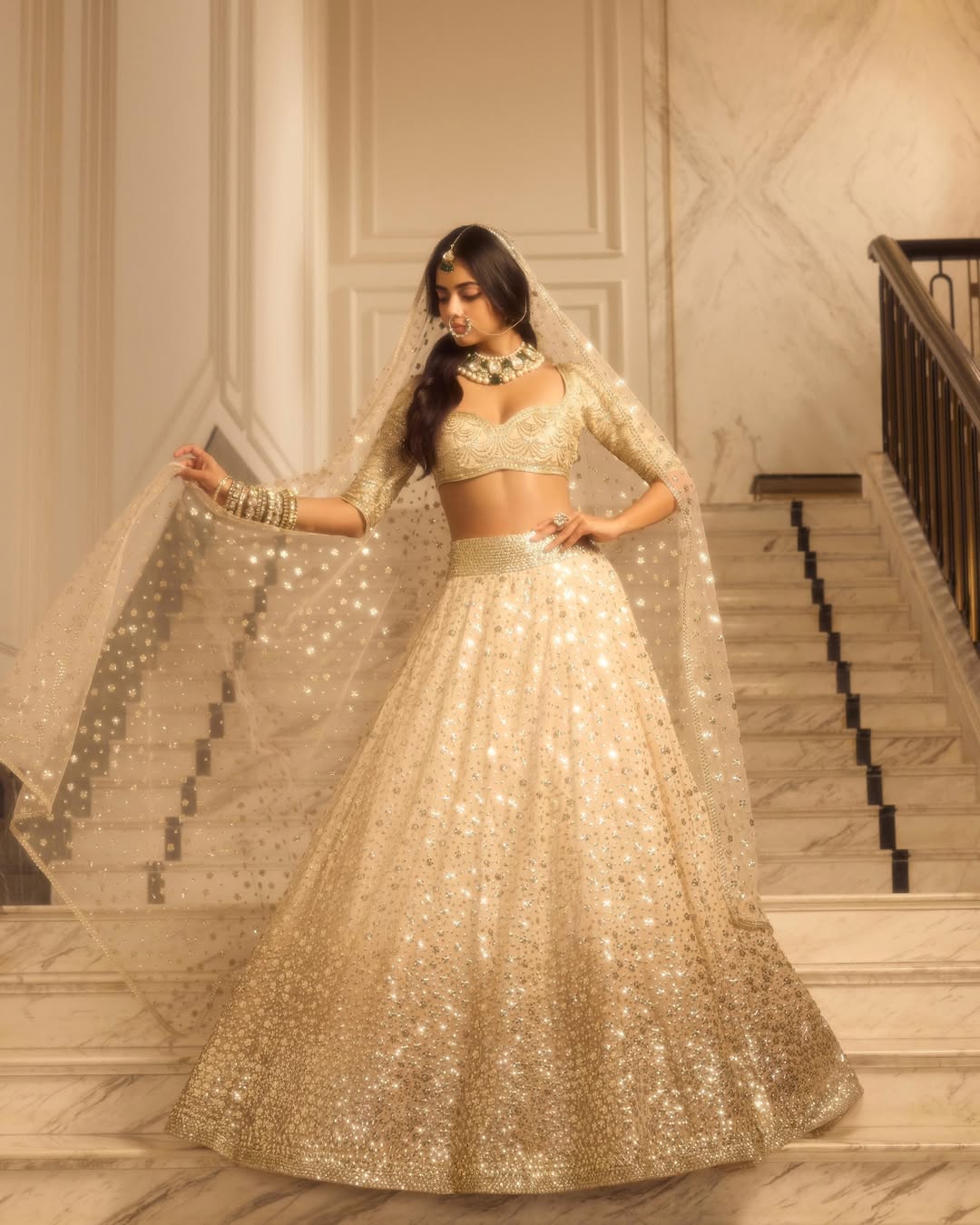
Contemporary designers reinterpret these crafts without erasing their lineage. Sabyasachi Mukherjee and Manish Malhotra elevate traditional embroideries and handloom weaves into global couture, preserving the meticulous handwork of Indian artisans while creating gowns and lehengas that resonate on red carpets worldwide. Manish Arora fuses traditional motifs with pop culture and psychedelic color, turning craft into bold statements that feel both Indian and unapologetically global.
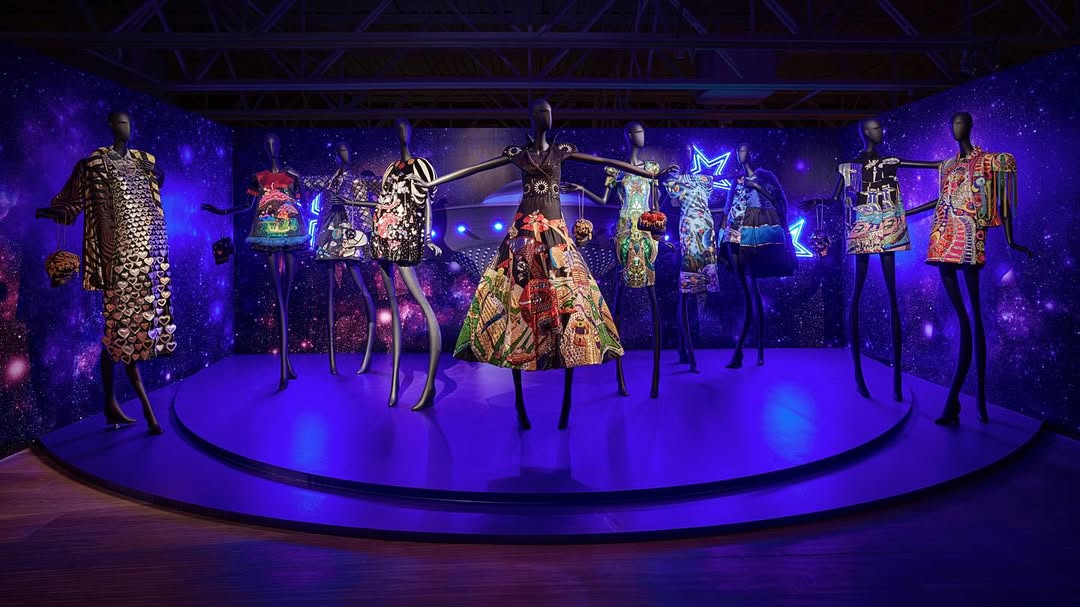
Meanwhile, designers like Anita Dongre engage directly with rural craft communities, ensuring that heritage techniques such as gotta patti, chikankari, and block printing are not just preserved but made relevant for contemporary fashion. Their work demonstrates that Indian craft is not static; it is a living practice, evolving with design sensibilities while honoring the hands that produce it.
Indian fashion craft is defined by patience, precision, and storytelling. Each stitch, each weave, and each motif carries intention. It does not rely on mass production or fleeting trends — it thrives in lineage, labor, and innovation.
Indian fashion craft does not compromise. It does not yield to fleeting trends or global shortcuts. From the shimmering Banarasi silks to the intricate Kantha embroideries, from Sabyasachi’s couture to Manish Arora’s audacious prints and Anita Dongre’s celebration of rural artisans, every piece asserts its lineage and purpose.
It is centuries of technique translated into modernity without losing its soul. Indian craft does not whisper; it speaks boldly through colour, texture, and form, reminding the world that heritage is power, and tradition is a platform for reinvention. In every stitch, India declares itself — unapologetically, beautifully, and endlessly influential.