FASHION | 2 MIN READ
From Couture to Street: Latin American Fashion Through the Years
February 4, 2026 | 4:02 AM
Latin American fashion begins with elegance and legacy. Carolina Herrera in Venezuela and Oscar de la Renta in the Dominican Republic defined an era of couture that balanced sophistication with drama. Herrera’s crisp tailoring and fluid gowns created a language of timeless elegance, while de la Renta’s vibrant patterns and luxurious silhouettes brought Caribbean sensibility to the world stage. These designers laid the groundwork, proving that Latin America could produce fashion that was both refined and unmistakably rooted in its origins.
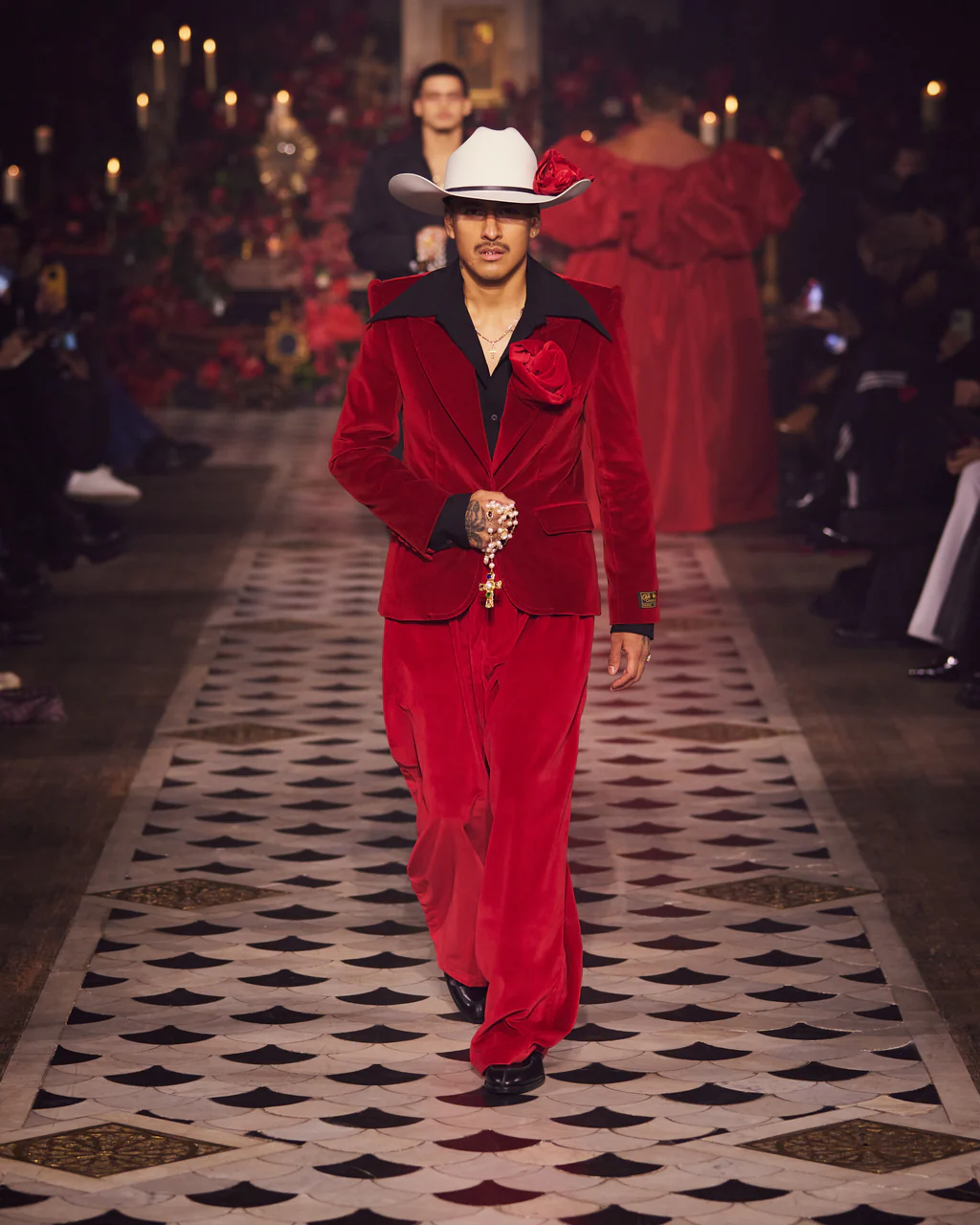
Decades later, the conversation evolved. Designers like Willy Chavarria in the United States reinterpret Latin American sensibilities for streetwear and activism, blending utility, bold messaging, and social commentary. His collections are unapologetically political while remaining wearable, bridging culture, identity, and craft in contemporary contexts.
In Brazil, Alexandre Herchcovitch has continuously explored contradiction: gender fluidity, architectural silhouettes, and cultural references collide in his work. His craft is meticulous, yet it never sacrifices energy or playfulness, demonstrating that Brazilian fashion can be both experimental and globally resonant.
In Mexico, Carla Fernández works directly with indigenous artisans, transforming traditional weaving and embroidery into pieces that belong in couture contexts. Her approach honors craft and community, showing that contemporary Latin fashion can engage heritage without commodifying it.
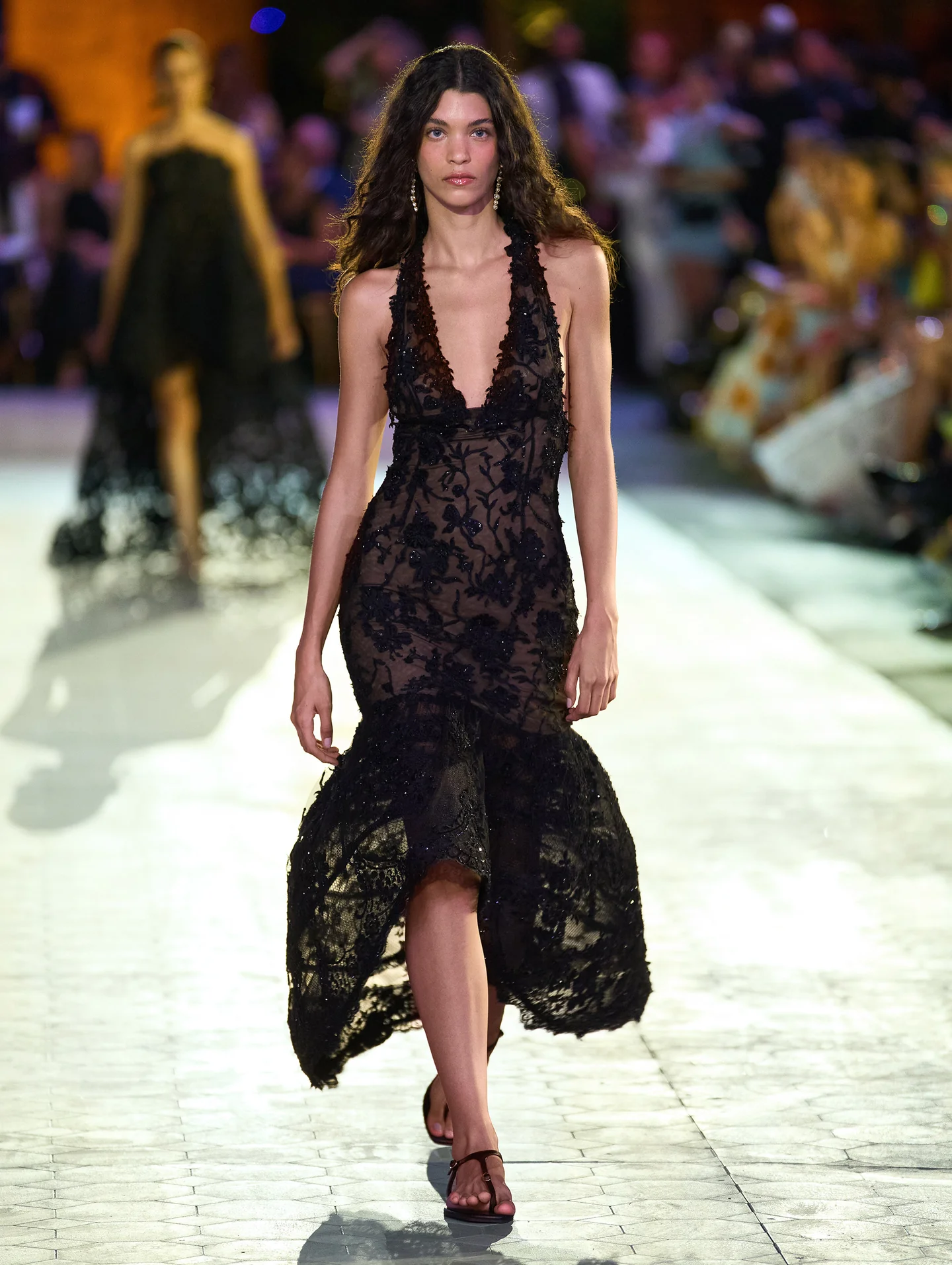
Silvia Tcherassi in Colombia combines Caribbean vibrancy with luxury tailoring. Her pieces balance sensuality, color, and structure, highlighting a signature Latin American confidence that is both modern and rooted in regional identity.
Together, these designers and many more demonstrate that Latin American fashion is not monolithic. It moves between couture and streetwear, tradition and innovation, elegance and audacity. The region’s craft, cultural memory, and relentless creativity have shaped a fashion narrative that is deeply local yet globally influential — a language spoken in color, texture, and silhouette.
Latin American fashion does not ask for permission. It does not soften to meet global expectations. From Herrera’s gowns to Chavarria’s streetwear, from Herchcovitch’s playful structures to Fernández’s woven legacies and Tcherassi’s vibrant tailoring, the region asserts itself through craft, color, and conviction.
It is bold without apology, rooted without restraint, and constantly evolving without losing its voice. Latin American designers do not wait for recognition; they define the narrative, shape the global conversation, and remind the world that fashion is not just what you wear — it is who you are, where you come from, and how you move forward.